

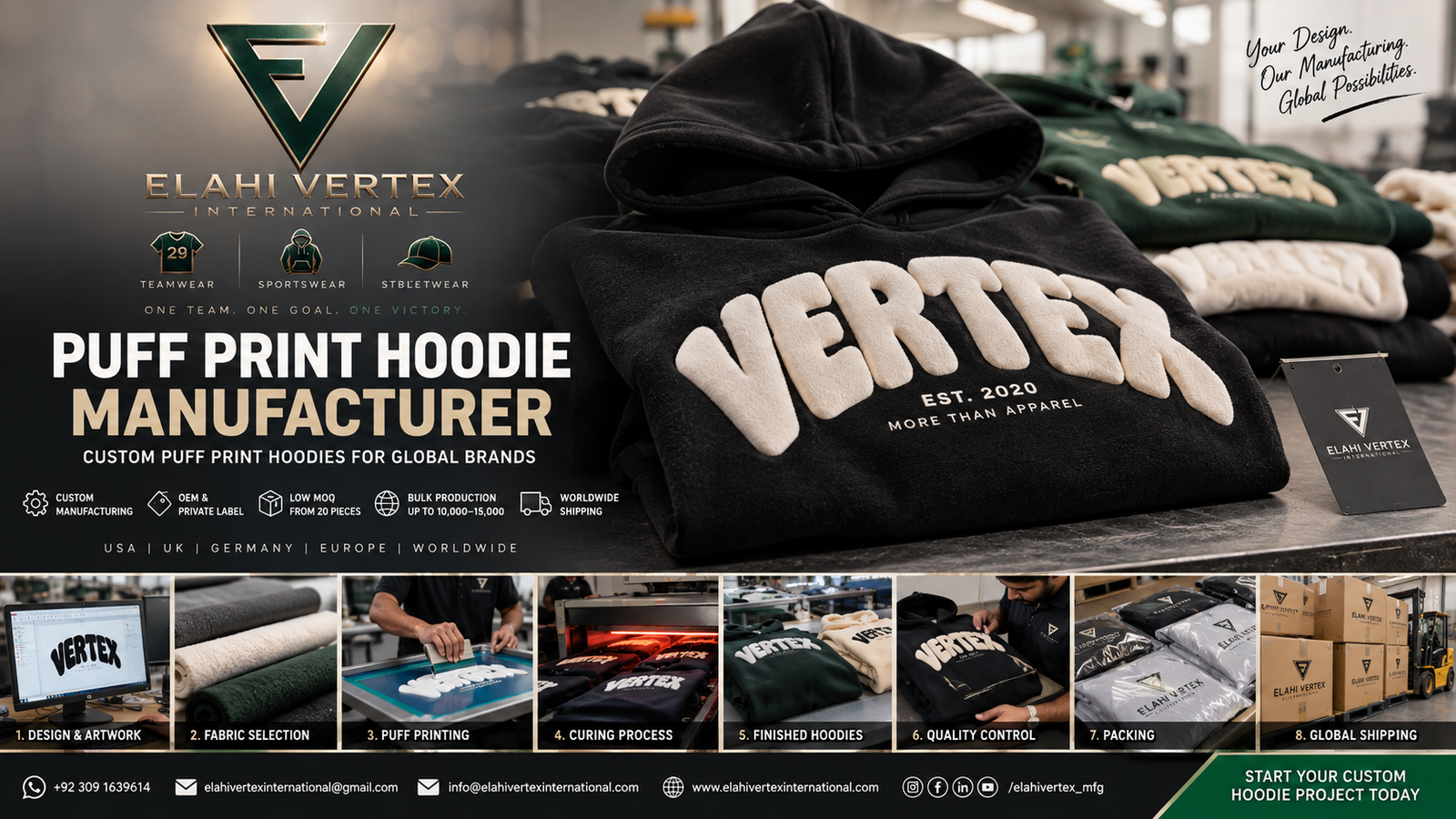
Finding a puff print hoodie manufacturer is easy.
Finding one that can reproduce the same raised texture, clean artwork, controlled expansion, correct placement and acceptable wash durability from an approved sample into bulk production is much harder.
That difference matters.
A puff print can look impressive when a hoodie first comes off the printing table and still become a commercial problem later. Fine artwork can close up when the ink expands. An incorrect ink deposit can produce weak or inconsistent height. Excessive or unsuitable heat can affect the raised structure. A garment wash can change a decoration that looked perfect before finishing. And a beautiful sample means very little if the manufacturer cannot reproduce its appearance consistently through the bulk order.
For streetwear founders and apparel buyers in the United States, United Kingdom, Germany and wider European market, selecting a puff print hoodie manufacturer therefore should not begin with one question:
“How much per hoodie?”
It should begin with another:
“Can this manufacturer control the complete garment, decoration and bulk-production process well enough to reproduce the product I approve?”
That is the question this guide answers.
Elahi Vertex International is a custom clothing manufacturer and global apparel exporter based in Sialkot, Pakistan. We work on made-to-order apparel for startups, established brands, wholesalers, retailers and private-label businesses. Buyers can explore our broader custom clothing manufacturing services and manufacturing process before discussing a specific project.
For startup projects, our standard MOQ is 20 pieces per product/category.
For established buyers, Elahi Vertex International is also built for bulk production. Larger programs, including requirements in the 10,000–15,000-piece range, can be evaluated according to the exact garment, materials, decoration complexity, production allocation and delivery requirements. Large-volume capability should always be confirmed against the actual project rather than treated as an unconditional promise.
Our international focus includes the USA, UK, Germany and wider Europe, while manufacturing inquiries from other suitable B2B markets worldwide can also be evaluated.
This guide goes far beyond explaining what puff printing is.
It explains:
- how puff printing actually affects artwork;
- why print height should be controlled rather than maximized;
- how hoodie fabric influences the result;
- why heavyweight fabric alone does not guarantee premium quality;
- what can go wrong during curing;
- how garment washing can interact with puff decoration;
- why sample approval must include physical texture;
- how startups should develop their first custom puff print hoodie;
- how established brands should prepare larger bulk programs;
- how buyers should create a better RFQ;
- what US, UK, German and European brands should consider;
- how to compare manufacturers;
- how to reduce sample-to-bulk variation;
- what should be inspected before shipment;
- and which questions should be answered before committing serious inventory capital.
If you are currently comparing a puff print hoodie manufacturer, save this guide before requesting quotations.
A cheap quotation can be replaced.
Thousands of incorrectly manufactured hoodies cannot be fixed so easily.
Quick Answer: What Should You Look for in a Puff Print Hoodie Manufacturer?
A capable puff print hoodie manufacturer should be able to manufacture the hoodie itself and control the decoration process around the approved product specification.
At minimum, a buyer should evaluate:
- hoodie fabric and GSM;
- fibre composition;
- fit and measurement specification;
- artwork suitability;
- puff-print dimensions;
- print placement;
- ink deposit;
- expansion characteristics;
- curing control;
- colour;
- garment-finishing sequence;
- physical sample quality;
- wash behaviour;
- bulk-production consistency;
- private-label requirements;
- packaging;
- quality-control method;
- shipping requirements;
- destination-market requirements;
- reorder capability.
For a startup, low MOQ can reduce inventory risk.
For an established brand, the larger question is whether the supplier can preserve the approved result while scaling.
That is why Elahi Vertex International approaches custom apparel as a manufacturing project rather than simply selling stock garments. Our OEM clothing manufacturing route is relevant to brands already working with their own designs and specifications, while our private-label manufacturing service is relevant where branding, labels and customized product presentation form part of the program.
What Is Puff Printing on a Hoodie?
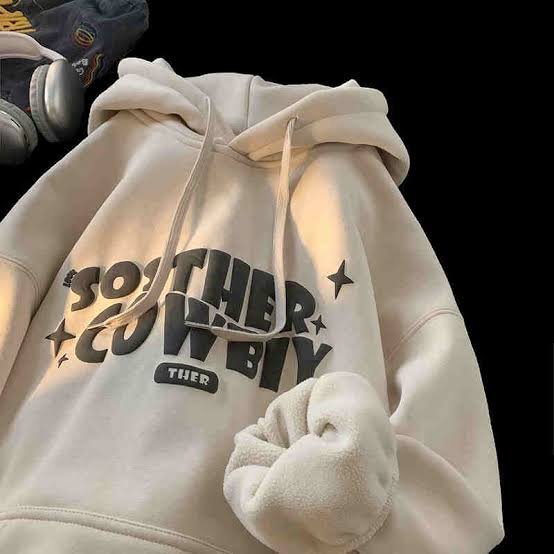
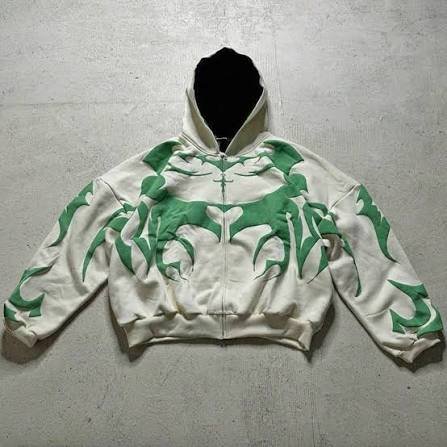
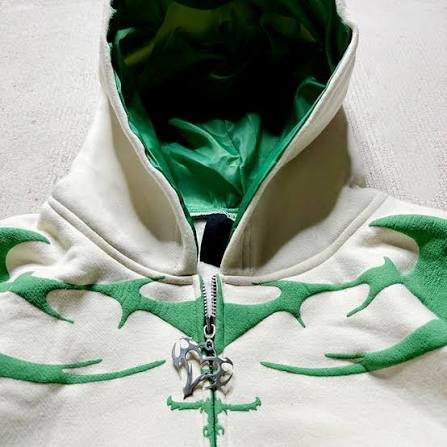
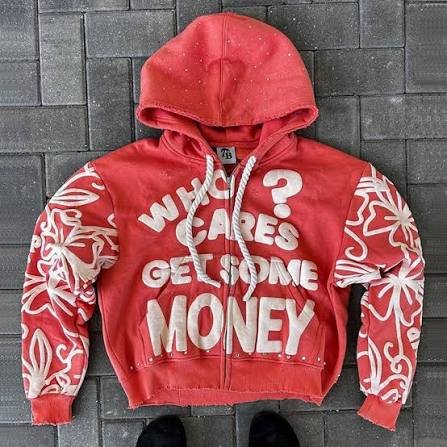
Puff printing is a dimensional screen-print decoration that produces a raised surface when an appropriate puff ink system is processed under its required conditions.
Instead of remaining relatively flat against the garment, the printed area expands.
That expansion can create:
- raised typography;
- dimensional logos;
- 3D symbols;
- tactile chest graphics;
- oversized back graphics;
- sleeve branding;
- tonal artwork;
- multi-location decoration;
- vintage-inspired streetwear graphics;
- minimalist premium branding.
This makes puff printing hoodies attractive to streetwear brands because texture becomes part of the design.
A black logo printed flat on a black hoodie may be difficult to notice.
A carefully executed tonal black puff print can remain understated while becoming visible through height, shadow and texture.
Likewise, a simple wordmark can feel more substantial when converted from an ordinary flat graphic into a controlled raised print.
But that additional dimension creates additional manufacturing variables.
That is the part buyers often underestimate.
Puff Print Is Not Simply “Normal Screen Printing but Thicker”
The appearance is different because the production behaviour is different.
A conventional graphic is primarily judged through factors such as:
- colour;
- opacity;
- edge definition;
- registration;
- placement;
- coverage;
- durability.
A 3D puff print hoodie introduces another group of questions:
- How much should the print expand?
- Does expansion alter the artwork?
- Are the lines thick enough?
- Are negative spaces large enough?
- Is the surface uniformly raised?
- Does the print retain enough definition?
- Does the chosen fabric support the intended appearance?
- Is the raised layer properly processed?
- Does it survive the required washing evaluation?
- Can the same texture be reproduced across bulk production?
This is why searching only for the lowest-priced puff print hoodie manufacturer is a poor sourcing strategy.
You are not buying an effect in isolation.
You are buying a complete garment whose decoration needs to remain commercially acceptable.
Why Puff Print Hoodies Matter in Modern Streetwear
Streetwear has increasingly moved beyond graphics that communicate only through colour.
Texture itself can communicate quality and design intent.
Brands use combinations such as:
- heavyweight fleece + puff print;
- oversized fit + puff typography;
- washed hoodie + raised logo;
- tonal puff print + minimal branding;
- puff print + embroidery;
- distressed garment + dimensional graphic;
- cropped hoodie + puff branding;
- matching hoodie/jogger sets with coordinated raised graphics.
This does not mean every hoodie should use puff print.
That would turn a distinctive decoration into a gimmick.
The strongest application is where the raised surface improves the design.
For example, a minimalist brand may use a small tonal chest mark.
A graphic-heavy streetwear label may use a large dimensional back composition.
A matching tracksuit may use a controlled puff wordmark across both pieces.
A startup may build its first hero product around one memorable raised graphic.
The right question is therefore not:
“Is puff print fashionable?”
The better question is:
“Does puff printing strengthen this particular garment and brand concept?”
The Commercial Difference Between a Printer and a Puff Print Hoodie Manufacturer
A printing shop can decorate garments.
A puff print hoodie manufacturer should be able to think about the complete hoodie.
That distinction matters for private-label production.
Consider a brand that wants:
- 420 GSM cotton-rich fleece;
- oversized shoulders;
- wide body;
- slightly cropped length;
- double-layer hood;
- custom rib;
- kangaroo pocket;
- vintage black finish;
- large cream puff back graphic;
- small chest puff logo;
- woven neck label;
- custom care label;
- hangtag;
- branded packaging.
The puff print is only one component.
The buyer also needs control over:
Pattern → fabric → colour → cutting → sewing → finishing → decoration → labels → inspection → packaging.
If the garment itself is wrong, excellent puff printing cannot save it.
If the hoodie is excellent but the decoration is inconsistent, the product is still wrong.
This is why Elahi Vertex International positions its service around complete custom manufacturing rather than decoration alone. Our current custom clothing manufacturing page explains the broader route from product requirements through sampling, bulk production, inspection, packaging and international shipment.
Puff Print Hoodie Manufacturer vs Blank Hoodie Printer
These sourcing models solve different problems.
| Requirement | Blank Garment Printer | Custom Puff Print Hoodie Manufacturer |
|---|---|---|
| Existing blank hoodie | Usually yes | Not required |
| Custom fabric | Usually limited | Can be specified |
| Custom GSM | Usually limited | Can be developed/selected |
| Custom fit | Usually no | Yes, subject to project |
| Custom pattern | Usually no | Can be part of development |
| Puff print | May be available | Can be integrated |
| Custom labels | Limited/variable | Private-label options |
| Custom washing | Limited | Project dependent |
| Custom packaging | Limited | Can be specified |
| Startup manufacturing | Depends | Available subject to MOQ |
| Bulk manufacturing | Depends | Core B2B requirement |
| Product development | Limited | Part of custom manufacturing |
Neither model is universally superior.
If you need 12 stock hoodies printed for an event, a local blank-garment printer may be more sensible.
If you are developing a streetwear product whose fabric, fit, decoration and branding all matter, you are solving a manufacturing problem.
That is where a puff print hoodie manufacturer becomes commercially relevant.
The 9 Costly Puff Print Hoodie Manufacturing Mistakes
Now we reach the part that protects your money.
The nine mistakes are:
- Designing artwork without accounting for expansion.
- Treating puff formulation as guesswork.
- Using the wrong screen, stencil or ink deposit.
- Ignoring fabric and garment-surface compatibility.
- Getting curing wrong.
- Ignoring underbase, colour and multi-layer interaction.
- Getting garment washing and decoration sequence wrong.
- Approving appearance without wash and durability evaluation.
- Failing to lock the approved sample before bulk production.
Each mistake can create a different commercial failure.
Some ruin the appearance immediately.
Some only become obvious after washing.
Some appear when production moves from one sample to hundreds or thousands of pieces.
And some do not technically “ruin” the garment—but make it noticeably cheaper-looking than the buyer intended.
Let’s examine them properly.
Mistake #1: Designing Artwork Without Accounting for Puff Expansion
One of the most expensive mistakes happens before production begins.
The artwork was designed for a flat screen.
Nobody reconsidered it for a dimensional print.
The buyer sends the file to the puff print hoodie manufacturer and says:
“Same artwork. Make it puff.”
That sounds straightforward.
It isn’t always.
Expansion Changes the Visual Geometry
Puff printing deliberately creates volume.
As printed elements expand, the perceived relationship between lines, gaps and negative space can change.
That means extremely fine details that look clean on a monitor may not produce the same visual result after expansion.
Potential problems include:
- small counters in letters becoming visually restricted;
- narrow gaps appearing smaller;
- fine lines losing definition;
- tightly packed typography becoming crowded;
- sharp details becoming softer;
- tiny decorative elements becoming less readable;
- neighbouring raised areas visually merging;
- excessive expansion making sophisticated artwork look crude.
A good puff print hoodie manufacturer should therefore evaluate the artwork as a manufacturing file, not merely accept it as an image.
Vector Artwork Is Stronger Than a Screenshot
Whenever possible, provide production-ready vector artwork.
Common professional formats include:
- AI;
- EPS;
- PDF;
- SVG, where compatible with the production workflow.
A low-resolution screenshot from Instagram is not the same thing as artwork.
Neither is a compressed WhatsApp image.
The clearer the original file, the easier it is to assess:
- edges;
- dimensions;
- line thickness;
- spacing;
- colour separation;
- placement.
For custom puff print hoodies, artwork preparation is part of quality control.
Specify Physical Dimensions
Never approve artwork only because it “looks about right” on a digital mockup.
Specify physical dimensions.
For example:
Back artwork: 310 mm wide × proportional height.
Chest logo: 80 mm wide.
Sleeve mark: 55 mm wide.
Then specify placement.
For example:
Back artwork: centred horizontally, top edge positioned a confirmed distance below the hood seam.
The exact placement should be agreed on the actual pattern/sample because hoodie dimensions vary.
An oversized hoodie and a regular-fit hoodie do not provide the same visual canvas.
Oversized Hoodies Need Different Artwork Thinking
Imagine placing a 250 mm graphic on:
- a regular 55 cm chest-width hoodie;
- a 70 cm wide oversized hoodie.
The same graphic can feel completely different.
The oversized body may make it look unexpectedly small.
The opposite can happen when artwork developed for a broad oversized back is copied onto a smaller size without thoughtful grading or placement.
Therefore, puff print hoodie manufacturing should connect artwork decisions to garment measurements.
Should Puff Artwork Be Graded Across Sizes?
Not automatically.
There are two common strategies.
Fixed artwork dimensions
The same print size is used across several garment sizes.
Advantages:
- consistent brand appearance;
- simpler production;
- easier screen management.
Potential downside:
- the artwork occupies different proportions of XXS and 3XL garments.
Size-dependent artwork
Different artwork sizes are used for different garment-size groups.
Advantages:
- proportional appearance can be maintained.
Potential downsides:
- additional screens/setup;
- more production complexity;
- greater chance of mix-ups.
Neither is universally correct.
The buyer and puff print hoodie manufacturer should decide based on the design.
The Buyer Should Approve Texture, Not Only Artwork
A digital file can confirm:
- design;
- spelling;
- proportions;
- nominal dimensions.
It cannot fully confirm:
- physical height;
- hand feel;
- surface;
- expansion;
- actual edge character.
That requires a physical result.
For this reason, the final physical sample matters enormously when developing a 3D puff print hoodie.
Mistake #2: Treating Puff Ink Formulation Like a Guessing Game
A buyer usually does not need to become an ink chemist.
But the buyer should understand one important principle:
More expansion is not automatically better.
A common amateur assumption is that the highest possible puff is the highest possible quality.
That is wrong.
The target should be:
controlled expansion that produces the intended design while maintaining acceptable definition and durability.
A minimalist premium logo may require restrained height.
A bold bubble-letter graphic may intentionally use stronger dimensionality.
The manufacturing target depends on the product.
Why the Exact Ink System Matters
Different commercially available puff systems can have different technical requirements.
That is why internet advice such as:
“Always cure puff at exactly X temperature”
should be treated carefully.
The manufacturer’s ink system and technical data should guide production.
A competent puff print hoodie manufacturer should validate the specific combination rather than treating one online number as universal.
The same principle applies to:
- additive ratios;
- ink deposit;
- mesh;
- print passes;
- flash conditions;
- curing.
A process that works for one ink system should not automatically be copied to another.
The Bulk Formula Must Be Repeatable
A sample can sometimes be produced by an experienced printer making small adjustments by eye.
Bulk manufacturing demands more discipline.
When a result is approved, relevant production information should be controlled so the same target can be repeated.
That can include:
- ink system;
- colour formula;
- additive system;
- mixing procedure;
- screen setup;
- print passes;
- flashing;
- curing;
- approved physical appearance.
This becomes particularly important when moving from:
1 sample → 20 pieces → 500 pieces → 5,000 pieces → 10,000+ pieces.
At higher volumes, uncontrolled improvisation becomes expensive.
Mistake #3: Using the Wrong Screen, Stencil or Ink Deposit
Puff printing requires an appropriate ink film.
That makes the printing setup important.
The final dimensional effect is influenced by more than the chemical formulation alone.
Relevant variables can include:
- mesh;
- stencil;
- ink deposit;
- squeegee;
- pressure;
- angle;
- print passes;
- off-contact;
- flashing;
- substrate.
The buyer does not need to dictate every parameter.
But a serious puff print hoodie manufacturer should understand them.
Weak Ink Deposit Can Produce Weak Texture
If insufficient material is deposited, the final expansion may lack the visual substance expected from the approved design.
Possible symptoms include:
- low height;
- uneven texture;
- weak opacity;
- patchiness;
- inconsistent appearance.
Adding more heat is not necessarily the solution.
The root problem may have occurred earlier in the print process.
Excess Is Not the Goal Either
The opposite mistake is believing that a huge ink deposit automatically creates premium quality.
Excessive dimensionality can reduce definition or create a bulky result that does not suit the artwork.
A luxury-looking tonal chest mark may require a very different target from an intentionally exaggerated back graphic.
Again:
Product intent → process target.
Not:
Maximum puff → maximum quality.
Mistake #4: Ignoring Fabric and Garment Surface Compatibility
A print does not exist in isolation.
It sits on fabric.
Therefore, fabric selection is part of puff-print development.
When sourcing custom puff print hoodies, buyers commonly focus on GSM.
That matters—but it is incomplete.
Two fabrics can both be labelled 400 GSM and behave differently because GSM measures mass per unit area, not the entire construction.
Other variables include:
- fibre composition;
- yarn;
- knit;
- density;
- brushing;
- finishing;
- surface texture;
- stretch;
- recovery;
- shrinkage;
- softness;
- drape.
That is why Elahi Vertex International asks buyers to consider both fabric type and GSM in its current private-label inquiry workflow rather than treating GSM as the entire specification.
300 GSM vs 400 GSM vs 500 GSM for Puff Print Hoodies
There is no universal winner.
Around 300 GSM
Can suit:
- transitional weather;
- lighter streetwear;
- layering;
- less bulky products.
Around 400 GSM
Can suit:
- structured streetwear;
- premium-feel hoodies;
- autumn/winter collections;
- oversized silhouettes.
Around 500 GSM
Can suit:
- intentionally substantial garments;
- cold-weather positioning;
- high-structure streetwear.
But these descriptions are general guidance.
A poor-quality 500 GSM fabric does not automatically beat a well-developed 380 GSM fabric.
Likewise, heavier is not always better for the customer or climate.
Mistake #5: Getting Puff Print Curing Wrong
Curing is one of the most important stages in puff print hoodie manufacturing because heat is involved in developing the dimensional effect while the ink system still needs to reach its required processing condition.
This is also an area where oversimplified online advice can create problems.
There is no responsible universal cure number that should be copied into every production specification regardless of ink system.
Follow the technical requirements of the actual system being used.
Then test.
Why Too Much Heat Can Be a Problem
With some puff systems, excessive heat exposure can negatively affect the raised structure.
That means the logic:
“More heat means safer curing”
does not hold.
The goal is controlled processing.
Relevant variables can include:
- actual ink temperature;
- dryer temperature;
- dwell time;
- ink-film thickness;
- garment fabric;
- underbase;
- conveyor speed.
The puff print hoodie manufacturer needs to establish the process window for the real garment.
Mistake #6: Ignoring Underbase, Colour and Multi-Layer Interaction
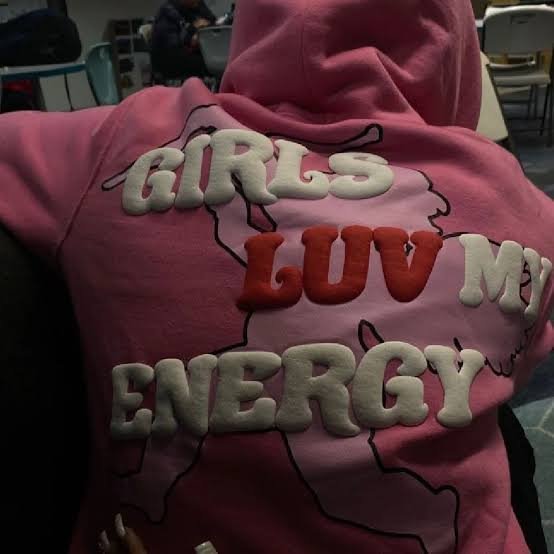
A white puff graphic on black fleece can have different requirements from a tonal black puff print on black cotton.
Likewise, printing puff over another ink layer can behave differently from printing directly onto the garment.
Therefore, the complete print stack needs testing.
Buyers should evaluate:
- opacity;
- colour;
- texture;
- edge definition;
- height;
- interaction with the base layer.
This is especially important for multi-colour puff printing hoodies.
Mistake #7: Getting Garment Washing and Puff Decoration in the Wrong Sequence
This becomes critical when a streetwear design combines puff printing with:
- acid wash;
- stone wash;
- pigment wash;
- vintage effects;
- distressing;
- enzyme treatment;
- other garment finishing.
The production sequence can affect the final product.
A print that looks perfect before aggressive garment finishing does not automatically prove that it will look identical afterward.
Therefore, the correct manufacturing sequence should be tested for the actual design.
Why This Matters for Acid-Wash Puff Print Hoodies
Acid-wash streetwear combines two visual effects:
- irregular/vintage garment colour;
- dimensional decoration.
That can create an excellent product.
It also creates more variables.
Buyers considering this combination should review the relevant Elahi Vertex International acid-wash hoodie manufacturing guidance alongside the puff-print specification and physically approve the combined result before scaling.
Do not assume two individually successful techniques automatically work perfectly together.
Test the combination.
Mistake #8: Approving the Hoodie Without Wash Testing
A fresh print can look excellent.
The customer will not keep the hoodie permanently unworn.
That is why wash evaluation matters.
A buyer developing custom puff print hoodies should inspect the decoration after an appropriate test protocol.
Depending on the project, look for:
- cracking;
- peeling;
- loss of height;
- edge deterioration;
- distortion;
- colour changes;
- garment shrinkage;
- puckering;
- loss of adhesion.
No responsible manufacturer should promise that a decorated garment will remain visually identical forever.
The practical objective is acceptable performance under the agreed product and care conditions.
Mistake #9: Approving a Great Sample but Failing to Control Bulk Production
This is arguably the most commercially dangerous mistake.
The sample is excellent.
The buyer gets excited.
The deposit is paid.
Then 2,000 hoodies arrive and the print looks different.
Why?
Because the sample was treated as a sales object rather than a production standard.
The approved sample should become a reference.
What Should Be Locked Before Bulk?
At minimum:
Garment
- pattern;
- fit;
- measurements;
- size grading;
- fabric;
- GSM;
- composition;
- colour;
- washing/finish;
- hood construction;
- pocket;
- rib;
- stitching.
Puff print
- artwork version;
- dimensions;
- location;
- colour;
- visual height;
- texture;
- print construction.
Branding
- main label;
- size label;
- composition/care label;
- hangtag;
- patches;
- packaging.
Commercial requirements
- quantity;
- size breakdown;
- colour breakdown;
- inspection;
- packing;
- destination;
- shipping arrangement.
A puff print hoodie manufacturer cannot reliably follow specifications that were never clearly defined.
From 20 Pieces to 15,000 Pieces: Two Very Different Buyer Problems
Elahi Vertex International works with both startup-oriented quantities and bulk requirements.
But the manufacturing logic changes with volume.
20-Piece Startup Order
Primary concerns:
- limiting inventory exposure;
- proving the design;
- establishing fit;
- testing customer response;
- developing brand presentation.
500-Piece Order
Primary concerns expand to:
- material consistency;
- size ratio;
- production planning;
- repeatability;
- quality inspection.
5,000-Piece Order
Now consider:
- batch management;
- fabric procurement;
- production allocation;
- print consistency;
- packaging;
- shipping;
- replenishment planning.
10,000–15,000-Piece Program
At this scale, the buyer should think in terms of a manufacturing system.
A large order may require:
- material reservation;
- procurement planning;
- production scheduling;
- batch controls;
- printing capacity;
- sewing allocation;
- QC checkpoints;
- packing control;
- logistics planning.
Elahi Vertex International can evaluate these larger requirements, but final capability and timing should be confirmed against the exact project.
That is more credible than telling every buyer that every 15,000-piece order can be produced under identical conditions.
Startup Puff Print Hoodie Manufacturing: The Smarter Route
A startup usually has one scarce resource:
cash.
Spending too much of it on unproven inventory can kill an otherwise promising brand.
That is why our standard 20-piece MOQ per product/category matters.
A startup can use the first production run to test:
- product;
- fit;
- price;
- photography;
- audience response;
- sell-through;
- customer feedback.
Then reorder.
The objective is not to keep a promising brand at 20 pieces forever.
The objective is to provide a realistic entry point from which a brand can scale.
A Better Startup Path
Idea
↓
Reference images / sketches / artwork
↓
Product specification
↓
Fabric + GSM decision
↓
Fit development
↓
Puff artwork engineering
↓
Sample
↓
Physical evaluation
↓
Revision if necessary
↓
Approval
↓
Initial bulk
↓
Customer feedback
↓
Reorder
↓
Scale
That is a healthier manufacturing journey than ordering 1,000 units simply because a supplier offers a lower unit price.
Private-Label Puff Print Hoodie Manufacturing
Private label should mean more than attaching a logo to an existing hoodie.
A serious private-label project can specify:
- fabric;
- GSM;
- composition;
- fit;
- pattern;
- colour;
- washing;
- hood;
- rib;
- pockets;
- zippers;
- drawcords;
- eyelets;
- puff artwork;
- embroidery;
- flat screen printing;
- patches;
- neck label;
- size label;
- care/composition label;
- hangtag;
- polybag;
- carton marking.
Elahi Vertex International’s private-label manufacturing service currently allows buyers to specify fabric, GSM, wash, fit, printing technique, labels, branding, size range and quantity.
That is the right mindset for a real puff print hoodie manufacturer project:
Build the garment as one coherent product.
USA: What American Streetwear Brands Should Prioritize
For US buyers, puff print can work across:
- Los Angeles streetwear;
- New York fashion/streetwear;
- skate-inspired apparel;
- gym/lifestyle brands;
- university-inspired collections;
- creator merchandise;
- e-commerce labels.
But there is no universal “American hoodie.”
A Miami buyer may want a different weight from a Chicago winter collection.
A Los Angeles streetwear label may prioritize oversized shape and wash treatment.
A national e-commerce brand may care heavily about consistent grading and repeat production.
US buyers should therefore send the puff print hoodie manufacturer the actual commercial brief.
United Kingdom: Heavyweight Streetwear, Texture and Layering
The UK is particularly relevant to this product category because heavyweight hoodies, oversized silhouettes, washed effects and dimensional branding are visible across contemporary streetwear.
For UK brands, consider:
- autumn/winter positioning;
- layering;
- GSM;
- body length;
- oversized proportions;
- hood structure;
- tonal decoration;
- packaging;
- delivered cost.
The mistake is assuming “premium” simply means adding GSM.
Premium product development requires balance.
Germany: Technical Product Clarity Matters
German buyers should approach a puff print hoodie manufacturer with a clear technical specification and an equally clear market-compliance plan.
For products sold to consumers in the EU, fibre-composition labelling is regulated. EU rules generally require textile products marketed to consumers to identify fibre composition clearly, and required information needs to be provided in the appropriate official language(s) of the markets where the goods are offered.
The buyer/importer should confirm the obligations applicable to the specific product and distribution model.
The manufacturer should receive the approved label information before production.
Do not leave this until the cartons are ready.
Wider Europe: Do Not Treat Europe as One Customer
Europe contains multiple distinct apparel markets.
Consider:
- Germany;
- France;
- Italy;
- Netherlands;
- Belgium;
- Spain;
- Sweden;
- Denmark;
- Austria;
- Poland;
- Ireland;
- other EU and non-EU European markets.
Climate differs.
Sizing expectations can differ.
Brand aesthetics differ.
Retail pricing differs.
Languages differ.
Commercial channels differ.
The job of the puff print hoodie manufacturer is not to guess what “Europe wants.”
The job is to manufacture the specification the buyer has validated for its customer.
EU Textile Labelling: A Practical Point Buyers Should Not Ignore
For textiles offered to consumers in the European Union, fibre-composition labelling is not merely a branding preference.
EU guidance states that textile products must generally carry information identifying their fibre composition. The label needs to be clear and appropriately attached, and language requirements apply according to the country where the product is made available.
Therefore, an EU buyer should finalize:
- verified fibre composition;
- required wording;
- applicable language(s);
- label layout;
- responsible business information where required by applicable rules.
Do this before bulk labels are produced.
50 Buyer Questions About Puff Print Hoodie Manufacturing
FAQ 1 — What is a puff print hoodie manufacturer?
A puff print hoodie manufacturer produces hoodies incorporating raised puff-print decoration as part of the garment’s manufacturing specification. For private-label production, the supplier may also handle fabric, cutting, sewing, branding, labels, finishing, packaging and bulk production.
FAQ 2 — What is puff printing?
Puff printing is a dimensional decoration method in which an appropriate ink system develops a raised surface under controlled processing conditions.
FAQ 3 — Why does puff print rise?
The dimensional effect comes from the behaviour of the puff ink/additive system under its required processing conditions.
FAQ 4 — Is puff print the same as high-density printing?
No. The visual results may both be dimensional, but buyers should not assume that all raised printing techniques use the same chemistry or process.
FAQ 5 — Is puff print good for streetwear?
It can be excellent when the texture supports the design. It is particularly useful for dimensional typography, logos and tonal graphics.
FAQ 6 — What is a 3D puff print hoodie?
A 3D puff print hoodie is a hoodie whose printed graphic has a deliberately raised, three-dimensional surface.
FAQ 7 — Can puff print be used on heavyweight hoodies?
Yes, subject to the actual fabric and print system being tested and approved.
FAQ 8 — What GSM is best for puff print hoodies?
There is no single best GSM. Fabric composition, structure, surface, intended season, fit and customer positioning all matter.
FAQ 9 — Is 400 GSM good for a puff print hoodie?
It can be suitable for heavyweight streetwear, but GSM alone does not determine quality.
FAQ 10 — Is 500 GSM better than 400 GSM?
Not automatically. Heavier fabric changes structure and weight but does not guarantee superior yarn, knitting, finishing, fit or decoration.
FAQ 11 — Can puff print work on oversized hoodies?
Yes. Artwork scale and placement should be evaluated against the oversized pattern.
FAQ 12 — Can puff print be used on cropped hoodies?
Yes, where the artwork and placement suit the shorter body proportions.
FAQ 13 — Can puff print be combined with embroidery?
Potentially yes. The complete decoration plan should be reviewed before sampling.
FAQ 14 — Can puff print be combined with screen printing?
Puff itself is commonly part of a screen-printing process, and projects may combine raised and flat printed areas where technically appropriate.
FAQ 15 — Can puff print be combined with acid wash?
Potentially, but the production sequence and actual garment/decoration combination should be tested.
FAQ 16 — Can puff print be used on stone-washed hoodies?
It may be possible, but the final manufacturing sequence should be validated rather than assumed.
FAQ 17 — Does puff print crack?
Poorly executed or aged decoration can show deterioration. Correct process control and testing are important, but no responsible manufacturer should promise that any decoration remains unchanged forever.
FAQ 18 — Is puff print washable?
Properly manufactured puff print is intended for wearable apparel, but the specific product should be evaluated under the intended care conditions.
FAQ 19 — Should I wash-test my puff print sample?
Yes. For commercial manufacturing, wash evaluation is a sensible step before large production.
FAQ 20 — Why can puff print collapse?
Heat/process conditions can affect puff structure. The actual ink manufacturer’s technical requirements should guide processing.
FAQ 21 — Is more puff height better?
No. The correct height is the height that suits the approved design while preserving acceptable definition and performance.
FAQ 22 — Can small text be puff printed?
Possibly, but extremely fine details and narrow negative spaces can become problematic after expansion. Artwork should be evaluated first.
FAQ 23 — Can large back graphics use puff print?
Yes, subject to artwork, fabric, print setup and sampling.
FAQ 24 — Should I use vector artwork?
Whenever possible, yes. Clean production artwork makes dimensions, separations and edge quality easier to control.
FAQ 25 — Can I send a PNG?
It may be useful as a reference, but production-ready vector artwork is preferable when available.
FAQ 26 — How do I specify puff-print placement?
Provide physical dimensions and location references, then approve placement on the actual sample.
FAQ 27 — Should the same artwork size be used from XS to 3XL?
Not necessarily. Some designs use a fixed size while others use grouped sizes. Decide according to the desired visual proportion.
FAQ 28 — What is Elahi Vertex International’s startup MOQ?
Our standard MOQ is 20 pieces per product/category.
FAQ 29 — Can a new clothing brand order only 20 hoodies?
A qualifying custom hoodie project can begin at the standard 20-piece MOQ per product/category, subject to the project’s technical requirements.
FAQ 30 — Can I order 50 puff print hoodies?
Yes, subject to final specifications and quotation.
FAQ 31 — Can I order 100 puff print hoodies?
Yes, subject to final specifications and commercial confirmation.
FAQ 32 — Can Elahi Vertex International manufacture 1,000 puff print hoodies?
Larger orders can be evaluated according to fabric, decoration, sizes, production schedule and delivery requirements.
FAQ 33 — Can Elahi Vertex International manufacture 10,000–15,000 pieces?
Large-volume programs in this range can be evaluated, but capacity allocation, specifications, materials and timeline should be confirmed for the specific order before commitment.
FAQ 34 — Do you manufacture for US clothing brands?
Elahi Vertex International accepts international B2B manufacturing inquiries, with the USA among its priority target markets.
FAQ 35 — Do you manufacture for UK streetwear brands?
Yes, UK brands can request custom streetwear and private-label manufacturing quotations based on their actual specifications.
FAQ 36 — Can German brands order from Elahi Vertex International?
Yes. German buyers can discuss custom apparel projects while ensuring their import and market-placement requirements are addressed.
FAQ 37 — Do you supply other European countries?
Elahi Vertex International works with worldwide B2B manufacturing requirements and targets wider Europe alongside Germany, the UK and USA.
FAQ 38 — Can you add private labels?
Private-label branding is part of Elahi Vertex International’s current manufacturing offering and can be discussed according to the project.
FAQ 39 — Can I customize the fabric?
Custom manufacturing can be based on specified materials and production requirements, subject to availability and project confirmation.
FAQ 40 — Can I choose the GSM?
Yes. GSM can form part of the product specification.
FAQ 41 — Can I customize the fit?
Yes, fit requirements can be specified for custom production.
FAQ 42 — Can I make an oversized puff print hoodie?
Yes, subject to development of the actual pattern, fabric and decoration specification.
FAQ 43 — Can I use my own size chart?
Yes. Provide it during the technical discussion so feasibility and measurements can be confirmed before production.
FAQ 44 — Do I need a tech pack?
A good tech pack makes communication stronger, but a buyer can begin with references, artwork and clear requirements while missing specifications are identified.
FAQ 45 — Should I sample before ordering 500 pieces?
For a newly developed product, physical sampling before a meaningful bulk commitment is strongly advisable.
FAQ 46 — Should the approved sample be kept?
Yes. The approved sample can act as an important physical reference for bulk production.
FAQ 47 — What should I send for a quotation?
Send product type, quantity, artwork, fabric/GSM direction, colours, fit, sizes, customization, branding, packaging and destination.
FAQ 48 — What affects puff print hoodie pricing?
Fabric, GSM, construction, quantity, artwork, number and size of print locations, other decoration, labels, finishing, packaging and delivery requirements can all influence cost.
FAQ 49 — What is the biggest mistake when comparing puff print hoodie manufacturers?
Comparing unit price before making sure every supplier is quoting the same specification.
FAQ 50 — How do I start with Elahi Vertex International?
Send your design, hoodie reference, artwork, fabric/GSM direction, fit, colours, quantity, size requirements, branding and destination through the Elahi Vertex International website or contact channels so the project can be evaluated properly.
Internal Resources for Buyers
For buyers moving from research into sourcing, continue through these Elahi Vertex International resources:
Custom Clothing Manufacturing
Use this when you need the complete garment developed rather than simply decorating blanks.
Manufacturing
Use this to understand the broader concept-to-production workflow.
OEM Clothing Manufacturing
Relevant when your brand already owns the design and specifications and needs manufacturing execution.
Private Label Manufacturing
Relevant for custom labels, branding, fabric/GSM decisions, fit, printing and production.
These pages should support this article rather than compete with it.
The commercial manufacturer pages should own the broader transactional intent.
This article should own the narrower technical question:
How can a buyer avoid costly puff print hoodie manufacturing failures?
Final Buyer Decision Framework
Before paying a puff print hoodie manufacturer, answer these ten questions.
1. What exactly are we manufacturing?
Not “a hoodie.”
Define the garment.
2. What fabric are we using?
Composition + structure + GSM + finish.
3. What fit are we approving?
Measurements, not adjectives alone.
4. Is the artwork engineered for puff?
Do not assume.
5. What physical puff result are we approving?
Texture matters.
6. Does the garment undergo washing or finishing?
If yes, validate the sequence.
7. Has the finished product been evaluated after washing?
Do not approve only the fresh print.
8. What sample becomes the bulk reference?
Identify it.
9. How will bulk be inspected?
Agree before production.
10. Are we ordering a commercially sensible quantity?
A startup should not manufacture thousands merely to chase a lower unit price.
An established brand should not accept a supplier incapable of scaling simply because the sample was attractive.
Start With 20 Pieces. Scale to Serious Bulk When the Market Justifies It.
The best puff print hoodie manufacturer relationship is not defined by the first purchase order.
It is defined by whether both businesses can keep working together as demand grows.
A startup may begin with 20 pieces per product/category.
A growing streetwear brand may need 100, 300 or 500.
An established wholesale or retail buyer may require thousands.
A larger program may reach 10,000–15,000 pieces.
The manufacturing controls become more important as volume rises—but the basic principle stays the same:
Define → sample → test → approve → manufacture → inspect → deliver → learn → reorder.
Elahi Vertex International works as an OEM, custom manufacturing and private-label partner from Sialkot, Pakistan, serving international B2B buyers.
Our priority markets include the USA, United Kingdom, Germany and wider Europe, while suitable worldwide manufacturing inquiries are welcome.
If your next collection requires:
- custom puff print hoodies;
- heavyweight hoodies;
- oversized hoodies;
- washed streetwear;
- private-label hoodies;
- matching joggers;
- sweatshirts;
- custom T-shirts;
- streetwear sets;
- other custom apparel;
send the actual product requirements.
Do not begin with:
“Best price?”
Begin with:
“Here is the product we need to manufacture.”
That conversation gives both buyer and manufacturer a much better chance of producing something worth reordering.
Elahi Vertex International
Custom Clothing Manufacturing | OEM | Private Label | Bulk Production
Sialkot, Pakistan
Worldwide B2B Manufacturing
Startup MOQ: 20 pieces per product/category
Website: Elahi Vertex International
WhatsApp: +92 309 1639614
Email: elahivertexinternational@gmail.com
Email: info@elahivertexinternational.com
20 Authoritative External Resources for Puff Print Hoodie Buyers
Brands sourcing custom puff print hoodies should not make manufacturing decisions from marketing claims alone. The following external resources can help buyers understand textile regulations, fabric specifications, testing, colour control, responsible sourcing and current streetwear product direction.
1. European Union Textile Labelling Requirements
Brands selling textile products in Germany and wider EU markets should understand applicable fibre-composition and labelling requirements.
External resource:
https://europa.eu/youreurope/business/product-rules-compliance/textiles-and-footwear/textile-label/index_en.htm
2. EU Regulation No. 1007/2011 on Textile Fibre Names and Labelling
This is an important primary regulatory reference for buyers researching textile fibre names, fibre-composition labelling and related requirements within the European Union.
External resource:
https://eur-lex.europa.eu/eli/reg/2011/1007/2018-02-15/eng
3. EUR-Lex Textile Regulation Summary
European buyers can use the EUR-Lex summary alongside the underlying regulation when researching textile composition and labelling obligations.
External resource:
https://eur-lex.europa.eu/legal-content/EN/LSU/?uri=CELEX%3A02011R1007-20180215
4. EU Textiles and Footwear Guidance
This European Union resource provides additional information for businesses researching rules affecting textiles and footwear in the European market.
External resource:
https://europa.eu/youreurope/business/product-rules-compliance/textiles-and-footwear/
5. EU Publications Office
The Publications Office of the European Union is another authoritative source buyers can use when researching European legislation and official publications relevant to textile products.
External resource:
https://op.europa.eu/
6. AS Colour Hoodie and Garment References
AS Colour provides useful commercial examples of different hoodie constructions, weights and apparel specifications. Buyers can use these references to understand why GSM should never be considered in isolation from fabric composition, construction and intended product positioning.
External resource:
https://www.ascolour.com/
7. AS Colour Fabric and GSM Examples
Comparing established garment specifications can help buyers understand the difference between lightweight, midweight and heavyweight apparel before discussing fabric requirements with a puff print hoodie manufacturer.
External resource:
https://www.ascolour.com/
8. Represent — Streetwear Product Inspiration
Represent is a useful independent market reference for contemporary heavyweight streetwear, oversized silhouettes and dimensional graphic applications.
Brands should study established products for market understanding rather than copying another company’s intellectual property.
Represent is referenced here independently for inspiration and market analysis. This does not imply any manufacturing relationship between Represent and Elahi Vertex International.
External resource:
https://representclo.com/
9. Corteiz — Independent Streetwear Market Reference
Corteiz provides another useful example of modern graphic-led streetwear and the commercial use of distinctive branding and dimensional decoration.
The purpose of studying established brands should be to understand product positioning, not to reproduce protected artwork or brand identity.
Corteiz is an independent market example and is not presented as a customer of Elahi Vertex International.
External resource:
https://www.corteiz.com/
10. Stanley/Stella
Stanley/Stella can be useful for buyers researching garment construction, fabric composition, apparel weights and premium blank-product specifications.
These references can help brands communicate more precisely when developing custom puff print hoodies.
External resource:
https://stanleystella.com/
11. OEKO-TEX
International apparel buyers may encounter OEKO-TEX requirements when discussing textile testing, harmful-substance controls and certification.
A certification should never be assumed merely because a supplier manufactures apparel. Buyers should verify any certification specifically required for their project.
External resource:
https://www.oeko-tex.com/
12. Global Organic Textile Standard — GOTS
Brands specifically seeking certified organic textile supply chains can research the Global Organic Textile Standard.
Organic or GOTS-certified claims should only be made when the relevant material, supplier and production chain meet the applicable certification requirements.
External resource:
https://global-standard.org/
13. Textile Exchange
Textile Exchange provides industry information and resources relating to fibres, materials and more responsible textile supply chains.
It can be a useful research source for established brands developing material-sourcing policies.
External resource:
https://textileexchange.org/
14. Better Cotton
Better Cotton provides information about its cotton sustainability programme and associated supply-chain system.
Brands researching cotton sourcing can use it as an educational resource, while avoiding unsupported certification or membership claims about individual garments or manufacturers.
External resource:
https://bettercotton.org/
15. ZDHC — Roadmap to Zero
ZDHC is particularly relevant to larger international buyers researching chemical-management expectations within textile, apparel and footwear supply chains.
External resource:
https://www.roadmaptozero.com/
16. AATCC — Textile Testing
AATCC is a valuable technical resource for brands researching textile test methods and terminology.
Testing becomes particularly relevant when evaluating factors such as laundering, colourfastness and product performance instead of relying only on subjective statements such as “premium quality.”
External resource:
https://www.aatcc.org/
17. ASTM International
ASTM International develops standards used across many industries, including standards relevant to textiles and consumer products.
For serious apparel buyers, standardized testing frameworks provide a stronger basis for discussing product performance than vague quality claims.
External resource:
https://www.astm.org/
18. International Organization for Standardization — ISO
ISO publishes international standards covering a wide range of technical and management areas.
Buyers should verify the specific standard and certification involved rather than assuming that a general reference to “ISO quality” proves certification.
External resource:
https://www.iso.org/
19. Pantone
Colour descriptions such as “cream,” “dark green,” “bone,” “charcoal” or “vintage black” can be interpreted differently.
Pantone references can help buyers and manufacturers communicate colour targets more precisely during product development.
A physical sample should still be approved where colour accuracy is commercially important because screens and digital images can display colours differently.
External resource:
https://www.pantone.com/
20. GS1
Established apparel businesses entering wholesale or retail distribution may eventually require standardized product identification and barcodes.
GS1 is the authoritative resource for learning about GTINs, barcodes and global product-identification standards.
External resource:
https://www.gs1.org/
How These External Resources Help When Choosing a Puff Print Hoodie Manufacturer
External research should support manufacturing decisions rather than replace physical product development.
For a startup ordering its first 20 custom puff print hoodies, the immediate priorities may be artwork, fabric, GSM, fit, sample quality, puff texture and commercial viability.
For an established brand ordering hundreds or thousands of units, additional considerations can include textile testing, colour control, chemical requirements, regulatory obligations, packaging, product identification and supply-chain documentation.
For buyers in Germany and wider Europe, official European Union resources should take priority when researching applicable textile-market requirements.
For buyers developing premium streetwear for the USA, UK, Germany and Europe, established brands such as Represent and Corteiz can provide useful market inspiration. However, another brand’s garment should never become a substitute for your own technical specification.
The better process is:
Market research → Original design → Fabric specification → Artwork engineering → Physical sample → Puff print evaluation → Wash testing → Approval → Bulk production → Quality control → Delivery → Reorder.
That process gives a buyer a much stronger foundation for working with a puff print hoodie manufacturer than simply copying a competitor’s product or choosing the cheapest quotation.
Ready to Manufacture Your Custom Puff Print Hoodies?
A great puff print hoodie is not just about making a logo rise from the fabric. The fabric, GSM, fit, artwork, print placement, puff texture, curing, washing, labels, packaging and bulk consistency all need to work together.
If you are a streetwear brand, clothing startup, wholesaler, retailer, distributor or private-label buyer in the USA, UK, Germany, wider Europe or another international market, Elahi Vertex International is ready to evaluate your project.
Start Small. Test the Product. Scale With Demand.
Launching a new brand or testing a new puff print hoodie?
Elahi Vertex International’s standard MOQ is 20 pieces per product/category, allowing suitable startup brands to develop a real custom product without immediately committing to hundreds or thousands of units.
Already operating at scale?
We can also evaluate serious wholesale and bulk manufacturing requirements, including projects reaching approximately 10,000–15,000 pieces, subject to the exact product specifications, materials, decoration requirements, capacity allocation and required production schedule.
Whether you need 20 custom puff print hoodies or a major bulk production program, the first step should be the same:
Send us the actual product you want to manufacture.
Send Us Your Puff Print Hoodie Requirements
For a faster and more accurate manufacturing discussion, send:
- Hoodie design or reference images
- Puff print artwork
- Required quantity
- Fabric or composition preference
- Target GSM
- Regular, relaxed, oversized or custom fit
- Garment colours
- Puff print colours
- Print dimensions and locations
- Size range or size chart
- Wash or vintage finish requirements
- Custom labels and branding
- Packaging requirements
- Delivery country and postcode
- Required delivery period
Have a complete tech pack? Send it.
Only have artwork, reference images or an early product idea? Send what you currently have and identify the specifications that still need to be finalized.
Explore Elahi Vertex International Before You Order
Want to understand how we manufacture before discussing your puff print hoodie project?
Visit our Custom Clothing Manufacturing page to understand our end-to-end custom apparel manufacturing capabilities.
See our Manufacturing Process for product development, fabric sourcing, sampling, customization, bulk production, quality control, packaging and worldwide shipping.
Already have your own designs and specifications? Explore our OEM Clothing Manufacturing service.
Building apparel under your own brand? See our Private Label Manufacturing capabilities for custom products, labels, branding and packaging.
Want to understand the order process before committing? Read How to Order for the journey from design and specifications through sampling, bulk production, quality control and shipment.
Want to see how we approach production transparency? Explore Our Manufacturing Work.
For more information about inspection and sample-to-bulk consistency, visit Quality Control.
You can also review our Case Studies to understand the types of custom manufacturing projects Elahi Vertex International works on.
Contact Elahi Vertex International
Elahi Vertex International
Custom Clothing Manufacturer | OEM | Private Label | Bulk Apparel Manufacturing
Sialkot, Pakistan
Serving B2B buyers worldwide, with a strong focus on the USA, UK, Germany and Europe.
WhatsApp / Phone:
+92 309 1639614
WhatsApp Direct:
https://wa.me/message/OWIPAIXYWHTPI1
Primary Email:
elahivertexinternational@gmail.com
Business Email:
info@elahivertexinternational.com
Website:
https://www.elahivertexinternational.com/
Contact / Custom Manufacturing Inquiry:
https://elahivertexinternational.com/contact-us/
Alibaba:
https://elahivertexinternational.trustpass.alibaba.com/
Instagram:
@elahivertex_mfg
Your Design. Your Brand. Your Specifications.
Do not choose a puff print hoodie manufacturer only because someone offers the cheapest price.
Choose the manufacturing route that can turn your artwork into a physical sample, establish the right fabric and fit, control the puff print result, follow the approved specifications through bulk production and give your brand a product worth reordering.
If you are developing custom puff print hoodies, 3D puff print hoodies, heavyweight streetwear hoodies, oversized hoodies, washed hoodies or complete private-label streetwear collections, send Elahi Vertex International your project requirements.
Startup? Begin from our 20-piece standard MOQ per product/category.
Growing brand? Build your next reorder around an approved product.
Established buyer? Send your bulk requirement so we can evaluate the manufacturing program, including large-volume requirements up to the 10,000–15,000-piece range where project feasibility is confirmed.
Ready to Start?
Send us:
Design + Artwork + Fabric/GSM + Fit + Quantity + Sizes + Branding + Destination
and turn your next puff print hoodie concept into a production-ready project with Elahi Vertex International.
ONE TEAM. ONE GOAL. ONE VICTORY.
