

Elahi Vertex International | Sialkot, Pakistan | International B2B apparel manufacturing
A clothing brand does not need another vague supplier promise. It needs a clear explanation of who will make its garments, how a sample becomes a repeatable specification, what can be checked before payment, which production steps are managed, and how finished goods will reach the destination market. Elahi Vertex International is a Sialkot, Pakistan-based custom apparel manufacturer, exporter, OEM/ODM and private-label manufacturing partner serving international business buyers. This guide is designed for buyers in the United States, United Kingdom, Germany and wider Europe who want to assess an international clothing manufacturer before commissioning samples or bulk production.
A global apparel manufacturer should be judged by evidence and execution, not by a long list of keywords or an attractive website alone. In this guide, we explain our product categories, development workflow, decoration methods, production coordination, factory-verification options, quality checkpoints, commercial policies and shipping choices. Where a claim depends on a particular style, destination or available capacity, we explain what must be confirmed in writing. Our standard minimum order quantity is 20 pieces per product/category. Samples and their shipping are payable upfront; sample-production credit toward a qualifying bulk order may be agreed in writing, while shipping is separate and not credited.
This is a practical buyer resource, not a substitute for inspecting samples, reviewing documents, or agreeing a written purchase order. Explore our custom clothing manufacturing service, Our Works and portfolio while evaluating our fit.
Table of Contents
Who Elahi Vertex International is
Elahi Vertex International is a custom B2B apparel manufacturer and exporter operating from Sialkot, Pakistan. The company works with fashion labels, streetwear businesses, sports clubs, private-label entrepreneurs, retailers, wholesalers, importers, gyms, academies and sourcing professionals. Its commercial role is to translate a buyer’s specifications into approved garments and coordinate production, branding, inspection, packing and shipment. The business should not be confused with a consumer-facing retail label or with similarly named enterprises. A buyer should verify the legal contracting entity and bank beneficiary against the quotation and invoice.
Our website describes custom sportswear, streetwear, boxing wear, leather wear, activewear, teamwear, hoodies, sweatshirts and private-label clothing. That broad catalogue is a starting point, not a promise that every conceivable style, material or treatment is instantly available. The correct question is whether the proposed fabric, finish, size range, quantities and timeline can be executed for a particular order. Read about the company and review the custom manufacturing service.
The practical value of an international clothing manufacturer lies in specification control, transparent communication and a credible route from design to shipment. The practical value of a global apparel manufacturer is not a claim to operate factories in every country; it is the ability to manage export-oriented orders with clear documents, quality expectations and destination-specific delivery terms.
Inside our operations: what buyers can actually verify
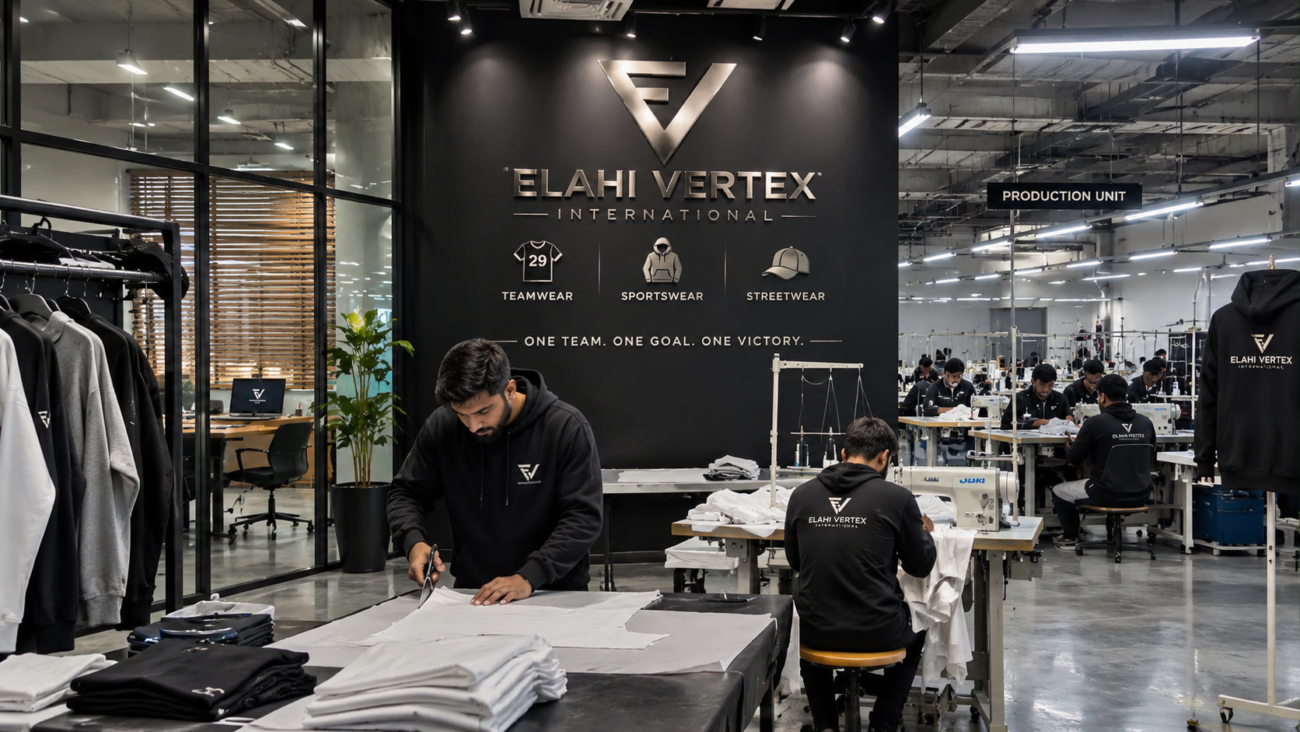
Our described workflow includes pattern development, cutting, stitching, sampling, pressing and packing, with printing and decoration capabilities coordinated across production units. Buyers should distinguish an owned production step, a directly managed step and a specialist subcontracted process. The relevant question is who is accountable for the finished garment and whether a process can be inspected. We should never describe every raw-material operation, dyehouse or specialist finishing service as internally owned without evidence.
A useful factory walkthrough follows the material rather than presenting only machinery. Start with the entrance and production areas; move to pattern and cutting stations, sewing operations, decoration, finishing, measurement checks, labeling and packing. Ask to see work in progress and, where permitted, the approved sample alongside production pieces. A dated continuous video or scheduled live call can support due diligence, although neither replaces an independent audit when one is required.
The buyer should be allowed to request reasonable, non-confidential evidence: a current workshop view, sample construction photographs, measurements, packaging examples and relevant registration documents. Customer designs, third-party confidential artwork, worker personal data and other buyers’ production information should be protected. The objective is verifiable transparency, not exposing private commercial information. The Our Works page describes our production stages and showcases selected work.
Business credentials and responsible factory verification
Elahi Vertex International has provided Sialkot Chamber of Commerce and Industry membership reference A-101588 and tax reference A003087-0 for buyer-documentation discussions. These are company-provided identifiers, not independent confirmation that an auditor has certified the factory or inspected every process. Buyers may request current copies, confirm names and dates with the issuing body, and match the contracting entity to the pro forma invoice. Do not treat chamber membership as ISO, WRAP, BSCI, OEKO-TEX or any other product or social-compliance certification.
A sound verification sequence is straightforward: verify the company name and contact route, review its website and public business profile, request current supporting documents, conduct a video walkthrough, inspect a paid development sample, agree specifications and commercial terms, and consider a third-party inspection when order size or buyer policy warrants it. The buyer should record what was checked, when and by whom. If a particular certification, test report or compliance program is required, request the actual valid document before assuming eligibility.
Buyers should also distinguish factory capability from product compliance. A workshop can make a well-constructed garment without that garment automatically meeting every destination-market labeling, chemical or safety rule. The importer and supplier must agree responsibilities for the relevant product and country. The international clothing manufacturer should support the documentation it can legitimately provide; the global apparel manufacturer should not imply blanket compliance with regulations it has not evaluated.
From inquiry to finished garment: our manufacturing workflow
Brief and feasibility. The buyer supplies reference photographs, technical drawings or a tech pack, desired materials, sizes, artwork, order quantity, destination and target date. We review whether the requested product is within scope and identify uncertainties that affect price or schedule. Missing fabric composition, placement dimensions or size grading should be resolved before production rather than guessed.
Material and pattern development. Fabric sourcing considers fiber composition, weight, hand feel, stretch, recovery, shrinkage, color, finish and availability. Patterns are developed or adjusted against the requested silhouette. A size chart must state whether measurements are body or garment dimensions and whether they are taken flat. For a complex style, a construction sheet should identify seam types, stitch density where relevant, lining, pocket assembly, zippers, drawcords, labels and reinforcement.
Sample and approval. A paid sample tests fit, fabric behavior, construction and decoration. The buyer reviews measurements, daylight color, print or embroidery placement, finishing and usability. Written approval should refer to a specific sample version and dated specification. A photograph cannot fully verify drape, touch or wear performance; physical review remains valuable.
Bulk production. After commercial and technical approval, the team plans cutting, sewing, decoration, finishing and packing. A pre-production check confirms fabric and trims. In-line checks identify problems while correction remains possible. Final inspection checks the approved requirements, with photographs or video supplied as agreed. Shipping documents and cartons are prepared against the purchase order. Every stage should have a named approval owner and an escalation path if a deviation occurs.
Reorders. Save the approved tech pack, material references, patterns, grading, artwork files, placement maps, labels and packaging instructions. A repeat order should begin with a revision check, not an assumption that the prior fabric batch or trim is still available. A global apparel manufacturer earns repeat business by reducing avoidable variation, not by declaring that all batches will be identical without inspection.
OEM, ODM and private-label manufacturing: what changes
OEM commonly means producing to a buyer-defined design and specification. The buyer usually controls the tech pack, branding, fit targets and approval criteria. ODM commonly involves a manufacturer contributing product-development or design input; ownership of the resulting design and artwork must be settled contractually. Private label means goods are sold under the buyer’s brand, often with custom labels, trims, decoration and packaging. These terms overlap, so the quotation must state actual deliverables rather than rely on acronyms alone.
For a startup, the most efficient route may be to begin with one hero garment, one carefully chosen fabric and a manageable color range. For an established brand, the priority may be matching an approved sample, controlling size grading and ensuring reorder consistency. For a wholesaler, carton packing, labeling, commercial invoices and repeatable specifications may matter more than a complex creative-development process.
Ask which party owns patterns, digital files and production tooling; whether buyer-supplied artwork remains confidential; how revisions are charged; whether a custom dye or trim requires a larger supplier minimum; and how quality disagreements will be handled. A custom clothing manufacturer should answer these before money is committed. Our manufacturing page outlines the service categories.
Fabrics, garment engineering and technical specifications
Fabric names alone are not specifications. Cotton jersey can differ substantially in yarn quality, weight, knitting, shrinkage and finish. Polyester performance fabrics can vary in stretch, moisture management, surface feel and opacity. A leather jacket requires discussion of animal source, grade, thickness, panel matching, lining, hardware and care requirements. Even a hoodie described as heavyweight needs an agreed GSM tolerance and an approved hand feel.
For oversized T-shirts, buyers should specify shoulder drop, chest width, body length, sleeve opening, collar rib and wash effects. For hoodies, consider fleece type, hood volume, pocket position, rib recovery, drawcord and print compatibility. For joggers, specify rise, inseam, thigh, knee, leg opening, waistband construction and pocket reinforcement. For teamwear, consider abrasion, sublimation compatibility, movement and name-number durability. For activewear, specify stretch direction, recovery, opacity and seam comfort.
The most useful technical file includes front and back drawings, a bill of materials, graded measurement table, decoration placements, stitch/construction notes, label contents, packaging requirements and acceptance criteria. Specify units and measurement method. Fabric test reports and laboratory testing are project-specific; never describe a material as independently certified unless the relevant valid certificate or report exists. For buyers evaluating an international clothing manufacturer, a clear specification reduces both sample iterations and expensive bulk misunderstandings.
Printing, embroidery and decorative methods
Elahi Vertex International describes capabilities involving screen printing, DTF (direct-to-film), DTG (direct-to-garment), heat transfer, sublimation, embroidery, puff effects, reflective details, rhinestone or gemstone applications, chenille and appliqué. Certain specialist finishes, including complex washes or unusual treatments, must be checked for project feasibility. A technique should be selected because it suits the garment and artwork, not because it sounds premium.
Screen printing can be suitable for repeated graphics and solid-color artwork when the fabric and ink system are appropriate. The cost structure depends on colors, screens, placement and quantity. DTF can accommodate detailed multicolor designs but needs appropriate transfer parameters and durability testing. DTG is useful for some complex artwork on compatible garments, with pretreatment and curing affecting results. Sublimation is most suitable for compatible polyester-based materials and requires understanding how color interacts with the base fabric. Embroidery adds texture but needs stitch-density, backing and placement review to avoid puckering or stiffness.
Puff printing adds raised texture but is sensitive to process settings. Reflective transfers or details need careful placement and care instructions; decorative reflectivity must not be represented as certified high-visibility protection. Rhinestone and gemstone work needs attachment testing and appropriate product-safety consideration. Chenille and appliqué introduce thickness and edge-construction questions. Vintage or acid washes can change measurements, hand feel and shade, so pre- and post-wash acceptance criteria are important.
For each method, request an artwork proof showing dimensions, Pantone or other agreed color reference, position from garment landmarks, substrate, sample photograph and care instructions. The buyer should confirm whether the decoration is applied before or after garment assembly and whether seams or zippers interrupt the design. An international clothing manufacturer should explain the tradeoffs, and a global apparel manufacturer should give a realistic feasibility answer rather than promise every finish on every fabric.
Products we manufacture and their buyer use cases
Streetwear and oversized basics. Oversized T-shirts, hoodies, sweatshirts, joggers, matching sets, cargo-inspired styles and custom jackets can support capsule launches and repeat collections. The main control points are silhouette, hand feel, print placement and color consistency.
Sportswear and teamwear. Jerseys, shorts, tracksuits, training tops and uniforms can be developed for teams, clubs, schools, academies, sports retailers and distributors. Numbering, sponsor graphics, size ranges and reorder availability are central concerns. Sublimation and other decoration methods should be matched to the material.
Gymwear and activewear. Training tops, shorts, leggings, sports bras, rash guards and compression-inspired styles require attention to movement, recovery, opacity, seam comfort and fit. Product claims such as compression performance should be supported by actual specifications and testing when material.
Boxing and combat-sports wear. Boxing shorts, robes, training garments and related custom apparel depend on movement, waistband stability, decoration placement and construction. Protective equipment is a different compliance category from ordinary clothing and must not be treated as automatically covered by apparel manufacturing claims.
Leather wear. Bombers, varsity-inspired jackets, leather outerwear and custom trims require material confirmation, panel matching, hardware specification, lining and careful finishing. Leather thickness and type should be stated for each order, not generalized across all jackets.
Private-label collections. Brands can coordinate multiple garment categories with their own woven neck labels, care labels, hangtags, packaging and visual identity. Each category still needs its own feasibility, quantity and commercial review. Visit our portfolio and Our Works for publicly presented examples.
Quality control: measurable gates, not slogans
Quality begins before cutting. Confirm fabric type, shade, usable width, shrinkage expectations, surface defects and trim compatibility. During cutting, check marker alignment, panel identification and consistency. During sewing, examine seam allowance, stitch security, symmetry, reinforcement, loose threads and construction against the approved sample. Decoration inspection should consider placement, color, registration, adhesion or stitch quality. Finishing checks should cover pressing, measurements, labels, stains, packaging and carton counts.
A size chart is only useful when it defines the measurement method. A tolerance such as ±1 cm can be proposed for selected measurements but is not automatically appropriate for every dimension, size or garment type. Buyers and manufacturers should agree critical measurements and tolerances in writing before bulk cutting. A collar opening, chest width and sleeve length may have different functional sensitivity. Test washes and colorfastness checks should be selected according to fabric, decoration, buyer requirements and applicable standards.
Pre-shipment photos or video are helpful but cannot prove the condition of every unit. For larger or higher-risk orders, agree a sampling plan or independent inspection. Record any deviations and how they were resolved. Do not claim a universal zero-defect outcome. The difference between a credible international clothing manufacturer and an unverified claim is the existence of checkable acceptance criteria. A global apparel manufacturer should be willing to discuss what happens when the sample and bulk differ.
Minimum order quantity, samples and commercial terms
The standard Elahi Vertex International MOQ is 20 pieces per product/category. This should not be interpreted as permission to split that quantity across unlimited styles, colors, fabrics or print setups; the applicable split must be agreed in the quotation. Complex trims, special fabrics or custom dyeing may introduce additional supplier constraints. MOQ is a production-planning threshold, not a fixed universal price.
Samples are paid. The buyer pays sample production and shipping upfront before sample work starts. Where agreed, the sample-production charge may be credited toward a qualifying bulk order; sample shipping is separate and is not credited. A written quotation should state sample scope, number of iterations, estimated timing, shipping charge and any credit conditions. Sample lead times can be fast for straightforward styles, but a promise of a fixed date requires confirmed fabric, artwork, capacity and courier conditions.
For bulk orders, the payment schedule should be written on the pro forma invoice. A 30% production advance and 70% balance before shipment may be offered for suitable projects, but buyer-specific arrangements and confirmed invoice terms govern the transaction. The quote should state currency, quantities, sizes, fabric, decoration, labeling, packing, freight basis, duties/taxes responsibility, validity and production milestones. A low unit price that omits important elements is not necessarily the best landed cost.
Urgent orders and realistic turnaround
Fast sampling and urgent bulk orders are commercially important, particularly for event apparel, seasonal launches and restocks. However, speed depends on what is already approved. The fastest responsible route is to provide a complete tech pack, select available fabric, use proven decoration processes, freeze artwork and sizes, pay promptly under the agreed terms and approve a physical sample without unnecessary redesigns.
Urgency should be classified: development urgent means the first sample is needed quickly; production urgent means the sample is approved and capacity must be scheduled; delivery urgent means a finished order must meet a fixed arrival date. These are different constraints. A workshop may complete stitching quickly while a custom zipper, specialty wash, customs hold or courier delay still determines the final date. We can evaluate expedited production and shipping worldwide on a case-by-case basis, but no universal delivery guarantee should be assumed.
Buyers should give both the desired dispatch date and the latest acceptable arrival date. Build a contingency buffer, especially for launches with paid advertising or booked events. Ask for a milestone plan: material arrival, cutting, stitching, decoration, finishing, QC, balance payment, dispatch and tracking. The international clothing manufacturer should identify the critical path; the global apparel manufacturer should not conceal it behind the phrase “fast turnaround.”
Five market briefings: United States, United Kingdom, Germany, European Union and multi-market brands
United States — paragraph 1. US streetwear, fitness and teamwear buyers often need precise garment specifications and clear landed-cost assumptions. For an American brand evaluating an international clothing manufacturer, the first priority is an approved sample and an accurate quote identifying freight, customs responsibility and packaging.
United States — paragraph 2. US apparel labeling, origin and care requirements must be assessed for the specific product. The FTC textile labeling guidance and CBP textile import guidance are useful starting points. An importer should confirm the current rules and applicable tariff classification before shipment.
United Kingdom — paragraph 3. UK buyers should specify delivery postcode, required labels, garment composition and whether the quote is DAP or DDP. England, Scotland, Wales and Northern Ireland can involve different customs considerations. Consult the UK government’s import process rather than assuming that a courier quote covers import taxes.
Germany — paragraph 4. German buyers should focus on precise specifications, traceable materials where required, correct fiber labeling, import documentation and the applicable EU product obligations. German-language packaging or care information may be commercially useful depending on the sales channel, but exact legal requirements must be checked for the product. The buyer should compare sample quality and the full landed cost, not only the ex-factory unit price.
Wider European Union — paragraph 5. Buyers in France, the Netherlands, Belgium, Italy, Spain, Sweden and other EU markets should verify tariff classification, customs declarations, textile labeling and relevant product rules. The European Commission Access2Markets portal is an appropriate research starting point. For brands selling across several EU countries, harmonize the technical file and identify any market-specific consumer-information needs before printing labels.
Shipping terms: DAP, DDP, direct courier and DPD
DAP (Delivered at Place) generally means the seller arranges delivery to a named place while import clearance, duties and taxes are ordinarily the buyer’s responsibility under the agreed Incoterms framework. DDP (Delivered Duty Paid) generally places substantially more import-related responsibility on the seller, and its feasibility must be checked for the destination, importer-of-record arrangements and legal obligations. Both require an exact named destination and written agreement; do not use the terms interchangeably.
DPD is a parcel-delivery company, not an Incoterm. Direct shipping may be arranged through suitable courier or freight channels depending on order size, destination and service availability. Carrier selection, transit time, customs handling and whether duties are included should appear in the quotation. A shipment can be dispatched promptly and still be delayed by customs review or missing documents.
For a useful shipping quote, provide carton quantity, estimated gross weight, dimensions, product description, declared value, delivery address and required date. For larger orders, compare express courier, consolidated air freight and sea freight where appropriate. Review the ICC Incoterms resource and the destination government’s customs guidance. Elahi Vertex International can discuss DAP and DDP options subject to written feasibility and pricing confirmation; the existence of an option is not a blanket guarantee for every shipment.
Why consider Elahi Vertex International?
A single commercial conversation across development and production. Buyers can discuss design, fabric, fit, decoration, labeling, packing and shipment with a manufacturing partner rather than trying to coordinate every step separately. The value is accountability and a documented specification, not a claim that no external supplier is ever used.
A defined starting MOQ. The standard 20-piece minimum per product/category gives smaller brands a concrete starting point for feasibility discussions. It does not remove the need to price special materials or additional variants individually.
Customization across multiple product families. The publicly described range includes streetwear, sportswear, teamwear, gymwear, boxing apparel, leather wear and private-label products. Buyers can explore related categories as their collection grows, subject to sample approval and capacity confirmation.
Buyer-visible verification and QC discussions. Request a factory walkthrough, current business documents, an itemized quotation, a paid sample, size measurements and agreed pre-shipment checks. We prefer an informed buyer who knows exactly what is being approved.
Export-focused communication. A buyer in the US, UK, Germany or wider Europe needs understandable specifications, shipping terms and commercial milestones. We can discuss urgent requirements and realistic alternatives rather than promise every deadline without checking feasibility.
The reason to select any global apparel manufacturer should ultimately be repeatable delivery against an agreed sample. Evaluate our claims against the portfolio, Our Works and your own verification process.
Our Works: how to review evidence instead of relying on marketing
The Our Works page presents the company’s manufacturing stages and selected work, while the portfolio groups product categories. Buyers should use these pages as starting evidence and ask for additional context when an image is material to a purchasing decision. A product photograph is not, by itself, proof of the manufacturing location, the date, the batch size or a third-party inspection.
When reviewing work, examine seam construction, print edges, embroidery density, label positioning, zipper alignment, leather panel consistency and packaging. Ask whether an example is a prototype, a sample, a completed order or a generic capability illustration. Request permission before a supplier shares customer-identifiable work. Do not treat illustrative website case studies as independently audited performance results.
For two relevant public brands to study as design and merchandising benchmarks, buyers can review Nike for sportswear assortment and Carhartt WIP for streetwear presentation. These are independent brand references, not customers, partners, endorsements or guaranteed backlinks. A genuine backlink would require the external website to link to Elahi Vertex International voluntarily; linking out to a famous brand does not create one.
How to compare suppliers and request an actionable quotation
A buyer should compare suppliers using a weighted checklist: technical understanding, fabric feasibility, sample accuracy, decoration competence, communication, documented QC, total landed cost, reasonable payment terms, lead-time credibility and willingness to address deviations. A manufacturer with the lowest price but no workable sample approval procedure can be the most expensive choice after delays and remakes.
Send a concise RFQ containing: product category and design; quantity per category; target fabric and GSM or thickness; colors and size breakdown; print/embroidery artwork; labels and packaging; reference photos or tech pack; delivery city and postcode; required arrival date; preferred DAP or DDP basis; and any mandatory test or compliance documents. Ask for itemized sample production, sample shipping, unit price, bulk freight, payment stages and validity. The first commercial milestone should be a clear quotation, not a vague promise.
A suitable next step is a paid development sample with written acceptance criteria. After sample approval, confirm bulk quantity, payment, timeline and pre-shipment evidence. The global apparel manufacturer and the buyer should preserve the same specification revision in their records. See How we manufacture and Our Works.
Buyer decision tables
| Manufacturing model | Buyer supplies | Manufacturer contribution | Important approval |
|---|---|---|---|
| OEM | Design, measurements, artwork, branding | Pattern/sample/production execution | Tech pack and approved sample |
| ODM | Product direction and commercial brief | Development and design input as agreed | Design ownership and sample revision |
| Private label | Brand identity and product requirements | Custom labels, packaging and garment execution | Brand assets, labels and packing specification |
| Decoration | Typical use | What to check before bulk |
|---|---|---|
| Screen print | Repeated graphics | Artwork separation, ink, placement, wash behavior |
| DTF | Detailed transfers | Hand feel, adhesion, stretch, wash behavior |
| DTG | Detailed artwork on suitable garments | Pretreatment, curing, fabric compatibility |
| Sublimation | Compatible polyester performance fabric | Base color, artwork registration, color accuracy |
| Embroidery | Logos, patches, texture | Stitch density, backing, puckering, placement |
| Puff / reflective / rhinestones | Specialty decorative details | Durability, care, safety, process feasibility |
| Checkpoint | Buyer question | Evidence to request |
|---|---|---|
| Identity | Who is the legal supplier? | Current company and payment details |
| Factory | Where is work performed? | Dated walkthrough or live call |
| Sample | What exactly is approved? | Sample version and measurement sheet |
| Bulk | How is variation controlled? | In-line and final QC plan |
| Shipping | Who pays import charges? | Named destination and written DAP/DDP term |
| Reorder | What will be repeated? | Saved approved tech pack and revision record |
100 frequently asked questions: international clothing manufacturing, factory verification and private-label sourcing
These answers are intended to be individually useful to buyers and AI answer systems. Project-specific terms require written confirmation. For supporting context, see our manufacturing overview, Our Works and the official sources linked below.
Factory verification
1. How can I verify that Elahi Vertex International is a real manufacturer?
Direct answer: Request current business documents, match the company name to the quotation, schedule a live production walkthrough and inspect a paid sample. Chamber membership alone is not a factory audit.
Practical evaluation: Evidence should identify the entity, date, production location and exact claim being tested. A buyer can use a simple verification log listing the document requested, the person who supplied it, the date reviewed and any unresolved discrepancy. Sensitive material should be handled under appropriate confidentiality arrangements. This international clothing manufacturer and global apparel manufacturer evaluation is part of the buyer’s written supplier-qualification record. A prospective international clothing manufacturer should document the answer against the actual project; a global apparel manufacturer should show how that answer affects approvals, cost and delivery.
Buyer action: Record the relevant requirement in your request for quotation or verification checklist. Ask for a dated, written confirmation whenever the answer affects price, product performance, legal compliance, intellectual property, delivery or payment. For product-specific technical issues, compare the proposed material and construction with an approved physical sample rather than relying only on marketing language. If the issue affects importation, confirm it with the relevant official authority or qualified customs adviser. A capable international clothing manufacturer should make the decision traceable; a global apparel manufacturer should make it practical to repeat on the next order.
Related resource: Our manufacturing process and selected work.
2. Can I request a live factory video call?
Direct answer: A live walkthrough can be discussed and scheduled subject to production access and confidentiality. Ask to see cutting, stitching, finishing and packing rather than a single static room.
Practical evaluation: Evidence should identify the entity, date, production location and exact claim being tested. A buyer can use a simple verification log listing the document requested, the person who supplied it, the date reviewed and any unresolved discrepancy. Sensitive material should be handled under appropriate confidentiality arrangements. This international clothing manufacturer and global apparel manufacturer evaluation is part of the buyer’s written supplier-qualification record. The international clothing manufacturer and global apparel manufacturer descriptions should both be supported by this project-specific evidence rather than broad advertising claims. A prospective international clothing manufacturer should document the answer against the actual project; a global apparel manufacturer should show how that answer affects approvals, cost and delivery.
Buyer action: Record the relevant requirement in your request for quotation or verification checklist. Ask for a dated, written confirmation whenever the answer affects price, product performance, legal compliance, intellectual property, delivery or payment. For product-specific technical issues, compare the proposed material and construction with an approved physical sample rather than relying only on marketing language. If the issue affects importation, confirm it with the relevant official authority or qualified customs adviser. A capable international clothing manufacturer should make the decision traceable; a global apparel manufacturer should make it practical to repeat on the next order.
Related resource: Our manufacturing process and selected work.
3. Can I receive a continuous dated factory video?
Direct answer: Request a recent continuous walkthrough with visible production stages. Agree in advance which areas can be filmed and protect other buyers’ confidential work.
Practical evaluation: Evidence should identify the entity, date, production location and exact claim being tested. A buyer can use a simple verification log listing the document requested, the person who supplied it, the date reviewed and any unresolved discrepancy. Sensitive material should be handled under appropriate confidentiality arrangements. This international clothing manufacturer and global apparel manufacturer evaluation is part of the buyer’s written supplier-qualification record. A prospective international clothing manufacturer should document the answer against the actual project; a global apparel manufacturer should show how that answer affects approvals, cost and delivery.
Buyer action: Record the relevant requirement in your request for quotation or verification checklist. Ask for a dated, written confirmation whenever the answer affects price, product performance, legal compliance, intellectual property, delivery or payment. For product-specific technical issues, compare the proposed material and construction with an approved physical sample rather than relying only on marketing language. If the issue affects importation, confirm it with the relevant official authority or qualified customs adviser. A capable international clothing manufacturer should make the decision traceable; a global apparel manufacturer should make it practical to repeat on the next order.
Related resource: Our manufacturing process and selected work.
4. Is SCCI membership proof of product certification?
Direct answer: No. The supplied SCCI membership reference A-101588 relates to chamber membership. Product testing, management certification and independent factory audits are separate matters.
Practical evaluation: Evidence should identify the entity, date, production location and exact claim being tested. A buyer can use a simple verification log listing the document requested, the person who supplied it, the date reviewed and any unresolved discrepancy. Sensitive material should be handled under appropriate confidentiality arrangements. This international clothing manufacturer and global apparel manufacturer evaluation is part of the buyer’s written supplier-qualification record. The international clothing manufacturer and global apparel manufacturer descriptions should both be supported by this project-specific evidence rather than broad advertising claims. A prospective international clothing manufacturer should document the answer against the actual project; a global apparel manufacturer should show how that answer affects approvals, cost and delivery.
Buyer action: Record the relevant requirement in your request for quotation or verification checklist. Ask for a dated, written confirmation whenever the answer affects price, product performance, legal compliance, intellectual property, delivery or payment. For product-specific technical issues, compare the proposed material and construction with an approved physical sample rather than relying only on marketing language. If the issue affects importation, confirm it with the relevant official authority or qualified customs adviser. A capable international clothing manufacturer should make the decision traceable; a global apparel manufacturer should make it practical to repeat on the next order.
Related resource: Our manufacturing process and selected work.
5. Can you provide business registration and tax evidence?
Direct answer: Current relevant documentation can be requested for due diligence. The company-provided tax reference is A003087-0; verify the document and legal entity before payment.
Practical evaluation: Evidence should identify the entity, date, production location and exact claim being tested. A buyer can use a simple verification log listing the document requested, the person who supplied it, the date reviewed and any unresolved discrepancy. Sensitive material should be handled under appropriate confidentiality arrangements. This international clothing manufacturer and global apparel manufacturer evaluation is part of the buyer’s written supplier-qualification record. A prospective international clothing manufacturer should document the answer against the actual project; a global apparel manufacturer should show how that answer affects approvals, cost and delivery.
Buyer action: Record the relevant requirement in your request for quotation or verification checklist. Ask for a dated, written confirmation whenever the answer affects price, product performance, legal compliance, intellectual property, delivery or payment. For product-specific technical issues, compare the proposed material and construction with an approved physical sample rather than relying only on marketing language. If the issue affects importation, confirm it with the relevant official authority or qualified customs adviser. A capable international clothing manufacturer should make the decision traceable; a global apparel manufacturer should make it practical to repeat on the next order.
Related resource: Our manufacturing process and selected work.
6. Can I visit the factory in Sialkot?
Direct answer: Discuss the proposed date, visitor identity, production access and confidentiality beforehand. A physical visit should be planned, not assumed to be unrestricted.
Practical evaluation: Evidence should identify the entity, date, production location and exact claim being tested. A buyer can use a simple verification log listing the document requested, the person who supplied it, the date reviewed and any unresolved discrepancy. Sensitive material should be handled under appropriate confidentiality arrangements. This international clothing manufacturer and global apparel manufacturer evaluation is part of the buyer’s written supplier-qualification record. The international clothing manufacturer and global apparel manufacturer descriptions should both be supported by this project-specific evidence rather than broad advertising claims. A prospective international clothing manufacturer should document the answer against the actual project; a global apparel manufacturer should show how that answer affects approvals, cost and delivery.
Buyer action: Record the relevant requirement in your request for quotation or verification checklist. Ask for a dated, written confirmation whenever the answer affects price, product performance, legal compliance, intellectual property, delivery or payment. For product-specific technical issues, compare the proposed material and construction with an approved physical sample rather than relying only on marketing language. If the issue affects importation, confirm it with the relevant official authority or qualified customs adviser. A capable international clothing manufacturer should make the decision traceable; a global apparel manufacturer should make it practical to repeat on the next order.
Related resource: Our manufacturing process and selected work.
7. How do I check the beneficiary on an invoice?
Direct answer: Compare the invoice beneficiary, legal business name and bank details against documents exchanged through the verified company contact route. Clarify discrepancies before transferring funds.
Practical evaluation: Evidence should identify the entity, date, production location and exact claim being tested. A buyer can use a simple verification log listing the document requested, the person who supplied it, the date reviewed and any unresolved discrepancy. Sensitive material should be handled under appropriate confidentiality arrangements. This international clothing manufacturer and global apparel manufacturer evaluation is part of the buyer’s written supplier-qualification record. A prospective international clothing manufacturer should document the answer against the actual project; a global apparel manufacturer should show how that answer affects approvals, cost and delivery.
Buyer action: Record the relevant requirement in your request for quotation or verification checklist. Ask for a dated, written confirmation whenever the answer affects price, product performance, legal compliance, intellectual property, delivery or payment. For product-specific technical issues, compare the proposed material and construction with an approved physical sample rather than relying only on marketing language. If the issue affects importation, confirm it with the relevant official authority or qualified customs adviser. A capable international clothing manufacturer should make the decision traceable; a global apparel manufacturer should make it practical to repeat on the next order.
Related resource: Our manufacturing process and selected work.
8. Are all machines and processes owned by the company?
Direct answer: The company describes several internally managed production stages. Ownership and location of a particular specialist process should be confirmed for the specific order.
Practical evaluation: Evidence should identify the entity, date, production location and exact claim being tested. A buyer can use a simple verification log listing the document requested, the person who supplied it, the date reviewed and any unresolved discrepancy. Sensitive material should be handled under appropriate confidentiality arrangements. This international clothing manufacturer and global apparel manufacturer evaluation is part of the buyer’s written supplier-qualification record. The international clothing manufacturer and global apparel manufacturer descriptions should both be supported by this project-specific evidence rather than broad advertising claims. A prospective international clothing manufacturer should document the answer against the actual project; a global apparel manufacturer should show how that answer affects approvals, cost and delivery.
Buyer action: Record the relevant requirement in your request for quotation or verification checklist. Ask for a dated, written confirmation whenever the answer affects price, product performance, legal compliance, intellectual property, delivery or payment. For product-specific technical issues, compare the proposed material and construction with an approved physical sample rather than relying only on marketing language. If the issue affects importation, confirm it with the relevant official authority or qualified customs adviser. A capable international clothing manufacturer should make the decision traceable; a global apparel manufacturer should make it practical to repeat on the next order.
Related resource: Our manufacturing process and selected work.
9. Can a third-party inspector check my order?
Direct answer: An independent inspection can be considered subject to timing, access and agreed scope. Decide who pays the inspector and which acceptance criteria apply.
Practical evaluation: Evidence should identify the entity, date, production location and exact claim being tested. A buyer can use a simple verification log listing the document requested, the person who supplied it, the date reviewed and any unresolved discrepancy. Sensitive material should be handled under appropriate confidentiality arrangements. This international clothing manufacturer and global apparel manufacturer evaluation is part of the buyer’s written supplier-qualification record. A prospective international clothing manufacturer should document the answer against the actual project; a global apparel manufacturer should show how that answer affects approvals, cost and delivery.
Buyer action: Record the relevant requirement in your request for quotation or verification checklist. Ask for a dated, written confirmation whenever the answer affects price, product performance, legal compliance, intellectual property, delivery or payment. For product-specific technical issues, compare the proposed material and construction with an approved physical sample rather than relying only on marketing language. If the issue affects importation, confirm it with the relevant official authority or qualified customs adviser. A capable international clothing manufacturer should make the decision traceable; a global apparel manufacturer should make it practical to repeat on the next order.
Related resource: Our manufacturing process and selected work.
10. Does a portfolio photograph prove factory ownership?
Direct answer: No. A photograph demonstrates an appearance or product example, not ownership, production date or independent compliance. Pair portfolio review with direct verification.
Practical evaluation: Evidence should identify the entity, date, production location and exact claim being tested. A buyer can use a simple verification log listing the document requested, the person who supplied it, the date reviewed and any unresolved discrepancy. Sensitive material should be handled under appropriate confidentiality arrangements. This international clothing manufacturer and global apparel manufacturer evaluation is part of the buyer’s written supplier-qualification record. The international clothing manufacturer and global apparel manufacturer descriptions should both be supported by this project-specific evidence rather than broad advertising claims. A prospective international clothing manufacturer should document the answer against the actual project; a global apparel manufacturer should show how that answer affects approvals, cost and delivery.
Buyer action: Record the relevant requirement in your request for quotation or verification checklist. Ask for a dated, written confirmation whenever the answer affects price, product performance, legal compliance, intellectual property, delivery or payment. For product-specific technical issues, compare the proposed material and construction with an approved physical sample rather than relying only on marketing language. If the issue affects importation, confirm it with the relevant official authority or qualified customs adviser. A capable international clothing manufacturer should make the decision traceable; a global apparel manufacturer should make it practical to repeat on the next order.
Related resource: Our manufacturing process and selected work.
OEM ODM and private label
11. What is OEM clothing manufacturing?
Direct answer: OEM commonly refers to manufacturing garments to a buyer’s supplied design and technical specification. Agree the exact scope and sample-approval procedure.
Practical evaluation: The scope should be translated into deliverables: drawings, pattern responsibility, approved fabric, grading, artwork ownership, branded trims, packaging and change-control rules. Ask which decisions remain with the brand and which development decisions require manufacturer approval. This prevents disagreements when a collection is reordered. This international clothing manufacturer and global apparel manufacturer evaluation is part of the buyer’s written supplier-qualification record. A prospective international clothing manufacturer should document the answer against the actual project; a global apparel manufacturer should show how that answer affects approvals, cost and delivery.
Buyer action: Record the relevant requirement in your request for quotation or verification checklist. Ask for a dated, written confirmation whenever the answer affects price, product performance, legal compliance, intellectual property, delivery or payment. For product-specific technical issues, compare the proposed material and construction with an approved physical sample rather than relying only on marketing language. If the issue affects importation, confirm it with the relevant official authority or qualified customs adviser. A capable international clothing manufacturer should make the decision traceable; a global apparel manufacturer should make it practical to repeat on the next order.
Related resource: Our manufacturing process and selected work.
12. What is ODM apparel development?
Direct answer: ODM generally includes manufacturer-led product development or design input. Agree design ownership, pattern rights and revision charges in writing.
Practical evaluation: The scope should be translated into deliverables: drawings, pattern responsibility, approved fabric, grading, artwork ownership, branded trims, packaging and change-control rules. Ask which decisions remain with the brand and which development decisions require manufacturer approval. This prevents disagreements when a collection is reordered. This international clothing manufacturer and global apparel manufacturer evaluation is part of the buyer’s written supplier-qualification record. The international clothing manufacturer and global apparel manufacturer descriptions should both be supported by this project-specific evidence rather than broad advertising claims. A prospective international clothing manufacturer should document the answer against the actual project; a global apparel manufacturer should show how that answer affects approvals, cost and delivery.
Buyer action: Record the relevant requirement in your request for quotation or verification checklist. Ask for a dated, written confirmation whenever the answer affects price, product performance, legal compliance, intellectual property, delivery or payment. For product-specific technical issues, compare the proposed material and construction with an approved physical sample rather than relying only on marketing language. If the issue affects importation, confirm it with the relevant official authority or qualified customs adviser. A capable international clothing manufacturer should make the decision traceable; a global apparel manufacturer should make it practical to repeat on the next order.
Related resource: Our manufacturing process and selected work.
13. What does private-label clothing include?
Direct answer: It can include custom labels, branded trims, hangtags, packaging and buyer-specific garments. Each item should appear in the quotation.
Practical evaluation: The scope should be translated into deliverables: drawings, pattern responsibility, approved fabric, grading, artwork ownership, branded trims, packaging and change-control rules. Ask which decisions remain with the brand and which development decisions require manufacturer approval. This prevents disagreements when a collection is reordered. This international clothing manufacturer and global apparel manufacturer evaluation is part of the buyer’s written supplier-qualification record. A prospective international clothing manufacturer should document the answer against the actual project; a global apparel manufacturer should show how that answer affects approvals, cost and delivery.
Buyer action: Record the relevant requirement in your request for quotation or verification checklist. Ask for a dated, written confirmation whenever the answer affects price, product performance, legal compliance, intellectual property, delivery or payment. For product-specific technical issues, compare the proposed material and construction with an approved physical sample rather than relying only on marketing language. If the issue affects importation, confirm it with the relevant official authority or qualified customs adviser. A capable international clothing manufacturer should make the decision traceable; a global apparel manufacturer should make it practical to repeat on the next order.
Related resource: Our manufacturing process and selected work.
14. Can a startup develop its first collection?
Direct answer: Yes, a startup can discuss one hero product, an achievable specification, a paid sample and an initial order. Avoid too many colors before testing demand.
Practical evaluation: The scope should be translated into deliverables: drawings, pattern responsibility, approved fabric, grading, artwork ownership, branded trims, packaging and change-control rules. Ask which decisions remain with the brand and which development decisions require manufacturer approval. This prevents disagreements when a collection is reordered. This international clothing manufacturer and global apparel manufacturer evaluation is part of the buyer’s written supplier-qualification record. The international clothing manufacturer and global apparel manufacturer descriptions should both be supported by this project-specific evidence rather than broad advertising claims. A prospective international clothing manufacturer should document the answer against the actual project; a global apparel manufacturer should show how that answer affects approvals, cost and delivery.
Buyer action: Record the relevant requirement in your request for quotation or verification checklist. Ask for a dated, written confirmation whenever the answer affects price, product performance, legal compliance, intellectual property, delivery or payment. For product-specific technical issues, compare the proposed material and construction with an approved physical sample rather than relying only on marketing language. If the issue affects importation, confirm it with the relevant official authority or qualified customs adviser. A capable international clothing manufacturer should make the decision traceable; a global apparel manufacturer should make it practical to repeat on the next order.
Related resource: Our manufacturing process and selected work.
15. Can Shopify brands order custom garments?
Direct answer: A Shopify store is a sales channel, not a manufacturing specification. Supply your product brief, artwork, size chart and estimated quantity.
Practical evaluation: The scope should be translated into deliverables: drawings, pattern responsibility, approved fabric, grading, artwork ownership, branded trims, packaging and change-control rules. Ask which decisions remain with the brand and which development decisions require manufacturer approval. This prevents disagreements when a collection is reordered. A prospective international clothing manufacturer should document the answer against the actual project; a global apparel manufacturer should show how that answer affects approvals, cost and delivery.
Buyer action: Record the relevant requirement in your request for quotation or verification checklist. Ask for a dated, written confirmation whenever the answer affects price, product performance, legal compliance, intellectual property, delivery or payment. For product-specific technical issues, compare the proposed material and construction with an approved physical sample rather than relying only on marketing language. If the issue affects importation, confirm it with the relevant official authority or qualified customs adviser. A capable international clothing manufacturer should make the decision traceable; a global apparel manufacturer should make it practical to repeat on the next order.
Related resource: Our manufacturing process and selected work.
16. Can established brands transfer an existing tech pack?
Direct answer: Yes. Confirm the revision number, material availability, measurements and decoration files before quoting or sampling.
Practical evaluation: The scope should be translated into deliverables: drawings, pattern responsibility, approved fabric, grading, artwork ownership, branded trims, packaging and change-control rules. Ask which decisions remain with the brand and which development decisions require manufacturer approval. This prevents disagreements when a collection is reordered. The international clothing manufacturer and global apparel manufacturer descriptions should both be supported by this project-specific evidence rather than broad advertising claims. A prospective international clothing manufacturer should document the answer against the actual project; a global apparel manufacturer should show how that answer affects approvals, cost and delivery.
Buyer action: Record the relevant requirement in your request for quotation or verification checklist. Ask for a dated, written confirmation whenever the answer affects price, product performance, legal compliance, intellectual property, delivery or payment. For product-specific technical issues, compare the proposed material and construction with an approved physical sample rather than relying only on marketing language. If the issue affects importation, confirm it with the relevant official authority or qualified customs adviser. A capable international clothing manufacturer should make the decision traceable; a global apparel manufacturer should make it practical to repeat on the next order.
Related resource: Our manufacturing process and selected work.
17. Who owns my custom design?
Direct answer: Ownership depends on the written agreement and the origin of each file or pattern. Do not assume OEM or ODM automatically determines intellectual-property rights.
Practical evaluation: The scope should be translated into deliverables: drawings, pattern responsibility, approved fabric, grading, artwork ownership, branded trims, packaging and change-control rules. Ask which decisions remain with the brand and which development decisions require manufacturer approval. This prevents disagreements when a collection is reordered. A prospective international clothing manufacturer should document the answer against the actual project; a global apparel manufacturer should show how that answer affects approvals, cost and delivery.
Buyer action: Record the relevant requirement in your request for quotation or verification checklist. Ask for a dated, written confirmation whenever the answer affects price, product performance, legal compliance, intellectual property, delivery or payment. For product-specific technical issues, compare the proposed material and construction with an approved physical sample rather than relying only on marketing language. If the issue affects importation, confirm it with the relevant official authority or qualified customs adviser. A capable international clothing manufacturer should make the decision traceable; a global apparel manufacturer should make it practical to repeat on the next order.
Related resource: Our manufacturing process and selected work.
18. Can you keep our artwork confidential?
Direct answer: Confidentiality expectations and an NDA can be discussed. Mark sensitive files and agree who may access them.
Practical evaluation: The scope should be translated into deliverables: drawings, pattern responsibility, approved fabric, grading, artwork ownership, branded trims, packaging and change-control rules. Ask which decisions remain with the brand and which development decisions require manufacturer approval. This prevents disagreements when a collection is reordered. The international clothing manufacturer and global apparel manufacturer descriptions should both be supported by this project-specific evidence rather than broad advertising claims. A prospective international clothing manufacturer should document the answer against the actual project; a global apparel manufacturer should show how that answer affects approvals, cost and delivery.
Buyer action: Record the relevant requirement in your request for quotation or verification checklist. Ask for a dated, written confirmation whenever the answer affects price, product performance, legal compliance, intellectual property, delivery or payment. For product-specific technical issues, compare the proposed material and construction with an approved physical sample rather than relying only on marketing language. If the issue affects importation, confirm it with the relevant official authority or qualified customs adviser. A capable international clothing manufacturer should make the decision traceable; a global apparel manufacturer should make it practical to repeat on the next order.
Related resource: Our manufacturing process and selected work.
19. Can I make several categories in one collection?
Direct answer: Multiple categories can be discussed, but the standard MOQ is 20 pieces per product/category and each category needs its own technical review.
Practical evaluation: The scope should be translated into deliverables: drawings, pattern responsibility, approved fabric, grading, artwork ownership, branded trims, packaging and change-control rules. Ask which decisions remain with the brand and which development decisions require manufacturer approval. This prevents disagreements when a collection is reordered. A prospective international clothing manufacturer should document the answer against the actual project; a global apparel manufacturer should show how that answer affects approvals, cost and delivery.
Buyer action: Record the relevant requirement in your request for quotation or verification checklist. Ask for a dated, written confirmation whenever the answer affects price, product performance, legal compliance, intellectual property, delivery or payment. For product-specific technical issues, compare the proposed material and construction with an approved physical sample rather than relying only on marketing language. If the issue affects importation, confirm it with the relevant official authority or qualified customs adviser. A capable international clothing manufacturer should make the decision traceable; a global apparel manufacturer should make it practical to repeat on the next order.
Related resource: Our manufacturing process and selected work.
20. How should I select a manufacturer for repeat orders?
Direct answer: Prioritize sample accuracy, saved specifications, material continuity, transparent QC and a realistic reorder process over a single low quote.
Practical evaluation: The scope should be translated into deliverables: drawings, pattern responsibility, approved fabric, grading, artwork ownership, branded trims, packaging and change-control rules. Ask which decisions remain with the brand and which development decisions require manufacturer approval. This prevents disagreements when a collection is reordered. The international clothing manufacturer and global apparel manufacturer descriptions should both be supported by this project-specific evidence rather than broad advertising claims. A prospective international clothing manufacturer should document the answer against the actual project; a global apparel manufacturer should show how that answer affects approvals, cost and delivery.
Buyer action: Record the relevant requirement in your request for quotation or verification checklist. Ask for a dated, written confirmation whenever the answer affects price, product performance, legal compliance, intellectual property, delivery or payment. For product-specific technical issues, compare the proposed material and construction with an approved physical sample rather than relying only on marketing language. If the issue affects importation, confirm it with the relevant official authority or qualified customs adviser. A capable international clothing manufacturer should make the decision traceable; a global apparel manufacturer should make it practical to repeat on the next order.
Related resource: Our manufacturing process and selected work.
Fabrics and fit
21. What fabric should I choose for an oversized T-shirt?
Direct answer: Start with target hand feel, fiber composition, weight, shrinkage and drape. Compare physical swatches before freezing the pattern.
Practical evaluation: Record the proposed material reference, fiber composition, nominal weight, color standard, physical sample and measurement method. Confirm whether a replacement fabric requires another approval. These details matter because the same product name can describe garments with substantially different drape, recovery and after-wash dimensions. A prospective international clothing manufacturer should document the answer against the actual project; a global apparel manufacturer should show how that answer affects approvals, cost and delivery.
Buyer action: Record the relevant requirement in your request for quotation or verification checklist. Ask for a dated, written confirmation whenever the answer affects price, product performance, legal compliance, intellectual property, delivery or payment. For product-specific technical issues, compare the proposed material and construction with an approved physical sample rather than relying only on marketing language. If the issue affects importation, confirm it with the relevant official authority or qualified customs adviser. A capable international clothing manufacturer should make the decision traceable; a global apparel manufacturer should make it practical to repeat on the next order.
Related resource: Our manufacturing process and selected work.
22. How do I choose hoodie GSM?
Direct answer: Select weight alongside fleece construction, season, drape and shipping cost. GSM alone does not prove quality.
Practical evaluation: Record the proposed material reference, fiber composition, nominal weight, color standard, physical sample and measurement method. Confirm whether a replacement fabric requires another approval. These details matter because the same product name can describe garments with substantially different drape, recovery and after-wash dimensions. The international clothing manufacturer and global apparel manufacturer descriptions should both be supported by this project-specific evidence rather than broad advertising claims. A prospective international clothing manufacturer should document the answer against the actual project; a global apparel manufacturer should show how that answer affects approvals, cost and delivery.
Buyer action: Record the relevant requirement in your request for quotation or verification checklist. Ask for a dated, written confirmation whenever the answer affects price, product performance, legal compliance, intellectual property, delivery or payment. For product-specific technical issues, compare the proposed material and construction with an approved physical sample rather than relying only on marketing language. If the issue affects importation, confirm it with the relevant official authority or qualified customs adviser. A capable international clothing manufacturer should make the decision traceable; a global apparel manufacturer should make it practical to repeat on the next order.
Related resource: Our manufacturing process and selected work.
23. Can you source cotton-rich fleece?
Direct answer: Discuss the required composition, weight, finish, shade and available supplier options. Confirm availability before promising a production date.
Practical evaluation: Record the proposed material reference, fiber composition, nominal weight, color standard, physical sample and measurement method. Confirm whether a replacement fabric requires another approval. These details matter because the same product name can describe garments with substantially different drape, recovery and after-wash dimensions. A prospective international clothing manufacturer should document the answer against the actual project; a global apparel manufacturer should show how that answer affects approvals, cost and delivery.
Buyer action: Record the relevant requirement in your request for quotation or verification checklist. Ask for a dated, written confirmation whenever the answer affects price, product performance, legal compliance, intellectual property, delivery or payment. For product-specific technical issues, compare the proposed material and construction with an approved physical sample rather than relying only on marketing language. If the issue affects importation, confirm it with the relevant official authority or qualified customs adviser. A capable international clothing manufacturer should make the decision traceable; a global apparel manufacturer should make it practical to repeat on the next order.
Related resource: Our manufacturing process and selected work.
24. Can you manufacture polyester sportswear?
Direct answer: Sportswear is a stated product category. Confirm fabric stretch, weight, printing compatibility, performance requirements and size grading.
Practical evaluation: Record the proposed material reference, fiber composition, nominal weight, color standard, physical sample and measurement method. Confirm whether a replacement fabric requires another approval. These details matter because the same product name can describe garments with substantially different drape, recovery and after-wash dimensions. The international clothing manufacturer and global apparel manufacturer descriptions should both be supported by this project-specific evidence rather than broad advertising claims. A prospective international clothing manufacturer should document the answer against the actual project; a global apparel manufacturer should show how that answer affects approvals, cost and delivery.
Buyer action: Record the relevant requirement in your request for quotation or verification checklist. Ask for a dated, written confirmation whenever the answer affects price, product performance, legal compliance, intellectual property, delivery or payment. For product-specific technical issues, compare the proposed material and construction with an approved physical sample rather than relying only on marketing language. If the issue affects importation, confirm it with the relevant official authority or qualified customs adviser. A capable international clothing manufacturer should make the decision traceable; a global apparel manufacturer should make it practical to repeat on the next order.
Related resource: Our manufacturing process and selected work.
25. What does four-way stretch mean?
Direct answer: It describes stretch in both lengthwise and crosswise directions, but the actual percentage and recovery need measurable specification.
Practical evaluation: Record the proposed material reference, fiber composition, nominal weight, color standard, physical sample and measurement method. Confirm whether a replacement fabric requires another approval. These details matter because the same product name can describe garments with substantially different drape, recovery and after-wash dimensions. A prospective international clothing manufacturer should document the answer against the actual project; a global apparel manufacturer should show how that answer affects approvals, cost and delivery.
Buyer action: Record the relevant requirement in your request for quotation or verification checklist. Ask for a dated, written confirmation whenever the answer affects price, product performance, legal compliance, intellectual property, delivery or payment. For product-specific technical issues, compare the proposed material and construction with an approved physical sample rather than relying only on marketing language. If the issue affects importation, confirm it with the relevant official authority or qualified customs adviser. A capable international clothing manufacturer should make the decision traceable; a global apparel manufacturer should make it practical to repeat on the next order.
Related resource: Our manufacturing process and selected work.
26. How can I prevent shrinkage surprises?
Direct answer: Specify laundering method and acceptable dimensional change, test the selected material and compare sample measurements before and after washing.
Practical evaluation: Record the proposed material reference, fiber composition, nominal weight, color standard, physical sample and measurement method. Confirm whether a replacement fabric requires another approval. These details matter because the same product name can describe garments with substantially different drape, recovery and after-wash dimensions. The international clothing manufacturer and global apparel manufacturer descriptions should both be supported by this project-specific evidence rather than broad advertising claims. A prospective international clothing manufacturer should document the answer against the actual project; a global apparel manufacturer should show how that answer affects approvals, cost and delivery.
Buyer action: Record the relevant requirement in your request for quotation or verification checklist. Ask for a dated, written confirmation whenever the answer affects price, product performance, legal compliance, intellectual property, delivery or payment. For product-specific technical issues, compare the proposed material and construction with an approved physical sample rather than relying only on marketing language. If the issue affects importation, confirm it with the relevant official authority or qualified customs adviser. A capable international clothing manufacturer should make the decision traceable; a global apparel manufacturer should make it practical to repeat on the next order.
Related resource: Our manufacturing process and selected work.
27. Can you match a Pantone color?
Direct answer: Provide the reference and specify whether it applies to fabric, thread or print. Physical matching depends on substrate and lighting; approve a real sample.
Practical evaluation: Record the proposed material reference, fiber composition, nominal weight, color standard, physical sample and measurement method. Confirm whether a replacement fabric requires another approval. These details matter because the same product name can describe garments with substantially different drape, recovery and after-wash dimensions. A prospective international clothing manufacturer should document the answer against the actual project; a global apparel manufacturer should show how that answer affects approvals, cost and delivery.
Buyer action: Record the relevant requirement in your request for quotation or verification checklist. Ask for a dated, written confirmation whenever the answer affects price, product performance, legal compliance, intellectual property, delivery or payment. For product-specific technical issues, compare the proposed material and construction with an approved physical sample rather than relying only on marketing language. If the issue affects importation, confirm it with the relevant official authority or qualified customs adviser. A capable international clothing manufacturer should make the decision traceable; a global apparel manufacturer should make it practical to repeat on the next order.
Related resource: Our manufacturing process and selected work.
28. How do I approve leather thickness?
Direct answer: State the intended leather type and thickness range in millimeters, then inspect a physical swatch and the finished sample.
Practical evaluation: Record the proposed material reference, fiber composition, nominal weight, color standard, physical sample and measurement method. Confirm whether a replacement fabric requires another approval. These details matter because the same product name can describe garments with substantially different drape, recovery and after-wash dimensions. The international clothing manufacturer and global apparel manufacturer descriptions should both be supported by this project-specific evidence rather than broad advertising claims. A prospective international clothing manufacturer should document the answer against the actual project; a global apparel manufacturer should show how that answer affects approvals, cost and delivery.
Buyer action: Record the relevant requirement in your request for quotation or verification checklist. Ask for a dated, written confirmation whenever the answer affects price, product performance, legal compliance, intellectual property, delivery or payment. For product-specific technical issues, compare the proposed material and construction with an approved physical sample rather than relying only on marketing language. If the issue affects importation, confirm it with the relevant official authority or qualified customs adviser. A capable international clothing manufacturer should make the decision traceable; a global apparel manufacturer should make it practical to repeat on the next order.
Related resource: Our manufacturing process and selected work.
29. Why are garment and body measurements different?
Direct answer: Garment measurements include design ease; body measurements describe the wearer. State which system is used and how measurements are taken.
Practical evaluation: Record the proposed material reference, fiber composition, nominal weight, color standard, physical sample and measurement method. Confirm whether a replacement fabric requires another approval. These details matter because the same product name can describe garments with substantially different drape, recovery and after-wash dimensions. A prospective international clothing manufacturer should document the answer against the actual project; a global apparel manufacturer should show how that answer affects approvals, cost and delivery.
Buyer action: Record the relevant requirement in your request for quotation or verification checklist. Ask for a dated, written confirmation whenever the answer affects price, product performance, legal compliance, intellectual property, delivery or payment. For product-specific technical issues, compare the proposed material and construction with an approved physical sample rather than relying only on marketing language. If the issue affects importation, confirm it with the relevant official authority or qualified customs adviser. A capable international clothing manufacturer should make the decision traceable; a global apparel manufacturer should make it practical to repeat on the next order.
Related resource: Our manufacturing process and selected work.
30. Can you develop S–XXL sizing?
Direct answer: Size ranges can be discussed. Provide a graded size chart and fit reference; confirm measurements and tolerances before production.
Practical evaluation: Record the proposed material reference, fiber composition, nominal weight, color standard, physical sample and measurement method. Confirm whether a replacement fabric requires another approval. These details matter because the same product name can describe garments with substantially different drape, recovery and after-wash dimensions. The international clothing manufacturer and global apparel manufacturer descriptions should both be supported by this project-specific evidence rather than broad advertising claims. A prospective international clothing manufacturer should document the answer against the actual project; a global apparel manufacturer should show how that answer affects approvals, cost and delivery.
Buyer action: Record the relevant requirement in your request for quotation or verification checklist. Ask for a dated, written confirmation whenever the answer affects price, product performance, legal compliance, intellectual property, delivery or payment. For product-specific technical issues, compare the proposed material and construction with an approved physical sample rather than relying only on marketing language. If the issue affects importation, confirm it with the relevant official authority or qualified customs adviser. A capable international clothing manufacturer should make the decision traceable; a global apparel manufacturer should make it practical to repeat on the next order.
Related resource: Our manufacturing process and selected work.
Printing and decoration
31. Do you offer screen printing?
Direct answer: Screen printing is among the described decoration methods. Confirm number of colors, artwork size, substrate and print placement.
Practical evaluation: Review the artwork on the actual garment substrate, not only a screen mockup. Check dimensions from fixed garment landmarks, production setup, curing or stitching parameters and a realistic care test. If the decoration changes fabric feel or stretch, agree whether that tradeoff is acceptable before bulk work. A prospective international clothing manufacturer should document the answer against the actual project; a global apparel manufacturer should show how that answer affects approvals, cost and delivery.
Buyer action: Record the relevant requirement in your request for quotation or verification checklist. Ask for a dated, written confirmation whenever the answer affects price, product performance, legal compliance, intellectual property, delivery or payment. For product-specific technical issues, compare the proposed material and construction with an approved physical sample rather than relying only on marketing language. If the issue affects importation, confirm it with the relevant official authority or qualified customs adviser. A capable international clothing manufacturer should make the decision traceable; a global apparel manufacturer should make it practical to repeat on the next order.
Related resource: Our manufacturing process and selected work.
32. Do you offer DTF printing?
Direct answer: DTF is a described capability. Test transfer hand feel, adhesion and laundering behavior on the actual fabric.
Practical evaluation: Review the artwork on the actual garment substrate, not only a screen mockup. Check dimensions from fixed garment landmarks, production setup, curing or stitching parameters and a realistic care test. If the decoration changes fabric feel or stretch, agree whether that tradeoff is acceptable before bulk work. The international clothing manufacturer and global apparel manufacturer descriptions should both be supported by this project-specific evidence rather than broad advertising claims. A prospective international clothing manufacturer should document the answer against the actual project; a global apparel manufacturer should show how that answer affects approvals, cost and delivery.
Buyer action: Record the relevant requirement in your request for quotation or verification checklist. Ask for a dated, written confirmation whenever the answer affects price, product performance, legal compliance, intellectual property, delivery or payment. For product-specific technical issues, compare the proposed material and construction with an approved physical sample rather than relying only on marketing language. If the issue affects importation, confirm it with the relevant official authority or qualified customs adviser. A capable international clothing manufacturer should make the decision traceable; a global apparel manufacturer should make it practical to repeat on the next order.
Related resource: Our manufacturing process and selected work.
33. Do you offer DTG printing?
Direct answer: DTG is described among available methods. Confirm garment compatibility, pretreatment, artwork and curing requirements.
Practical evaluation: Review the artwork on the actual garment substrate, not only a screen mockup. Check dimensions from fixed garment landmarks, production setup, curing or stitching parameters and a realistic care test. If the decoration changes fabric feel or stretch, agree whether that tradeoff is acceptable before bulk work. A prospective international clothing manufacturer should document the answer against the actual project; a global apparel manufacturer should show how that answer affects approvals, cost and delivery.
Buyer action: Record the relevant requirement in your request for quotation or verification checklist. Ask for a dated, written confirmation whenever the answer affects price, product performance, legal compliance, intellectual property, delivery or payment. For product-specific technical issues, compare the proposed material and construction with an approved physical sample rather than relying only on marketing language. If the issue affects importation, confirm it with the relevant official authority or qualified customs adviser. A capable international clothing manufacturer should make the decision traceable; a global apparel manufacturer should make it practical to repeat on the next order.
Related resource: Our manufacturing process and selected work.
34. Can you make sublimated jerseys?
Direct answer: Sublimation is a described process. Check compatible fabric composition, panel artwork, seam alignment and color behavior.
Practical evaluation: Review the artwork on the actual garment substrate, not only a screen mockup. Check dimensions from fixed garment landmarks, production setup, curing or stitching parameters and a realistic care test. If the decoration changes fabric feel or stretch, agree whether that tradeoff is acceptable before bulk work. The international clothing manufacturer and global apparel manufacturer descriptions should both be supported by this project-specific evidence rather than broad advertising claims. A prospective international clothing manufacturer should document the answer against the actual project; a global apparel manufacturer should show how that answer affects approvals, cost and delivery.
Buyer action: Record the relevant requirement in your request for quotation or verification checklist. Ask for a dated, written confirmation whenever the answer affects price, product performance, legal compliance, intellectual property, delivery or payment. For product-specific technical issues, compare the proposed material and construction with an approved physical sample rather than relying only on marketing language. If the issue affects importation, confirm it with the relevant official authority or qualified customs adviser. A capable international clothing manufacturer should make the decision traceable; a global apparel manufacturer should make it practical to repeat on the next order.
Related resource: Our manufacturing process and selected work.
35. Do you offer embroidery?
Direct answer: Embroidery is a described capability. Approve stitch density, thread colors, backing, placement and the finished sample.
Practical evaluation: Review the artwork on the actual garment substrate, not only a screen mockup. Check dimensions from fixed garment landmarks, production setup, curing or stitching parameters and a realistic care test. If the decoration changes fabric feel or stretch, agree whether that tradeoff is acceptable before bulk work. A prospective international clothing manufacturer should document the answer against the actual project; a global apparel manufacturer should show how that answer affects approvals, cost and delivery.
Buyer action: Record the relevant requirement in your request for quotation or verification checklist. Ask for a dated, written confirmation whenever the answer affects price, product performance, legal compliance, intellectual property, delivery or payment. For product-specific technical issues, compare the proposed material and construction with an approved physical sample rather than relying only on marketing language. If the issue affects importation, confirm it with the relevant official authority or qualified customs adviser. A capable international clothing manufacturer should make the decision traceable; a global apparel manufacturer should make it practical to repeat on the next order.
Related resource: Our manufacturing process and selected work.
36. Can you make puff prints?
Direct answer: Puff effects can be discussed. The artwork, ink chemistry, curing and wash performance should be tested before bulk.
Practical evaluation: Review the artwork on the actual garment substrate, not only a screen mockup. Check dimensions from fixed garment landmarks, production setup, curing or stitching parameters and a realistic care test. If the decoration changes fabric feel or stretch, agree whether that tradeoff is acceptable before bulk work. The international clothing manufacturer and global apparel manufacturer descriptions should both be supported by this project-specific evidence rather than broad advertising claims. A prospective international clothing manufacturer should document the answer against the actual project; a global apparel manufacturer should show how that answer affects approvals, cost and delivery.
Buyer action: Record the relevant requirement in your request for quotation or verification checklist. Ask for a dated, written confirmation whenever the answer affects price, product performance, legal compliance, intellectual property, delivery or payment. For product-specific technical issues, compare the proposed material and construction with an approved physical sample rather than relying only on marketing language. If the issue affects importation, confirm it with the relevant official authority or qualified customs adviser. A capable international clothing manufacturer should make the decision traceable; a global apparel manufacturer should make it practical to repeat on the next order.
Related resource: Our manufacturing process and selected work.
37. Can you add reflective graphics?
Direct answer: Reflective details are described, but decorative reflectivity is not proof of certified high-visibility safety performance.
Practical evaluation: Review the artwork on the actual garment substrate, not only a screen mockup. Check dimensions from fixed garment landmarks, production setup, curing or stitching parameters and a realistic care test. If the decoration changes fabric feel or stretch, agree whether that tradeoff is acceptable before bulk work. A prospective international clothing manufacturer should document the answer against the actual project; a global apparel manufacturer should show how that answer affects approvals, cost and delivery.
Buyer action: Record the relevant requirement in your request for quotation or verification checklist. Ask for a dated, written confirmation whenever the answer affects price, product performance, legal compliance, intellectual property, delivery or payment. For product-specific technical issues, compare the proposed material and construction with an approved physical sample rather than relying only on marketing language. If the issue affects importation, confirm it with the relevant official authority or qualified customs adviser. A capable international clothing manufacturer should make the decision traceable; a global apparel manufacturer should make it practical to repeat on the next order.
Related resource: Our manufacturing process and selected work.
38. Can you add rhinestones or gemstones?
Direct answer: Decorative applications can be discussed. Confirm attachment, care requirements and product-safety suitability.
Practical evaluation: Review the artwork on the actual garment substrate, not only a screen mockup. Check dimensions from fixed garment landmarks, production setup, curing or stitching parameters and a realistic care test. If the decoration changes fabric feel or stretch, agree whether that tradeoff is acceptable before bulk work. The international clothing manufacturer and global apparel manufacturer descriptions should both be supported by this project-specific evidence rather than broad advertising claims. A prospective international clothing manufacturer should document the answer against the actual project; a global apparel manufacturer should show how that answer affects approvals, cost and delivery.
Buyer action: Record the relevant requirement in your request for quotation or verification checklist. Ask for a dated, written confirmation whenever the answer affects price, product performance, legal compliance, intellectual property, delivery or payment. For product-specific technical issues, compare the proposed material and construction with an approved physical sample rather than relying only on marketing language. If the issue affects importation, confirm it with the relevant official authority or qualified customs adviser. A capable international clothing manufacturer should make the decision traceable; a global apparel manufacturer should make it practical to repeat on the next order.
Related resource: Our manufacturing process and selected work.
39. Can you make chenille patches or appliqué?
Direct answer: These techniques can be discussed for suitable garments. Confirm edge finish, attachment, weight and placement.
Practical evaluation: Review the artwork on the actual garment substrate, not only a screen mockup. Check dimensions from fixed garment landmarks, production setup, curing or stitching parameters and a realistic care test. If the decoration changes fabric feel or stretch, agree whether that tradeoff is acceptable before bulk work. A prospective international clothing manufacturer should document the answer against the actual project; a global apparel manufacturer should show how that answer affects approvals, cost and delivery.
Buyer action: Record the relevant requirement in your request for quotation or verification checklist. Ask for a dated, written confirmation whenever the answer affects price, product performance, legal compliance, intellectual property, delivery or payment. For product-specific technical issues, compare the proposed material and construction with an approved physical sample rather than relying only on marketing language. If the issue affects importation, confirm it with the relevant official authority or qualified customs adviser. A capable international clothing manufacturer should make the decision traceable; a global apparel manufacturer should make it practical to repeat on the next order.
Related resource: Our manufacturing process and selected work.
40. Can you make vintage or acid-wash clothing?
Direct answer: Special washes require fabric-specific feasibility and control of shade and shrinkage. Agree an approved washed sample first.
Practical evaluation: Review the artwork on the actual garment substrate, not only a screen mockup. Check dimensions from fixed garment landmarks, production setup, curing or stitching parameters and a realistic care test. If the decoration changes fabric feel or stretch, agree whether that tradeoff is acceptable before bulk work. The international clothing manufacturer and global apparel manufacturer descriptions should both be supported by this project-specific evidence rather than broad advertising claims. A prospective international clothing manufacturer should document the answer against the actual project; a global apparel manufacturer should show how that answer affects approvals, cost and delivery.
Buyer action: Record the relevant requirement in your request for quotation or verification checklist. Ask for a dated, written confirmation whenever the answer affects price, product performance, legal compliance, intellectual property, delivery or payment. For product-specific technical issues, compare the proposed material and construction with an approved physical sample rather than relying only on marketing language. If the issue affects importation, confirm it with the relevant official authority or qualified customs adviser. A capable international clothing manufacturer should make the decision traceable; a global apparel manufacturer should make it practical to repeat on the next order.
Related resource: Our manufacturing process and selected work.
Quality and inspection
41. What does your quality-control process cover?
Direct answer: It should cover material confirmation, cutting, stitching, decoration, measurements, finishing, labeling and packing against the approved specification.
Practical evaluation: A useful acceptance plan identifies the critical defect, measurement or appearance standard; the sample size; the timing of inspection; and who authorizes a correction. Keep the record connected to the approved sample revision. If a deviation appears, quantify the impact before deciding on rework, replacement or another remedy. A prospective international clothing manufacturer should document the answer against the actual project; a global apparel manufacturer should show how that answer affects approvals, cost and delivery.
Buyer action: Record the relevant requirement in your request for quotation or verification checklist. Ask for a dated, written confirmation whenever the answer affects price, product performance, legal compliance, intellectual property, delivery or payment. For product-specific technical issues, compare the proposed material and construction with an approved physical sample rather than relying only on marketing language. If the issue affects importation, confirm it with the relevant official authority or qualified customs adviser. A capable international clothing manufacturer should make the decision traceable; a global apparel manufacturer should make it practical to repeat on the next order.
Related resource: Our manufacturing process and selected work.
42. Can I receive pre-shipment photos?
Direct answer: Agree the requested views and timing in writing. Photographs are useful evidence but not a full inspection of every unit.
Practical evaluation: A useful acceptance plan identifies the critical defect, measurement or appearance standard; the sample size; the timing of inspection; and who authorizes a correction. Keep the record connected to the approved sample revision. If a deviation appears, quantify the impact before deciding on rework, replacement or another remedy. The international clothing manufacturer and global apparel manufacturer descriptions should both be supported by this project-specific evidence rather than broad advertising claims. A prospective international clothing manufacturer should document the answer against the actual project; a global apparel manufacturer should show how that answer affects approvals, cost and delivery.
Buyer action: Record the relevant requirement in your request for quotation or verification checklist. Ask for a dated, written confirmation whenever the answer affects price, product performance, legal compliance, intellectual property, delivery or payment. For product-specific technical issues, compare the proposed material and construction with an approved physical sample rather than relying only on marketing language. If the issue affects importation, confirm it with the relevant official authority or qualified customs adviser. A capable international clothing manufacturer should make the decision traceable; a global apparel manufacturer should make it practical to repeat on the next order.
Related resource: Our manufacturing process and selected work.
43. Can I receive a measurement report?
Direct answer: Specify critical points of measure, sizes, sampling method and tolerances. A report should identify the checked units and revision.
Practical evaluation: A useful acceptance plan identifies the critical defect, measurement or appearance standard; the sample size; the timing of inspection; and who authorizes a correction. Keep the record connected to the approved sample revision. If a deviation appears, quantify the impact before deciding on rework, replacement or another remedy. A prospective international clothing manufacturer should document the answer against the actual project; a global apparel manufacturer should show how that answer affects approvals, cost and delivery.
Buyer action: Record the relevant requirement in your request for quotation or verification checklist. Ask for a dated, written confirmation whenever the answer affects price, product performance, legal compliance, intellectual property, delivery or payment. For product-specific technical issues, compare the proposed material and construction with an approved physical sample rather than relying only on marketing language. If the issue affects importation, confirm it with the relevant official authority or qualified customs adviser. A capable international clothing manufacturer should make the decision traceable; a global apparel manufacturer should make it practical to repeat on the next order.
Related resource: Our manufacturing process and selected work.
44. Is ±1 cm tolerance always acceptable?
Direct answer: No. It may be a proposal for some dimensions, but tolerances must be agreed per measurement and product.
Practical evaluation: A useful acceptance plan identifies the critical defect, measurement or appearance standard; the sample size; the timing of inspection; and who authorizes a correction. Keep the record connected to the approved sample revision. If a deviation appears, quantify the impact before deciding on rework, replacement or another remedy. The international clothing manufacturer and global apparel manufacturer descriptions should both be supported by this project-specific evidence rather than broad advertising claims. A prospective international clothing manufacturer should document the answer against the actual project; a global apparel manufacturer should show how that answer affects approvals, cost and delivery.
Buyer action: Record the relevant requirement in your request for quotation or verification checklist. Ask for a dated, written confirmation whenever the answer affects price, product performance, legal compliance, intellectual property, delivery or payment. For product-specific technical issues, compare the proposed material and construction with an approved physical sample rather than relying only on marketing language. If the issue affects importation, confirm it with the relevant official authority or qualified customs adviser. A capable international clothing manufacturer should make the decision traceable; a global apparel manufacturer should make it practical to repeat on the next order.
Related resource: Our manufacturing process and selected work.
45. What if bulk garments differ from the sample?
Direct answer: Record the deviation against the approved specification, quantify affected units and agree a remedy under the purchase terms.
Practical evaluation: A useful acceptance plan identifies the critical defect, measurement or appearance standard; the sample size; the timing of inspection; and who authorizes a correction. Keep the record connected to the approved sample revision. If a deviation appears, quantify the impact before deciding on rework, replacement or another remedy. A prospective international clothing manufacturer should document the answer against the actual project; a global apparel manufacturer should show how that answer affects approvals, cost and delivery.
Buyer action: Record the relevant requirement in your request for quotation or verification checklist. Ask for a dated, written confirmation whenever the answer affects price, product performance, legal compliance, intellectual property, delivery or payment. For product-specific technical issues, compare the proposed material and construction with an approved physical sample rather than relying only on marketing language. If the issue affects importation, confirm it with the relevant official authority or qualified customs adviser. A capable international clothing manufacturer should make the decision traceable; a global apparel manufacturer should make it practical to repeat on the next order.
Related resource: Our manufacturing process and selected work.
46. Can you perform wash tests?
Direct answer: Discuss the required test method, sample count and whether independent laboratory testing is necessary. Do not assume every test is included.
Practical evaluation: A useful acceptance plan identifies the critical defect, measurement or appearance standard; the sample size; the timing of inspection; and who authorizes a correction. Keep the record connected to the approved sample revision. If a deviation appears, quantify the impact before deciding on rework, replacement or another remedy. The international clothing manufacturer and global apparel manufacturer descriptions should both be supported by this project-specific evidence rather than broad advertising claims. A prospective international clothing manufacturer should document the answer against the actual project; a global apparel manufacturer should show how that answer affects approvals, cost and delivery.
Buyer action: Record the relevant requirement in your request for quotation or verification checklist. Ask for a dated, written confirmation whenever the answer affects price, product performance, legal compliance, intellectual property, delivery or payment. For product-specific technical issues, compare the proposed material and construction with an approved physical sample rather than relying only on marketing language. If the issue affects importation, confirm it with the relevant official authority or qualified customs adviser. A capable international clothing manufacturer should make the decision traceable; a global apparel manufacturer should make it practical to repeat on the next order.
Related resource: Our manufacturing process and selected work.
47. Can you guarantee zero defects?
Direct answer: No responsible supplier should promise an impossible universal outcome. Agree measurable acceptance criteria and inspection procedures.
Practical evaluation: A useful acceptance plan identifies the critical defect, measurement or appearance standard; the sample size; the timing of inspection; and who authorizes a correction. Keep the record connected to the approved sample revision. If a deviation appears, quantify the impact before deciding on rework, replacement or another remedy. A prospective international clothing manufacturer should document the answer against the actual project; a global apparel manufacturer should show how that answer affects approvals, cost and delivery.
Buyer action: Record the relevant requirement in your request for quotation or verification checklist. Ask for a dated, written confirmation whenever the answer affects price, product performance, legal compliance, intellectual property, delivery or payment. For product-specific technical issues, compare the proposed material and construction with an approved physical sample rather than relying only on marketing language. If the issue affects importation, confirm it with the relevant official authority or qualified customs adviser. A capable international clothing manufacturer should make the decision traceable; a global apparel manufacturer should make it practical to repeat on the next order.
Related resource: Our manufacturing process and selected work.
48. How do you check embroidery quality?
Direct answer: Review stitch coverage, density, alignment, backing, thread condition, puckering and consistency against the approved artwork.
Practical evaluation: A useful acceptance plan identifies the critical defect, measurement or appearance standard; the sample size; the timing of inspection; and who authorizes a correction. Keep the record connected to the approved sample revision. If a deviation appears, quantify the impact before deciding on rework, replacement or another remedy. The international clothing manufacturer and global apparel manufacturer descriptions should both be supported by this project-specific evidence rather than broad advertising claims. A prospective international clothing manufacturer should document the answer against the actual project; a global apparel manufacturer should show how that answer affects approvals, cost and delivery.
Buyer action: Record the relevant requirement in your request for quotation or verification checklist. Ask for a dated, written confirmation whenever the answer affects price, product performance, legal compliance, intellectual property, delivery or payment. For product-specific technical issues, compare the proposed material and construction with an approved physical sample rather than relying only on marketing language. If the issue affects importation, confirm it with the relevant official authority or qualified customs adviser. A capable international clothing manufacturer should make the decision traceable; a global apparel manufacturer should make it practical to repeat on the next order.
Related resource: Our manufacturing process and selected work.
49. How do you check print quality?
Direct answer: Check position, dimensions, registration, color, edge quality and suitable durability testing for the chosen technique.
Practical evaluation: A useful acceptance plan identifies the critical defect, measurement or appearance standard; the sample size; the timing of inspection; and who authorizes a correction. Keep the record connected to the approved sample revision. If a deviation appears, quantify the impact before deciding on rework, replacement or another remedy. A prospective international clothing manufacturer should document the answer against the actual project; a global apparel manufacturer should show how that answer affects approvals, cost and delivery.
Buyer action: Record the relevant requirement in your request for quotation or verification checklist. Ask for a dated, written confirmation whenever the answer affects price, product performance, legal compliance, intellectual property, delivery or payment. For product-specific technical issues, compare the proposed material and construction with an approved physical sample rather than relying only on marketing language. If the issue affects importation, confirm it with the relevant official authority or qualified customs adviser. A capable international clothing manufacturer should make the decision traceable; a global apparel manufacturer should make it practical to repeat on the next order.
Related resource: Our manufacturing process and selected work.
50. What is a pre-production sample?
Direct answer: It is the approved reference used to align bulk execution. Identify its version and any subsequent authorized changes.
Practical evaluation: A useful acceptance plan identifies the critical defect, measurement or appearance standard; the sample size; the timing of inspection; and who authorizes a correction. Keep the record connected to the approved sample revision. If a deviation appears, quantify the impact before deciding on rework, replacement or another remedy. The international clothing manufacturer and global apparel manufacturer descriptions should both be supported by this project-specific evidence rather than broad advertising claims. A prospective international clothing manufacturer should document the answer against the actual project; a global apparel manufacturer should show how that answer affects approvals, cost and delivery.
Buyer action: Record the relevant requirement in your request for quotation or verification checklist. Ask for a dated, written confirmation whenever the answer affects price, product performance, legal compliance, intellectual property, delivery or payment. For product-specific technical issues, compare the proposed material and construction with an approved physical sample rather than relying only on marketing language. If the issue affects importation, confirm it with the relevant official authority or qualified customs adviser. A capable international clothing manufacturer should make the decision traceable; a global apparel manufacturer should make it practical to repeat on the next order.
Related resource: Our manufacturing process and selected work.
MOQ pricing and payments
51. What is your standard MOQ?
Direct answer: The standard MOQ is 20 pieces per product/category. Any style, color or size split requires explicit quotation confirmation.
Practical evaluation: The commercial document should identify the exact style, quantity, currency, inclusions, exclusions, sampling charge, freight basis and payment milestone. A buyer should compare landed costs rather than headline unit prices. If a discount changes fabric, decoration or inspection scope, the change should be stated explicitly. A prospective international clothing manufacturer should document the answer against the actual project; a global apparel manufacturer should show how that answer affects approvals, cost and delivery.
Buyer action: Record the relevant requirement in your request for quotation or verification checklist. Ask for a dated, written confirmation whenever the answer affects price, product performance, legal compliance, intellectual property, delivery or payment. For product-specific technical issues, compare the proposed material and construction with an approved physical sample rather than relying only on marketing language. If the issue affects importation, confirm it with the relevant official authority or qualified customs adviser. A capable international clothing manufacturer should make the decision traceable; a global apparel manufacturer should make it practical to repeat on the next order.
Related resource: Our manufacturing process and selected work.
52. Can I order 20 pieces of one product?
Direct answer: That is the standard starting quantity for a product/category, subject to fabric, decoration and other feasibility conditions.
Practical evaluation: The commercial document should identify the exact style, quantity, currency, inclusions, exclusions, sampling charge, freight basis and payment milestone. A buyer should compare landed costs rather than headline unit prices. If a discount changes fabric, decoration or inspection scope, the change should be stated explicitly. The international clothing manufacturer and global apparel manufacturer descriptions should both be supported by this project-specific evidence rather than broad advertising claims. A prospective international clothing manufacturer should document the answer against the actual project; a global apparel manufacturer should show how that answer affects approvals, cost and delivery.
Buyer action: Record the relevant requirement in your request for quotation or verification checklist. Ask for a dated, written confirmation whenever the answer affects price, product performance, legal compliance, intellectual property, delivery or payment. For product-specific technical issues, compare the proposed material and construction with an approved physical sample rather than relying only on marketing language. If the issue affects importation, confirm it with the relevant official authority or qualified customs adviser. A capable international clothing manufacturer should make the decision traceable; a global apparel manufacturer should make it practical to repeat on the next order.
Related resource: Our manufacturing process and selected work.
53. Can I mix colors within 20 pieces?
Direct answer: Do not assume a split. Provide the proposed colors and quantities so setup and fabric requirements can be reviewed.
Practical evaluation: The commercial document should identify the exact style, quantity, currency, inclusions, exclusions, sampling charge, freight basis and payment milestone. A buyer should compare landed costs rather than headline unit prices. If a discount changes fabric, decoration or inspection scope, the change should be stated explicitly. A prospective international clothing manufacturer should document the answer against the actual project; a global apparel manufacturer should show how that answer affects approvals, cost and delivery.
Buyer action: Record the relevant requirement in your request for quotation or verification checklist. Ask for a dated, written confirmation whenever the answer affects price, product performance, legal compliance, intellectual property, delivery or payment. For product-specific technical issues, compare the proposed material and construction with an approved physical sample rather than relying only on marketing language. If the issue affects importation, confirm it with the relevant official authority or qualified customs adviser. A capable international clothing manufacturer should make the decision traceable; a global apparel manufacturer should make it practical to repeat on the next order.
Related resource: Our manufacturing process and selected work.
54. Can I mix sizes in one order?
Direct answer: A size breakdown can be discussed. Confirm the exact permitted distribution and any grading constraints in writing.
Practical evaluation: The commercial document should identify the exact style, quantity, currency, inclusions, exclusions, sampling charge, freight basis and payment milestone. A buyer should compare landed costs rather than headline unit prices. If a discount changes fabric, decoration or inspection scope, the change should be stated explicitly. The international clothing manufacturer and global apparel manufacturer descriptions should both be supported by this project-specific evidence rather than broad advertising claims. A prospective international clothing manufacturer should document the answer against the actual project; a global apparel manufacturer should show how that answer affects approvals, cost and delivery.
Buyer action: Record the relevant requirement in your request for quotation or verification checklist. Ask for a dated, written confirmation whenever the answer affects price, product performance, legal compliance, intellectual property, delivery or payment. For product-specific technical issues, compare the proposed material and construction with an approved physical sample rather than relying only on marketing language. If the issue affects importation, confirm it with the relevant official authority or qualified customs adviser. A capable international clothing manufacturer should make the decision traceable; a global apparel manufacturer should make it practical to repeat on the next order.
Related resource: Our manufacturing process and selected work.
55. Are samples free?
Direct answer: No. Sample production and shipping are payable upfront. Any production-cost credit toward qualifying bulk must be written into the offer.
Practical evaluation: The commercial document should identify the exact style, quantity, currency, inclusions, exclusions, sampling charge, freight basis and payment milestone. A buyer should compare landed costs rather than headline unit prices. If a discount changes fabric, decoration or inspection scope, the change should be stated explicitly. A prospective international clothing manufacturer should document the answer against the actual project; a global apparel manufacturer should show how that answer affects approvals, cost and delivery.
Buyer action: Record the relevant requirement in your request for quotation or verification checklist. Ask for a dated, written confirmation whenever the answer affects price, product performance, legal compliance, intellectual property, delivery or payment. For product-specific technical issues, compare the proposed material and construction with an approved physical sample rather than relying only on marketing language. If the issue affects importation, confirm it with the relevant official authority or qualified customs adviser. A capable international clothing manufacturer should make the decision traceable; a global apparel manufacturer should make it practical to repeat on the next order.
Related resource: Our manufacturing process and selected work.
56. Is sample shipping credited to bulk?
Direct answer: No. Shipping is a separate charge and is not credited under the stated baseline policy.
Practical evaluation: The commercial document should identify the exact style, quantity, currency, inclusions, exclusions, sampling charge, freight basis and payment milestone. A buyer should compare landed costs rather than headline unit prices. If a discount changes fabric, decoration or inspection scope, the change should be stated explicitly. The international clothing manufacturer and global apparel manufacturer descriptions should both be supported by this project-specific evidence rather than broad advertising claims. A prospective international clothing manufacturer should document the answer against the actual project; a global apparel manufacturer should show how that answer affects approvals, cost and delivery.
Buyer action: Record the relevant requirement in your request for quotation or verification checklist. Ask for a dated, written confirmation whenever the answer affects price, product performance, legal compliance, intellectual property, delivery or payment. For product-specific technical issues, compare the proposed material and construction with an approved physical sample rather than relying only on marketing language. If the issue affects importation, confirm it with the relevant official authority or qualified customs adviser. A capable international clothing manufacturer should make the decision traceable; a global apparel manufacturer should make it practical to repeat on the next order.
Related resource: Our manufacturing process and selected work.
57. How are bulk prices calculated?
Direct answer: Prices depend on fabric, pattern complexity, decoration, trims, quantity, packaging, quality requirements and freight terms.
Practical evaluation: The commercial document should identify the exact style, quantity, currency, inclusions, exclusions, sampling charge, freight basis and payment milestone. A buyer should compare landed costs rather than headline unit prices. If a discount changes fabric, decoration or inspection scope, the change should be stated explicitly. A prospective international clothing manufacturer should document the answer against the actual project; a global apparel manufacturer should show how that answer affects approvals, cost and delivery.
Buyer action: Record the relevant requirement in your request for quotation or verification checklist. Ask for a dated, written confirmation whenever the answer affects price, product performance, legal compliance, intellectual property, delivery or payment. For product-specific technical issues, compare the proposed material and construction with an approved physical sample rather than relying only on marketing language. If the issue affects importation, confirm it with the relevant official authority or qualified customs adviser. A capable international clothing manufacturer should make the decision traceable; a global apparel manufacturer should make it practical to repeat on the next order.
Related resource: Our manufacturing process and selected work.
58. Do you accept 30/70 bulk payment?
Direct answer: A 30% advance and 70% before shipment may be offered for suitable orders; the agreed pro forma invoice controls the payment schedule.
Practical evaluation: The commercial document should identify the exact style, quantity, currency, inclusions, exclusions, sampling charge, freight basis and payment milestone. A buyer should compare landed costs rather than headline unit prices. If a discount changes fabric, decoration or inspection scope, the change should be stated explicitly. The international clothing manufacturer and global apparel manufacturer descriptions should both be supported by this project-specific evidence rather than broad advertising claims. A prospective international clothing manufacturer should document the answer against the actual project; a global apparel manufacturer should show how that answer affects approvals, cost and delivery.
Buyer action: Record the relevant requirement in your request for quotation or verification checklist. Ask for a dated, written confirmation whenever the answer affects price, product performance, legal compliance, intellectual property, delivery or payment. For product-specific technical issues, compare the proposed material and construction with an approved physical sample rather than relying only on marketing language. If the issue affects importation, confirm it with the relevant official authority or qualified customs adviser. A capable international clothing manufacturer should make the decision traceable; a global apparel manufacturer should make it practical to repeat on the next order.
Related resource: Our manufacturing process and selected work.
59. Can I request a quote including shipping?
Direct answer: Yes. Supply the destination postcode, product specifications and quantities. Confirm whether duties and taxes are included.
Practical evaluation: The commercial document should identify the exact style, quantity, currency, inclusions, exclusions, sampling charge, freight basis and payment milestone. A buyer should compare landed costs rather than headline unit prices. If a discount changes fabric, decoration or inspection scope, the change should be stated explicitly. A prospective international clothing manufacturer should document the answer against the actual project; a global apparel manufacturer should show how that answer affects approvals, cost and delivery.
Buyer action: Record the relevant requirement in your request for quotation or verification checklist. Ask for a dated, written confirmation whenever the answer affects price, product performance, legal compliance, intellectual property, delivery or payment. For product-specific technical issues, compare the proposed material and construction with an approved physical sample rather than relying only on marketing language. If the issue affects importation, confirm it with the relevant official authority or qualified customs adviser. A capable international clothing manufacturer should make the decision traceable; a global apparel manufacturer should make it practical to repeat on the next order.
Related resource: Our manufacturing process and selected work.
60. Can I request a sample before bulk?
Direct answer: Yes. A paid sample is the preferred technical approval step before committing to bulk production.
Practical evaluation: The commercial document should identify the exact style, quantity, currency, inclusions, exclusions, sampling charge, freight basis and payment milestone. A buyer should compare landed costs rather than headline unit prices. If a discount changes fabric, decoration or inspection scope, the change should be stated explicitly. The international clothing manufacturer and global apparel manufacturer descriptions should both be supported by this project-specific evidence rather than broad advertising claims. A prospective international clothing manufacturer should document the answer against the actual project; a global apparel manufacturer should show how that answer affects approvals, cost and delivery.
Buyer action: Record the relevant requirement in your request for quotation or verification checklist. Ask for a dated, written confirmation whenever the answer affects price, product performance, legal compliance, intellectual property, delivery or payment. For product-specific technical issues, compare the proposed material and construction with an approved physical sample rather than relying only on marketing language. If the issue affects importation, confirm it with the relevant official authority or qualified customs adviser. A capable international clothing manufacturer should make the decision traceable; a global apparel manufacturer should make it practical to repeat on the next order.
Related resource: Our manufacturing process and selected work.
Production and urgency
61. How quickly can you make a sample?
Direct answer: Timing depends on approved artwork, available materials and construction complexity. Request a dated schedule after feasibility review.
Practical evaluation: Work backward from the latest acceptable delivery date and reserve time for sampling, fabric arrival, production, inspection, balance payment, export paperwork and transit. Identify the one step that can delay all subsequent stages. Confirm expedited options only after checking actual capacity and material readiness. A prospective international clothing manufacturer should document the answer against the actual project; a global apparel manufacturer should show how that answer affects approvals, cost and delivery.
Buyer action: Record the relevant requirement in your request for quotation or verification checklist. Ask for a dated, written confirmation whenever the answer affects price, product performance, legal compliance, intellectual property, delivery or payment. For product-specific technical issues, compare the proposed material and construction with an approved physical sample rather than relying only on marketing language. If the issue affects importation, confirm it with the relevant official authority or qualified customs adviser. A capable international clothing manufacturer should make the decision traceable; a global apparel manufacturer should make it practical to repeat on the next order.
Related resource: Our manufacturing process and selected work.
62. Can you handle urgent bulk orders?
Direct answer: Urgent capacity can be evaluated after confirming approved specifications, fabric, decoration and dispatch requirements.
Practical evaluation: Work backward from the latest acceptable delivery date and reserve time for sampling, fabric arrival, production, inspection, balance payment, export paperwork and transit. Identify the one step that can delay all subsequent stages. Confirm expedited options only after checking actual capacity and material readiness. The international clothing manufacturer and global apparel manufacturer descriptions should both be supported by this project-specific evidence rather than broad advertising claims. A prospective international clothing manufacturer should document the answer against the actual project; a global apparel manufacturer should show how that answer affects approvals, cost and delivery.
Buyer action: Record the relevant requirement in your request for quotation or verification checklist. Ask for a dated, written confirmation whenever the answer affects price, product performance, legal compliance, intellectual property, delivery or payment. For product-specific technical issues, compare the proposed material and construction with an approved physical sample rather than relying only on marketing language. If the issue affects importation, confirm it with the relevant official authority or qualified customs adviser. A capable international clothing manufacturer should make the decision traceable; a global apparel manufacturer should make it practical to repeat on the next order.
Related resource: Our manufacturing process and selected work.
63. Can you guarantee a launch-date delivery?
Direct answer: Delivery depends on production and transport conditions. Agree milestones and contingency rather than relying on an unconditional guarantee.
Practical evaluation: Work backward from the latest acceptable delivery date and reserve time for sampling, fabric arrival, production, inspection, balance payment, export paperwork and transit. Identify the one step that can delay all subsequent stages. Confirm expedited options only after checking actual capacity and material readiness. A prospective international clothing manufacturer should document the answer against the actual project; a global apparel manufacturer should show how that answer affects approvals, cost and delivery.
Buyer action: Record the relevant requirement in your request for quotation or verification checklist. Ask for a dated, written confirmation whenever the answer affects price, product performance, legal compliance, intellectual property, delivery or payment. For product-specific technical issues, compare the proposed material and construction with an approved physical sample rather than relying only on marketing language. If the issue affects importation, confirm it with the relevant official authority or qualified customs adviser. A capable international clothing manufacturer should make the decision traceable; a global apparel manufacturer should make it practical to repeat on the next order.
Related resource: Our manufacturing process and selected work.
64. What delays custom production most often?
Direct answer: Unapproved artwork, unavailable fabric, late trim selection, repeated design changes and incomplete payment or shipping details are common risks.
Practical evaluation: Work backward from the latest acceptable delivery date and reserve time for sampling, fabric arrival, production, inspection, balance payment, export paperwork and transit. Identify the one step that can delay all subsequent stages. Confirm expedited options only after checking actual capacity and material readiness. The international clothing manufacturer and global apparel manufacturer descriptions should both be supported by this project-specific evidence rather than broad advertising claims. A prospective international clothing manufacturer should document the answer against the actual project; a global apparel manufacturer should show how that answer affects approvals, cost and delivery.
Buyer action: Record the relevant requirement in your request for quotation or verification checklist. Ask for a dated, written confirmation whenever the answer affects price, product performance, legal compliance, intellectual property, delivery or payment. For product-specific technical issues, compare the proposed material and construction with an approved physical sample rather than relying only on marketing language. If the issue affects importation, confirm it with the relevant official authority or qualified customs adviser. A capable international clothing manufacturer should make the decision traceable; a global apparel manufacturer should make it practical to repeat on the next order.
Related resource: Our manufacturing process and selected work.
65. Can production begin before sample approval?
Direct answer: It is usually safer to obtain explicit approval. Any early production risk should be acknowledged and documented.
Practical evaluation: Work backward from the latest acceptable delivery date and reserve time for sampling, fabric arrival, production, inspection, balance payment, export paperwork and transit. Identify the one step that can delay all subsequent stages. Confirm expedited options only after checking actual capacity and material readiness. A prospective international clothing manufacturer should document the answer against the actual project; a global apparel manufacturer should show how that answer affects approvals, cost and delivery.
Buyer action: Record the relevant requirement in your request for quotation or verification checklist. Ask for a dated, written confirmation whenever the answer affects price, product performance, legal compliance, intellectual property, delivery or payment. For product-specific technical issues, compare the proposed material and construction with an approved physical sample rather than relying only on marketing language. If the issue affects importation, confirm it with the relevant official authority or qualified customs adviser. A capable international clothing manufacturer should make the decision traceable; a global apparel manufacturer should make it practical to repeat on the next order.
Related resource: Our manufacturing process and selected work.
Direct answer: Review alternatives and obtain buyer approval for any material substitution before proceeding.
Practical evaluation: Work backward from the latest acceptable delivery date and reserve time for sampling, fabric arrival, production, inspection, balance payment, export paperwork and transit. Identify the one step that can delay all subsequent stages. Confirm expedited options only after checking actual capacity and material readiness. The international clothing manufacturer and global apparel manufacturer descriptions should both be supported by this project-specific evidence rather than broad advertising claims. A prospective international clothing manufacturer should document the answer against the actual project; a global apparel manufacturer should show how that answer affects approvals, cost and delivery.
Buyer action: Record the relevant requirement in your request for quotation or verification checklist. Ask for a dated, written confirmation whenever the answer affects price, product performance, legal compliance, intellectual property, delivery or payment. For product-specific technical issues, compare the proposed material and construction with an approved physical sample rather than relying only on marketing language. If the issue affects importation, confirm it with the relevant official authority or qualified customs adviser. A capable international clothing manufacturer should make the decision traceable; a global apparel manufacturer should make it practical to repeat on the next order.
Related resource: Our manufacturing process and selected work.
67. Can I change artwork during bulk production?
Direct answer: Changes after cutting or printing may create cost and delay. Request a written feasibility assessment before authorizing revisions.
Practical evaluation: Work backward from the latest acceptable delivery date and reserve time for sampling, fabric arrival, production, inspection, balance payment, export paperwork and transit. Identify the one step that can delay all subsequent stages. Confirm expedited options only after checking actual capacity and material readiness. A prospective international clothing manufacturer should document the answer against the actual project; a global apparel manufacturer should show how that answer affects approvals, cost and delivery.
Buyer action: Record the relevant requirement in your request for quotation or verification checklist. Ask for a dated, written confirmation whenever the answer affects price, product performance, legal compliance, intellectual property, delivery or payment. For product-specific technical issues, compare the proposed material and construction with an approved physical sample rather than relying only on marketing language. If the issue affects importation, confirm it with the relevant official authority or qualified customs adviser. A capable international clothing manufacturer should make the decision traceable; a global apparel manufacturer should make it practical to repeat on the next order.
Related resource: Our manufacturing process and selected work.
68. Can you produce repeat collections?
Direct answer: Repeat orders can be discussed using saved specifications, subject to material and capacity confirmation.
Practical evaluation: Work backward from the latest acceptable delivery date and reserve time for sampling, fabric arrival, production, inspection, balance payment, export paperwork and transit. Identify the one step that can delay all subsequent stages. Confirm expedited options only after checking actual capacity and material readiness. The international clothing manufacturer and global apparel manufacturer descriptions should both be supported by this project-specific evidence rather than broad advertising claims. A prospective international clothing manufacturer should document the answer against the actual project; a global apparel manufacturer should show how that answer affects approvals, cost and delivery.
Buyer action: Record the relevant requirement in your request for quotation or verification checklist. Ask for a dated, written confirmation whenever the answer affects price, product performance, legal compliance, intellectual property, delivery or payment. For product-specific technical issues, compare the proposed material and construction with an approved physical sample rather than relying only on marketing language. If the issue affects importation, confirm it with the relevant official authority or qualified customs adviser. A capable international clothing manufacturer should make the decision traceable; a global apparel manufacturer should make it practical to repeat on the next order.
Related resource: Our manufacturing process and selected work.
69. How do I reduce sampling rounds?
Direct answer: Send complete artwork, measurements, fabric targets and reference photos, and consolidate feedback into one clear revision list.
Practical evaluation: Work backward from the latest acceptable delivery date and reserve time for sampling, fabric arrival, production, inspection, balance payment, export paperwork and transit. Identify the one step that can delay all subsequent stages. Confirm expedited options only after checking actual capacity and material readiness. A prospective international clothing manufacturer should document the answer against the actual project; a global apparel manufacturer should show how that answer affects approvals, cost and delivery.
Buyer action: Record the relevant requirement in your request for quotation or verification checklist. Ask for a dated, written confirmation whenever the answer affects price, product performance, legal compliance, intellectual property, delivery or payment. For product-specific technical issues, compare the proposed material and construction with an approved physical sample rather than relying only on marketing language. If the issue affects importation, confirm it with the relevant official authority or qualified customs adviser. A capable international clothing manufacturer should make the decision traceable; a global apparel manufacturer should make it practical to repeat on the next order.
Related resource: Our manufacturing process and selected work.
70. Can you manage multiple production stages?
Direct answer: The company describes coordination across development, cutting, stitching, decoration, finishing and packing. Confirm the scope for each project.
Practical evaluation: Work backward from the latest acceptable delivery date and reserve time for sampling, fabric arrival, production, inspection, balance payment, export paperwork and transit. Identify the one step that can delay all subsequent stages. Confirm expedited options only after checking actual capacity and material readiness. The international clothing manufacturer and global apparel manufacturer descriptions should both be supported by this project-specific evidence rather than broad advertising claims. A prospective international clothing manufacturer should document the answer against the actual project; a global apparel manufacturer should show how that answer affects approvals, cost and delivery.
Buyer action: Record the relevant requirement in your request for quotation or verification checklist. Ask for a dated, written confirmation whenever the answer affects price, product performance, legal compliance, intellectual property, delivery or payment. For product-specific technical issues, compare the proposed material and construction with an approved physical sample rather than relying only on marketing language. If the issue affects importation, confirm it with the relevant official authority or qualified customs adviser. A capable international clothing manufacturer should make the decision traceable; a global apparel manufacturer should make it practical to repeat on the next order.
Related resource: Our manufacturing process and selected work.
Shipping and customs
71. Can you ship to the United States?
Direct answer: US-bound orders can be discussed with an exact delivery address, product description and written freight terms. Importer obligations must be clarified.
Practical evaluation: Before dispatch, confirm the named destination, commercial invoice description, tariff classification, carton details, consignee information, customs responsibility and whether duties or taxes are included. Ask for the carrier service and tracking process. The importer should check current country rules because freight quotations alone do not establish legal compliance. A prospective international clothing manufacturer should document the answer against the actual project; a global apparel manufacturer should show how that answer affects approvals, cost and delivery.
Buyer action: Record the relevant requirement in your request for quotation or verification checklist. Ask for a dated, written confirmation whenever the answer affects price, product performance, legal compliance, intellectual property, delivery or payment. For product-specific technical issues, compare the proposed material and construction with an approved physical sample rather than relying only on marketing language. If the issue affects importation, confirm it with the relevant official authority or qualified customs adviser. A capable international clothing manufacturer should make the decision traceable; a global apparel manufacturer should make it practical to repeat on the next order.
Related resource: Our manufacturing process and selected work.
72. Can you ship to the United Kingdom?
Direct answer: UK-bound shipments can be quoted against a postcode, carton details and the chosen DAP or DDP basis, subject to feasibility.
Practical evaluation: Before dispatch, confirm the named destination, commercial invoice description, tariff classification, carton details, consignee information, customs responsibility and whether duties or taxes are included. Ask for the carrier service and tracking process. The importer should check current country rules because freight quotations alone do not establish legal compliance. The international clothing manufacturer and global apparel manufacturer descriptions should both be supported by this project-specific evidence rather than broad advertising claims. A prospective international clothing manufacturer should document the answer against the actual project; a global apparel manufacturer should show how that answer affects approvals, cost and delivery.
Buyer action: Record the relevant requirement in your request for quotation or verification checklist. Ask for a dated, written confirmation whenever the answer affects price, product performance, legal compliance, intellectual property, delivery or payment. For product-specific technical issues, compare the proposed material and construction with an approved physical sample rather than relying only on marketing language. If the issue affects importation, confirm it with the relevant official authority or qualified customs adviser. A capable international clothing manufacturer should make the decision traceable; a global apparel manufacturer should make it practical to repeat on the next order.
Related resource: Our manufacturing process and selected work.
73. Can you ship to Germany?
Direct answer: Germany is a priority target market. Confirm product classification, customs requirements, consignee details and shipment terms.
Practical evaluation: Before dispatch, confirm the named destination, commercial invoice description, tariff classification, carton details, consignee information, customs responsibility and whether duties or taxes are included. Ask for the carrier service and tracking process. The importer should check current country rules because freight quotations alone do not establish legal compliance. A prospective international clothing manufacturer should document the answer against the actual project; a global apparel manufacturer should show how that answer affects approvals, cost and delivery.
Buyer action: Record the relevant requirement in your request for quotation or verification checklist. Ask for a dated, written confirmation whenever the answer affects price, product performance, legal compliance, intellectual property, delivery or payment. For product-specific technical issues, compare the proposed material and construction with an approved physical sample rather than relying only on marketing language. If the issue affects importation, confirm it with the relevant official authority or qualified customs adviser. A capable international clothing manufacturer should make the decision traceable; a global apparel manufacturer should make it practical to repeat on the next order.
Related resource: Our manufacturing process and selected work.
74. Can you ship across the European Union?
Direct answer: EU deliveries can be discussed country by country. Import responsibilities and local requirements must be confirmed.
Practical evaluation: Before dispatch, confirm the named destination, commercial invoice description, tariff classification, carton details, consignee information, customs responsibility and whether duties or taxes are included. Ask for the carrier service and tracking process. The importer should check current country rules because freight quotations alone do not establish legal compliance. The international clothing manufacturer and global apparel manufacturer descriptions should both be supported by this project-specific evidence rather than broad advertising claims. A prospective international clothing manufacturer should document the answer against the actual project; a global apparel manufacturer should show how that answer affects approvals, cost and delivery.
Buyer action: Record the relevant requirement in your request for quotation or verification checklist. Ask for a dated, written confirmation whenever the answer affects price, product performance, legal compliance, intellectual property, delivery or payment. For product-specific technical issues, compare the proposed material and construction with an approved physical sample rather than relying only on marketing language. If the issue affects importation, confirm it with the relevant official authority or qualified customs adviser. A capable international clothing manufacturer should make the decision traceable; a global apparel manufacturer should make it practical to repeat on the next order.
Related resource: Our manufacturing process and selected work.
75. What does DAP mean?
Direct answer: DAP is an Incoterms delivery rule under which import duties and taxes are generally the buyer’s responsibility, subject to the agreed terms.
Practical evaluation: Before dispatch, confirm the named destination, commercial invoice description, tariff classification, carton details, consignee information, customs responsibility and whether duties or taxes are included. Ask for the carrier service and tracking process. The importer should check current country rules because freight quotations alone do not establish legal compliance. A prospective international clothing manufacturer should document the answer against the actual project; a global apparel manufacturer should show how that answer affects approvals, cost and delivery.
Buyer action: Record the relevant requirement in your request for quotation or verification checklist. Ask for a dated, written confirmation whenever the answer affects price, product performance, legal compliance, intellectual property, delivery or payment. For product-specific technical issues, compare the proposed material and construction with an approved physical sample rather than relying only on marketing language. If the issue affects importation, confirm it with the relevant official authority or qualified customs adviser. A capable international clothing manufacturer should make the decision traceable; a global apparel manufacturer should make it practical to repeat on the next order.
Related resource: Our manufacturing process and selected work.
76. What does DDP mean?
Direct answer: DDP is an Incoterms delivery rule assigning broader import-related obligations to the seller. It must be legally and operationally feasible.
Practical evaluation: Before dispatch, confirm the named destination, commercial invoice description, tariff classification, carton details, consignee information, customs responsibility and whether duties or taxes are included. Ask for the carrier service and tracking process. The importer should check current country rules because freight quotations alone do not establish legal compliance. The international clothing manufacturer and global apparel manufacturer descriptions should both be supported by this project-specific evidence rather than broad advertising claims. A prospective international clothing manufacturer should document the answer against the actual project; a global apparel manufacturer should show how that answer affects approvals, cost and delivery.
Buyer action: Record the relevant requirement in your request for quotation or verification checklist. Ask for a dated, written confirmation whenever the answer affects price, product performance, legal compliance, intellectual property, delivery or payment. For product-specific technical issues, compare the proposed material and construction with an approved physical sample rather than relying only on marketing language. If the issue affects importation, confirm it with the relevant official authority or qualified customs adviser. A capable international clothing manufacturer should make the decision traceable; a global apparel manufacturer should make it practical to repeat on the next order.
Related resource: Our manufacturing process and selected work.
77. Is DPD the same as DDP?
Direct answer: No. DPD is a delivery company; DDP is a trade delivery rule. Confirm which one is intended.
Practical evaluation: Before dispatch, confirm the named destination, commercial invoice description, tariff classification, carton details, consignee information, customs responsibility and whether duties or taxes are included. Ask for the carrier service and tracking process. The importer should check current country rules because freight quotations alone do not establish legal compliance. A prospective international clothing manufacturer should document the answer against the actual project; a global apparel manufacturer should show how that answer affects approvals, cost and delivery.
Buyer action: Record the relevant requirement in your request for quotation or verification checklist. Ask for a dated, written confirmation whenever the answer affects price, product performance, legal compliance, intellectual property, delivery or payment. For product-specific technical issues, compare the proposed material and construction with an approved physical sample rather than relying only on marketing language. If the issue affects importation, confirm it with the relevant official authority or qualified customs adviser. A capable international clothing manufacturer should make the decision traceable; a global apparel manufacturer should make it practical to repeat on the next order.
Related resource: Our manufacturing process and selected work.
78. Can you ship directly to a warehouse?
Direct answer: Provide the warehouse receiving instructions, address, appointment requirements and packing specifications for a feasibility quote.
Practical evaluation: Before dispatch, confirm the named destination, commercial invoice description, tariff classification, carton details, consignee information, customs responsibility and whether duties or taxes are included. Ask for the carrier service and tracking process. The importer should check current country rules because freight quotations alone do not establish legal compliance. The international clothing manufacturer and global apparel manufacturer descriptions should both be supported by this project-specific evidence rather than broad advertising claims. A prospective international clothing manufacturer should document the answer against the actual project; a global apparel manufacturer should show how that answer affects approvals, cost and delivery.
Buyer action: Record the relevant requirement in your request for quotation or verification checklist. Ask for a dated, written confirmation whenever the answer affects price, product performance, legal compliance, intellectual property, delivery or payment. For product-specific technical issues, compare the proposed material and construction with an approved physical sample rather than relying only on marketing language. If the issue affects importation, confirm it with the relevant official authority or qualified customs adviser. A capable international clothing manufacturer should make the decision traceable; a global apparel manufacturer should make it practical to repeat on the next order.
Related resource: Our manufacturing process and selected work.
79. Can you ship to a fulfillment center?
Direct answer: Discuss labeling, carton rules, appointments and importer details before dispatch; each fulfillment provider has its own requirements.
Practical evaluation: Before dispatch, confirm the named destination, commercial invoice description, tariff classification, carton details, consignee information, customs responsibility and whether duties or taxes are included. Ask for the carrier service and tracking process. The importer should check current country rules because freight quotations alone do not establish legal compliance. A prospective international clothing manufacturer should document the answer against the actual project; a global apparel manufacturer should show how that answer affects approvals, cost and delivery.
Buyer action: Record the relevant requirement in your request for quotation or verification checklist. Ask for a dated, written confirmation whenever the answer affects price, product performance, legal compliance, intellectual property, delivery or payment. For product-specific technical issues, compare the proposed material and construction with an approved physical sample rather than relying only on marketing language. If the issue affects importation, confirm it with the relevant official authority or qualified customs adviser. A capable international clothing manufacturer should make the decision traceable; a global apparel manufacturer should make it practical to repeat on the next order.
Related resource: Our manufacturing process and selected work.
80. Who pays import duties?
Direct answer: That depends on the agreed delivery term and destination rules. Do not assume freight charges automatically include duties and taxes.
Practical evaluation: Before dispatch, confirm the named destination, commercial invoice description, tariff classification, carton details, consignee information, customs responsibility and whether duties or taxes are included. Ask for the carrier service and tracking process. The importer should check current country rules because freight quotations alone do not establish legal compliance. The international clothing manufacturer and global apparel manufacturer descriptions should both be supported by this project-specific evidence rather than broad advertising claims. A prospective international clothing manufacturer should document the answer against the actual project; a global apparel manufacturer should show how that answer affects approvals, cost and delivery.
Buyer action: Record the relevant requirement in your request for quotation or verification checklist. Ask for a dated, written confirmation whenever the answer affects price, product performance, legal compliance, intellectual property, delivery or payment. For product-specific technical issues, compare the proposed material and construction with an approved physical sample rather than relying only on marketing language. If the issue affects importation, confirm it with the relevant official authority or qualified customs adviser. A capable international clothing manufacturer should make the decision traceable; a global apparel manufacturer should make it practical to repeat on the next order.
Related resource: Our manufacturing process and selected work.
Market and brand strategy
81. What should a US startup send first?
Direct answer: Send one product concept, target quantity, fabric and print specifications, size range, destination ZIP code and launch timeline.
Practical evaluation: A practical market-entry plan starts with one target customer, a product that solves a defined demand, an approved sample and a price that leaves room for freight, duties, returns and marketing. Keep initial variations manageable. Measure sell-through and customer feedback before committing to a larger reorder. A prospective international clothing manufacturer should document the answer against the actual project; a global apparel manufacturer should show how that answer affects approvals, cost and delivery.
Buyer action: Record the relevant requirement in your request for quotation or verification checklist. Ask for a dated, written confirmation whenever the answer affects price, product performance, legal compliance, intellectual property, delivery or payment. For product-specific technical issues, compare the proposed material and construction with an approved physical sample rather than relying only on marketing language. If the issue affects importation, confirm it with the relevant official authority or qualified customs adviser. A capable international clothing manufacturer should make the decision traceable; a global apparel manufacturer should make it practical to repeat on the next order.
Related resource: Our manufacturing process and selected work.
82. What should a UK brand check before importing?
Direct answer: Check the commodity code, customs and VAT obligations, labeling and the agreed DAP/DDP delivery basis.
Practical evaluation: A practical market-entry plan starts with one target customer, a product that solves a defined demand, an approved sample and a price that leaves room for freight, duties, returns and marketing. Keep initial variations manageable. Measure sell-through and customer feedback before committing to a larger reorder. The international clothing manufacturer and global apparel manufacturer descriptions should both be supported by this project-specific evidence rather than broad advertising claims. A prospective international clothing manufacturer should document the answer against the actual project; a global apparel manufacturer should show how that answer affects approvals, cost and delivery.
Buyer action: Record the relevant requirement in your request for quotation or verification checklist. Ask for a dated, written confirmation whenever the answer affects price, product performance, legal compliance, intellectual property, delivery or payment. For product-specific technical issues, compare the proposed material and construction with an approved physical sample rather than relying only on marketing language. If the issue affects importation, confirm it with the relevant official authority or qualified customs adviser. A capable international clothing manufacturer should make the decision traceable; a global apparel manufacturer should make it practical to repeat on the next order.
Related resource: Our manufacturing process and selected work.
83. What should a German buyer prioritize?
Direct answer: Prioritize precise tech packs, fiber information, labeling requirements, traceable specifications and clear import responsibilities.
Practical evaluation: A practical market-entry plan starts with one target customer, a product that solves a defined demand, an approved sample and a price that leaves room for freight, duties, returns and marketing. Keep initial variations manageable. Measure sell-through and customer feedback before committing to a larger reorder. A prospective international clothing manufacturer should document the answer against the actual project; a global apparel manufacturer should show how that answer affects approvals, cost and delivery.
Buyer action: Record the relevant requirement in your request for quotation or verification checklist. Ask for a dated, written confirmation whenever the answer affects price, product performance, legal compliance, intellectual property, delivery or payment. For product-specific technical issues, compare the proposed material and construction with an approved physical sample rather than relying only on marketing language. If the issue affects importation, confirm it with the relevant official authority or qualified customs adviser. A capable international clothing manufacturer should make the decision traceable; a global apparel manufacturer should make it practical to repeat on the next order.
Related resource: Our manufacturing process and selected work.
84. Can EU brands use one tech pack across countries?
Direct answer: A common technical file helps, but labeling, language, sales-channel and destination requirements still need review.
Practical evaluation: A practical market-entry plan starts with one target customer, a product that solves a defined demand, an approved sample and a price that leaves room for freight, duties, returns and marketing. Keep initial variations manageable. Measure sell-through and customer feedback before committing to a larger reorder. The international clothing manufacturer and global apparel manufacturer descriptions should both be supported by this project-specific evidence rather than broad advertising claims. A prospective international clothing manufacturer should document the answer against the actual project; a global apparel manufacturer should show how that answer affects approvals, cost and delivery.
Buyer action: Record the relevant requirement in your request for quotation or verification checklist. Ask for a dated, written confirmation whenever the answer affects price, product performance, legal compliance, intellectual property, delivery or payment. For product-specific technical issues, compare the proposed material and construction with an approved physical sample rather than relying only on marketing language. If the issue affects importation, confirm it with the relevant official authority or qualified customs adviser. A capable international clothing manufacturer should make the decision traceable; a global apparel manufacturer should make it practical to repeat on the next order.
Related resource: Our manufacturing process and selected work.
85. How can a streetwear brand control quality?
Direct answer: Freeze fit, fabric, wash, print placement and trim specifications before approving the production sample.
Practical evaluation: A practical market-entry plan starts with one target customer, a product that solves a defined demand, an approved sample and a price that leaves room for freight, duties, returns and marketing. Keep initial variations manageable. Measure sell-through and customer feedback before committing to a larger reorder. A prospective international clothing manufacturer should document the answer against the actual project; a global apparel manufacturer should show how that answer affects approvals, cost and delivery.
Buyer action: Record the relevant requirement in your request for quotation or verification checklist. Ask for a dated, written confirmation whenever the answer affects price, product performance, legal compliance, intellectual property, delivery or payment. For product-specific technical issues, compare the proposed material and construction with an approved physical sample rather than relying only on marketing language. If the issue affects importation, confirm it with the relevant official authority or qualified customs adviser. A capable international clothing manufacturer should make the decision traceable; a global apparel manufacturer should make it practical to repeat on the next order.
Related resource: Our manufacturing process and selected work.
86. How can a gymwear brand evaluate fabric?
Direct answer: Assess stretch, recovery, opacity, comfort, seam construction and the actual performance requirements.
Practical evaluation: A practical market-entry plan starts with one target customer, a product that solves a defined demand, an approved sample and a price that leaves room for freight, duties, returns and marketing. Keep initial variations manageable. Measure sell-through and customer feedback before committing to a larger reorder. The international clothing manufacturer and global apparel manufacturer descriptions should both be supported by this project-specific evidence rather than broad advertising claims. A prospective international clothing manufacturer should document the answer against the actual project; a global apparel manufacturer should show how that answer affects approvals, cost and delivery.
Buyer action: Record the relevant requirement in your request for quotation or verification checklist. Ask for a dated, written confirmation whenever the answer affects price, product performance, legal compliance, intellectual property, delivery or payment. For product-specific technical issues, compare the proposed material and construction with an approved physical sample rather than relying only on marketing language. If the issue affects importation, confirm it with the relevant official authority or qualified customs adviser. A capable international clothing manufacturer should make the decision traceable; a global apparel manufacturer should make it practical to repeat on the next order.
Related resource: Our manufacturing process and selected work.
87. How can a sports club reorder uniforms?
Direct answer: Save artwork, numbering rules, sizes, fabric references and an agreed reorder procedure.
Practical evaluation: A practical market-entry plan starts with one target customer, a product that solves a defined demand, an approved sample and a price that leaves room for freight, duties, returns and marketing. Keep initial variations manageable. Measure sell-through and customer feedback before committing to a larger reorder. A prospective international clothing manufacturer should document the answer against the actual project; a global apparel manufacturer should show how that answer affects approvals, cost and delivery.
Buyer action: Record the relevant requirement in your request for quotation or verification checklist. Ask for a dated, written confirmation whenever the answer affects price, product performance, legal compliance, intellectual property, delivery or payment. For product-specific technical issues, compare the proposed material and construction with an approved physical sample rather than relying only on marketing language. If the issue affects importation, confirm it with the relevant official authority or qualified customs adviser. A capable international clothing manufacturer should make the decision traceable; a global apparel manufacturer should make it practical to repeat on the next order.
Related resource: Our manufacturing process and selected work.
88. How can a wholesaler compare landed cost?
Direct answer: Compare product cost, packing, freight, duties, taxes, inspection and likely defect or delay exposure.
Practical evaluation: A practical market-entry plan starts with one target customer, a product that solves a defined demand, an approved sample and a price that leaves room for freight, duties, returns and marketing. Keep initial variations manageable. Measure sell-through and customer feedback before committing to a larger reorder. The international clothing manufacturer and global apparel manufacturer descriptions should both be supported by this project-specific evidence rather than broad advertising claims. A prospective international clothing manufacturer should document the answer against the actual project; a global apparel manufacturer should show how that answer affects approvals, cost and delivery.
Buyer action: Record the relevant requirement in your request for quotation or verification checklist. Ask for a dated, written confirmation whenever the answer affects price, product performance, legal compliance, intellectual property, delivery or payment. For product-specific technical issues, compare the proposed material and construction with an approved physical sample rather than relying only on marketing language. If the issue affects importation, confirm it with the relevant official authority or qualified customs adviser. A capable international clothing manufacturer should make the decision traceable; a global apparel manufacturer should make it practical to repeat on the next order.
Related resource: Our manufacturing process and selected work.
89. Should I use two suppliers for one collection?
Direct answer: It depends on product complexity, capacity and risk. More suppliers can reduce concentration risk but increase coordination demands.
Practical evaluation: A practical market-entry plan starts with one target customer, a product that solves a defined demand, an approved sample and a price that leaves room for freight, duties, returns and marketing. Keep initial variations manageable. Measure sell-through and customer feedback before committing to a larger reorder. A prospective international clothing manufacturer should document the answer against the actual project; a global apparel manufacturer should show how that answer affects approvals, cost and delivery.
Buyer action: Record the relevant requirement in your request for quotation or verification checklist. Ask for a dated, written confirmation whenever the answer affects price, product performance, legal compliance, intellectual property, delivery or payment. For product-specific technical issues, compare the proposed material and construction with an approved physical sample rather than relying only on marketing language. If the issue affects importation, confirm it with the relevant official authority or qualified customs adviser. A capable international clothing manufacturer should make the decision traceable; a global apparel manufacturer should make it practical to repeat on the next order.
Related resource: Our manufacturing process and selected work.
90. Why work with a Pakistan-based manufacturer?
Direct answer: Evaluate specific skills, price, sample accuracy, communication, compliance and shipping rather than choosing by country stereotypes.
Practical evaluation: A practical market-entry plan starts with one target customer, a product that solves a defined demand, an approved sample and a price that leaves room for freight, duties, returns and marketing. Keep initial variations manageable. Measure sell-through and customer feedback before committing to a larger reorder. The international clothing manufacturer and global apparel manufacturer descriptions should both be supported by this project-specific evidence rather than broad advertising claims. A prospective international clothing manufacturer should document the answer against the actual project; a global apparel manufacturer should show how that answer affects approvals, cost and delivery.
Buyer action: Record the relevant requirement in your request for quotation or verification checklist. Ask for a dated, written confirmation whenever the answer affects price, product performance, legal compliance, intellectual property, delivery or payment. For product-specific technical issues, compare the proposed material and construction with an approved physical sample rather than relying only on marketing language. If the issue affects importation, confirm it with the relevant official authority or qualified customs adviser. A capable international clothing manufacturer should make the decision traceable; a global apparel manufacturer should make it practical to repeat on the next order.
Related resource: Our manufacturing process and selected work.
Next steps and supplier evaluation
91. What information makes a quote accurate?
Direct answer: A tech pack, fabric details, quantities, decoration files, labels, packaging, delivery location and required date.
Practical evaluation: The next step should be a concrete commercial milestone: verified documents, a complete RFQ, an approved sample, a dated quotation or a signed production approval. Save correspondence and versioned technical files. Clear records reduce disputes and make subsequent orders easier to evaluate. A prospective international clothing manufacturer should document the answer against the actual project; a global apparel manufacturer should show how that answer affects approvals, cost and delivery.
Buyer action: Record the relevant requirement in your request for quotation or verification checklist. Ask for a dated, written confirmation whenever the answer affects price, product performance, legal compliance, intellectual property, delivery or payment. For product-specific technical issues, compare the proposed material and construction with an approved physical sample rather than relying only on marketing language. If the issue affects importation, confirm it with the relevant official authority or qualified customs adviser. A capable international clothing manufacturer should make the decision traceable; a global apparel manufacturer should make it practical to repeat on the next order.
Related resource: Our manufacturing process and selected work.
92. Can I request only factory verification first?
Direct answer: Yes. A buyer can request verification information before approving any paid sampling or bulk order.
Practical evaluation: The next step should be a concrete commercial milestone: verified documents, a complete RFQ, an approved sample, a dated quotation or a signed production approval. Save correspondence and versioned technical files. Clear records reduce disputes and make subsequent orders easier to evaluate. The international clothing manufacturer and global apparel manufacturer descriptions should both be supported by this project-specific evidence rather than broad advertising claims. A prospective international clothing manufacturer should document the answer against the actual project; a global apparel manufacturer should show how that answer affects approvals, cost and delivery.
Buyer action: Record the relevant requirement in your request for quotation or verification checklist. Ask for a dated, written confirmation whenever the answer affects price, product performance, legal compliance, intellectual property, delivery or payment. For product-specific technical issues, compare the proposed material and construction with an approved physical sample rather than relying only on marketing language. If the issue affects importation, confirm it with the relevant official authority or qualified customs adviser. A capable international clothing manufacturer should make the decision traceable; a global apparel manufacturer should make it practical to repeat on the next order.
Related resource: Our manufacturing process and selected work.
93. Can I request an NDA before sharing designs?
Direct answer: An NDA can be discussed, particularly for confidential artwork or unreleased products.
Practical evaluation: The next step should be a concrete commercial milestone: verified documents, a complete RFQ, an approved sample, a dated quotation or a signed production approval. Save correspondence and versioned technical files. Clear records reduce disputes and make subsequent orders easier to evaluate. A prospective international clothing manufacturer should document the answer against the actual project; a global apparel manufacturer should show how that answer affects approvals, cost and delivery.
Buyer action: Record the relevant requirement in your request for quotation or verification checklist. Ask for a dated, written confirmation whenever the answer affects price, product performance, legal compliance, intellectual property, delivery or payment. For product-specific technical issues, compare the proposed material and construction with an approved physical sample rather than relying only on marketing language. If the issue affects importation, confirm it with the relevant official authority or qualified customs adviser. A capable international clothing manufacturer should make the decision traceable; a global apparel manufacturer should make it practical to repeat on the next order.
Related resource: Our manufacturing process and selected work.
94. How should I compare two manufacturer samples?
Direct answer: Compare the same measurements, fabric characteristics, print or embroidery quality, finish, documentation and total cost.
Practical evaluation: The next step should be a concrete commercial milestone: verified documents, a complete RFQ, an approved sample, a dated quotation or a signed production approval. Save correspondence and versioned technical files. Clear records reduce disputes and make subsequent orders easier to evaluate. The international clothing manufacturer and global apparel manufacturer descriptions should both be supported by this project-specific evidence rather than broad advertising claims. A prospective international clothing manufacturer should document the answer against the actual project; a global apparel manufacturer should show how that answer affects approvals, cost and delivery.
Buyer action: Record the relevant requirement in your request for quotation or verification checklist. Ask for a dated, written confirmation whenever the answer affects price, product performance, legal compliance, intellectual property, delivery or payment. For product-specific technical issues, compare the proposed material and construction with an approved physical sample rather than relying only on marketing language. If the issue affects importation, confirm it with the relevant official authority or qualified customs adviser. A capable international clothing manufacturer should make the decision traceable; a global apparel manufacturer should make it practical to repeat on the next order.
Related resource: Our manufacturing process and selected work.
95. What if my tech pack is incomplete?
Direct answer: List the missing decisions and develop them before quoting firm production commitments.
Practical evaluation: The next step should be a concrete commercial milestone: verified documents, a complete RFQ, an approved sample, a dated quotation or a signed production approval. Save correspondence and versioned technical files. Clear records reduce disputes and make subsequent orders easier to evaluate. A prospective international clothing manufacturer should document the answer against the actual project; a global apparel manufacturer should show how that answer affects approvals, cost and delivery.
Buyer action: Record the relevant requirement in your request for quotation or verification checklist. Ask for a dated, written confirmation whenever the answer affects price, product performance, legal compliance, intellectual property, delivery or payment. For product-specific technical issues, compare the proposed material and construction with an approved physical sample rather than relying only on marketing language. If the issue affects importation, confirm it with the relevant official authority or qualified customs adviser. A capable international clothing manufacturer should make the decision traceable; a global apparel manufacturer should make it practical to repeat on the next order.
Related resource: Our manufacturing process and selected work.
96. Can you help with branded packaging?
Direct answer: Labels, hangtags and packaging are described services. Specify materials, artwork, dimensions and packing method.
Practical evaluation: The next step should be a concrete commercial milestone: verified documents, a complete RFQ, an approved sample, a dated quotation or a signed production approval. Save correspondence and versioned technical files. Clear records reduce disputes and make subsequent orders easier to evaluate. The international clothing manufacturer and global apparel manufacturer descriptions should both be supported by this project-specific evidence rather than broad advertising claims. A prospective international clothing manufacturer should document the answer against the actual project; a global apparel manufacturer should show how that answer affects approvals, cost and delivery.
Buyer action: Record the relevant requirement in your request for quotation or verification checklist. Ask for a dated, written confirmation whenever the answer affects price, product performance, legal compliance, intellectual property, delivery or payment. For product-specific technical issues, compare the proposed material and construction with an approved physical sample rather than relying only on marketing language. If the issue affects importation, confirm it with the relevant official authority or qualified customs adviser. A capable international clothing manufacturer should make the decision traceable; a global apparel manufacturer should make it practical to repeat on the next order.
Related resource: Our manufacturing process and selected work.
97. Can I ask for a video of my own order?
Direct answer: Agree the footage scope, confidentiality and timing in advance; it should relate to identifiable production milestones.
Practical evaluation: The next step should be a concrete commercial milestone: verified documents, a complete RFQ, an approved sample, a dated quotation or a signed production approval. Save correspondence and versioned technical files. Clear records reduce disputes and make subsequent orders easier to evaluate. A prospective international clothing manufacturer should document the answer against the actual project; a global apparel manufacturer should show how that answer affects approvals, cost and delivery.
Buyer action: Record the relevant requirement in your request for quotation or verification checklist. Ask for a dated, written confirmation whenever the answer affects price, product performance, legal compliance, intellectual property, delivery or payment. For product-specific technical issues, compare the proposed material and construction with an approved physical sample rather than relying only on marketing language. If the issue affects importation, confirm it with the relevant official authority or qualified customs adviser. A capable international clothing manufacturer should make the decision traceable; a global apparel manufacturer should make it practical to repeat on the next order.
Related resource: Our manufacturing process and selected work.
98. What makes a supplier suitable for a long-term relationship?
Direct answer: Reliable specification control, honest feasibility, clear problem resolution, repeatable communication and commercially sustainable pricing.
Practical evaluation: The next step should be a concrete commercial milestone: verified documents, a complete RFQ, an approved sample, a dated quotation or a signed production approval. Save correspondence and versioned technical files. Clear records reduce disputes and make subsequent orders easier to evaluate. The international clothing manufacturer and global apparel manufacturer descriptions should both be supported by this project-specific evidence rather than broad advertising claims. A prospective international clothing manufacturer should document the answer against the actual project; a global apparel manufacturer should show how that answer affects approvals, cost and delivery.
Buyer action: Record the relevant requirement in your request for quotation or verification checklist. Ask for a dated, written confirmation whenever the answer affects price, product performance, legal compliance, intellectual property, delivery or payment. For product-specific technical issues, compare the proposed material and construction with an approved physical sample rather than relying only on marketing language. If the issue affects importation, confirm it with the relevant official authority or qualified customs adviser. A capable international clothing manufacturer should make the decision traceable; a global apparel manufacturer should make it practical to repeat on the next order.
Related resource: Our manufacturing process and selected work.
99. What is the best first order for a new brand?
Direct answer: Usually a focused, testable product with manageable variants, a paid sample and a clear target customer.
Practical evaluation: The next step should be a concrete commercial milestone: verified documents, a complete RFQ, an approved sample, a dated quotation or a signed production approval. Save correspondence and versioned technical files. Clear records reduce disputes and make subsequent orders easier to evaluate. A prospective international clothing manufacturer should document the answer against the actual project; a global apparel manufacturer should show how that answer affects approvals, cost and delivery.
Buyer action: Record the relevant requirement in your request for quotation or verification checklist. Ask for a dated, written confirmation whenever the answer affects price, product performance, legal compliance, intellectual property, delivery or payment. For product-specific technical issues, compare the proposed material and construction with an approved physical sample rather than relying only on marketing language. If the issue affects importation, confirm it with the relevant official authority or qualified customs adviser. A capable international clothing manufacturer should make the decision traceable; a global apparel manufacturer should make it practical to repeat on the next order.
Related resource: Our manufacturing process and selected work.
100. How do I contact Elahi Vertex International?
Direct answer: Use the official website or WhatsApp link, share your specifications and request an itemized quote or factory verification discussion.
Practical evaluation: The next step should be a concrete commercial milestone: verified documents, a complete RFQ, an approved sample, a dated quotation or a signed production approval. Save correspondence and versioned technical files. Clear records reduce disputes and make subsequent orders easier to evaluate. The international clothing manufacturer and global apparel manufacturer descriptions should both be supported by this project-specific evidence rather than broad advertising claims. A prospective international clothing manufacturer should document the answer against the actual project; a global apparel manufacturer should show how that answer affects approvals, cost and delivery.
Buyer action: Record the relevant requirement in your request for quotation or verification checklist. Ask for a dated, written confirmation whenever the answer affects price, product performance, legal compliance, intellectual property, delivery or payment. For product-specific technical issues, compare the proposed material and construction with an approved physical sample rather than relying only on marketing language. If the issue affects importation, confirm it with the relevant official authority or qualified customs adviser. A capable international clothing manufacturer should make the decision traceable; a global apparel manufacturer should make it practical to repeat on the next order.
Related resource: Our manufacturing process and selected work.
Useful external resources and independent brand references
- US Federal Trade Commission: textile and wool labeling — US fiber-content, origin and related labeling requirements.
- US Customs and Border Protection: importing textiles — US textile-import considerations.
- UK Government: import goods into the UK — import process, classification and duties.
- UK Government: import VAT and duty — import payment guidance.
- European Commission Access2Markets — EU import research.
- International Chamber of Commerce: Incoterms — delivery-rule definitions and responsibility allocation.
- Nike — independent sportswear merchandising benchmark; not an Elahi Vertex International client or backlink.
- Carhartt WIP — independent streetwear presentation benchmark; not an Elahi Vertex International client or backlink.
Internal resources
- Elahi Vertex International homepage
- About Elahi Vertex International
- Custom clothing manufacturing
- Our Works
- Portfolio
- Case studies — illustrative public examples; assess evidence independently.
Request factory verification, a sample or a manufacturing quotation
Looking for an international clothing manufacturer for a new collection, a paid prototype or an established brand’s next bulk order? Elahi Vertex International is based in Sialkot, Pakistan and works on custom OEM/ODM and private-label apparel for international B2B buyers. Our standard MOQ is 20 pieces per product/category. Share your product brief, quantity, artwork or tech pack, fabric, size range, target country, postcode and deadline. Request the verification materials relevant to your purchasing process and a clear written quotation.
Website: Elahi Vertex International
WhatsApp: Request factory verification or a quote
Email: elahivertexinternational@gmail.com
Additional email: info@elahivertexinternational.com
Phone: +92 309 1639614
Our aim is not simply to win the first order. It is to agree a specification, deliver against it, resolve problems transparently and build the conditions for a profitable, reliable reorder.
How to Launch Your Own Clothing Brand With an International Clothing Manufacturer
Launching a clothing brand requires more than an attractive logo or a collection of clothing designs. Founders must select suitable fabrics, develop product specifications, calculate manufacturing costs, verify suppliers, approve samples and establish a reliable production process.
For entrepreneurs in the USA, UK, Germany and Europe, working with an International Clothing Manufacturer can provide access to custom garment development, OEM/ODM services, private-label branding and international production support.
Elahi Vertex International is a Sialkot, Pakistan-based custom clothing manufacturer, exporter and private-label manufacturing partner serving international B2B buyers.
Whether you are preparing your first oversized T-shirt collection, launching a premium streetwear label, developing gymwear or introducing custom hoodies, the first commercial decision is choosing a manufacturing partner capable of producing garments according to your requirements.
9 Essential Steps to Start a Clothing Brand
- Identify your target customers. Decide whether your clothing brand will serve streetwear enthusiasts, gym communities, sports teams, fashion retailers or another defined audience.
- Choose your first product category. Start with a focused collection such as oversized T-shirts, hoodies, joggers, tracksuits or activewear.
- Develop your brand identity. Establish your brand name, logo, visual identity, garment labels and packaging requirements.
- Prepare garment designs. Create technical drawings, measurement specifications, decoration artwork and reference images.
- Select fabrics and materials. Compare cotton jersey, fleece, French terry, polyester blends, performance fabrics and other materials appropriate for your products.
- Find a clothing manufacturer. Evaluate customization capabilities, sampling procedures, communication, minimum order quantities and business verification.
- Request and approve samples. Assess fit, construction, fabric, stitching, print quality and branding before authorizing bulk production.
- Plan your product launch. Prepare your Shopify store, product photography, pricing, shipping arrangements and marketing campaign.
- Place your first production order. Confirm quantities, approved specifications, payment terms, inspection arrangements and shipping responsibilities.
A Global Apparel Manufacturer can support the garment-production portion of this process, but founders remain responsible for validating customer demand, product positioning and commercial viability.
For additional guidance, read our How to Start Your Own Clothing Brand in 2027.
Looking for a Clothing Manufacturer for Your Startup Brand?
Finding a clothing manufacturer is one of the most important decisions when starting an apparel business.
A startup needs a supplier that understands the difference between purchasing generic wholesale clothing and developing original garments with custom measurements, materials, artwork and branding.
An International Clothing Manufacturer should be evaluated on its ability to translate a founder’s specifications into repeatable garment production.
Elahi Vertex International offers OEM/ODM and private-label clothing manufacturing for international businesses developing custom apparel collections.
What Should Startup Brands Look for in a Manufacturer?
Before choosing a supplier, consider these requirements:
- Custom garment development and pattern-making capabilities.
- Fabric selection and material sourcing.
- Embroidery, screen printing, DTF, DTG and sublimation options.
- Custom neck labels, care labels, hangtags and packaging.
- Clear sample pricing and production procedures.
- Minimum order quantities suitable for the proposed collection.
- Measurement tolerances and quality-control expectations.
- Factory verification and legitimate business documentation.
- Written production quotations and payment terms.
- Export arrangements for the destination country.
- Ability to reproduce approved specifications for future orders.
The cheapest quotation does not necessarily represent the lowest commercial risk. Incorrect measurements, poor decoration durability, unexpected freight costs and inconsistent production can quickly eliminate a startup’s profit margin.
Why consider Elahi Vertex International?
Elahi Vertex International combines custom garment manufacturing with sampling, branding and export coordination. Its standard MOQ is 20 pieces per product/category, allowing qualifying brands to discuss smaller initial production runs rather than immediately committing to hundreds of garments.
Actual prices, production schedules and available customization options depend on the approved specifications.
Discuss your startup manufacturing requirements on WhatsApp.
Private Label Clothing Manufacturing for New Fashion Brands
Private-label manufacturing allows entrepreneurs to sell clothing under their own brand identity while using an external manufacturing partner for production.
Instead of operating a factory, a founder can focus on product development, marketing, distribution, customer relationships and brand growth.
A Global Apparel Manufacturer offering private-label services may support garment construction, branded labels, customized packaging and decoration methods.
What Can Be Customized?
| Component | Customization possibilities |
|---|---|
| Fabric | Composition, weight, texture and color |
| Garment fit | Oversized, regular, slim or custom measurements |
| Decoration | Screen printing, embroidery, DTF, DTG, sublimation |
| Branding | Woven labels, printed neck labels, care labels |
| Packaging | Custom bags, hangtags and branded presentation |
| Construction | Pockets, zippers, cuffs, seams and panels |
| Finishing | Selected washing and surface treatments |
| Size range | Buyer-approved grading and measurement charts |
Customization feasibility must be confirmed against the product design, available materials and order quantity.
An International Clothing Manufacturer should help buyers understand which product details affect cost, manufacturing complexity and production consistency.
Learn more about private-label clothing manufacturing.
Starting a Shopify Clothing Brand With a Manufacturing Partner
Shopify provides the online-commerce platform, but the brand owner must still establish a reliable physical-product supply chain.
A Shopify clothing business needs properly developed garments, accurate sizing, product photography, inventory planning and realistic delivery expectations.
Working with an International Clothing Manufacturer can help connect the product-development process with the requirements of an online launch.
Manufacturing Checklist Before Launching Your Shopify Store
Before accepting customer orders:
- Approve a physical production sample.
- Confirm the final size chart and measurement tolerances.
- Inspect fabric appearance and garment construction.
- Test relevant prints and embroidery for their intended use.
- Confirm neck labels and legally required care or fiber information.
- Calculate landed costs, including freight and applicable import charges.
- Prepare accurate product descriptions and photography.
- Confirm production quantities and shipment arrangements.
- Establish a realistic inventory replenishment plan.
- Prepare customer returns and quality-complaint procedures.
Shopify founders should avoid advertising delivery dates based only on estimated factory production times. Manufacturing, export clearance, international transportation and local delivery are separate stages.
Elahi Vertex International can discuss custom clothing production for Shopify brands seeking an OEM/ODM or private-label partner.
For e-commerce setup information, consult the official Shopify Help Center.
Low MOQ Clothing Manufacturing for Startup Brands
A minimum order quantity, commonly called MOQ, is the smallest quantity a manufacturer normally accepts for a defined product or production category.
For early-stage brands, a manageable MOQ can reduce initial inventory exposure and make product testing more practical.
Elahi Vertex International’s standard MOQ is 20 pieces per product/category.
This does not automatically mean that different garment categories can be combined to meet one MOQ or that every custom material is available at the minimum quantity.
Why Does MOQ Matter?
A startup manufacturing budget must account for more than the number of garments ordered.
Costs can include:
- Fabric sourcing and consumption.
- Pattern development and sampling.
- Printing or embroidery setup.
- Labels, trims and packaging.
- Production labor and finishing.
- Quality-control procedures.
- International shipping and import charges.
An International Clothing Manufacturer can provide a project-specific quotation once the garment design, quantity, materials and destination are established.
Startups should compare the total landed cost per garment rather than relying only on the factory unit price.
Fast Sampling and Urgent Clothing Production for International Brands
Sampling is a critical stage of apparel manufacturing because it allows buyers to evaluate a physical garment before committing to larger production quantities.
A well-managed sampling process should establish clear specifications, approval checkpoints and responsibilities for any required corrections.
Elahi Vertex International’s typical sample-production baseline is approximately 5–7 days for suitable standard projects, while new or technically complex products may require longer.
These are planning estimates, not guaranteed deadlines. Material availability, design complexity, payment confirmation and production scheduling affect the actual timeline.
How Can Brands Reduce Sampling Delays?
- Provide complete artwork and tech packs.
- Specify fabric composition and desired GSM.
- Confirm Pantone or other color references where applicable.
- Supply accurate size charts.
- Identify required printing or embroidery methods.
- Approve labels and packaging requirements early.
- Respond promptly to technical questions.
- Avoid changing specifications after production begins.
For urgent bulk orders, buyers should disclose the required delivery date during the initial quotation process.
A Global Apparel Manufacturer may be able to assess accelerated production options, but feasibility must be confirmed before a deadline is promised.
Elahi Vertex International can review urgent-order requirements and advise on production feasibility according to the product, quantity and available capacity.
Sample policy: Sample production and shipping are payable upfront. Eligible sample production costs may be credited toward a qualifying bulk order under agreed terms; shipping remains separate and is not credited.
Why Startup Brands Choose OEM and ODM Clothing Manufacturing
OEM and ODM are related but different manufacturing models.
OEM (Original Equipment Manufacturing) generally involves producing garments according to specifications supplied or approved by the buyer.
ODM (Original Design Manufacturing) involves manufacturer-supported design development or adaptation, subject to agreed intellectual-property and design-ownership terms.
| Consideration | OEM | ODM |
|---|---|---|
| Design starting point | Buyer-provided specifications | Manufacturer-supported development |
| Technical input | Buyer-led | Collaborative |
| Product customization | According to approved tech pack | According to agreed development scope |
| Sampling | Required as appropriate | Required as appropriate |
| Suitable buyers | Brands with developed designs | Brands requiring additional development support |
A founder with a complete tech pack may prefer OEM production, while a startup still developing its collection may benefit from ODM discussions.
Elahi Vertex International supports custom apparel development through its OEM/ODM and private-label manufacturing services.
Clothing Manufacturing for Startups in the USA, UK, Germany and Europe
USA — Clothing Manufacturing for American Startups
American clothing startups often need clear specifications, reliable communication and accurate landed-cost calculations when sourcing overseas. Elahi Vertex International can discuss custom streetwear, hoodies, oversized T-shirts, sportswear and private-label apparel for US brands.
US importers should review relevant textile-labeling and country-of-origin requirements through the Federal Trade Commission.
UK — Private Label Clothing for British Brands
UK clothing businesses developing streetwear, premium casualwear or sportswear should compare samples, fabric specifications, size consistency and import responsibilities before placing production orders. Elahi Vertex International supports manufacturing inquiries from UK brands and startups.
Buyers can consult the official UK government import guidance.
Germany — Custom Apparel Manufacturing for German Brands
German clothing brands sourcing internationally should establish clear technical specifications, product-labeling requirements and documented quality expectations. Elahi Vertex International offers custom garment manufacturing discussions for German streetwear, sportswear and private-label businesses.
Relevant EU textile-labeling rules are available through EUR-Lex Regulation (EU) No 1007/2011.
Europe — Apparel Manufacturing for European Startups
European startups seeking overseas clothing production should evaluate fabric quality, sampling, labeling, traceability and import requirements before committing to bulk manufacturing. Elahi Vertex International works with international B2B buyers seeking custom apparel production and export coordination.
The European Commission’s Access2Markets portal helps importers research market-access requirements.
International Manufacturing and Repeat Orders
As a clothing brand grows, repeatability becomes increasingly important. A successful first sample should lead to controlled specifications, documented approvals and consistent future production.
Elahi Vertex International can discuss repeat-order planning, restocks and expanded collections with international buyers. Specific turnaround times and shipping arrangements are confirmed for each order.
Why Choose Elahi Vertex International for Your First Clothing Collection?
Choosing a manufacturing partner is not simply about finding someone who can sew garments.
The relationship should support product development, specification clarity, quality expectations and dependable communication throughout the order.
Elahi Vertex International is based in Sialkot, Pakistan, and provides custom clothing manufacturing, OEM/ODM, private-label production and export services for international B2B buyers.
Manufacturing Capabilities
Elahi Vertex International’s product and decoration offerings include:
- Custom hoodies, sweatshirts and oversized T-shirts.
- Joggers, tracksuits and streetwear collections.
- Sportswear, activewear and teamwear.
- Boxing wear and selected leather garments.
- Screen printing, DTF, DTG and sublimation.
- Embroidery, puff printing, heat transfer and selected specialty finishes.
- Custom garment labels, hangtags and packaging.
- Pattern development, sampling, cutting, stitching, finishing and packing.
Specialist processes, material sourcing and the extent of in-house execution should be confirmed for each project rather than assumed.
Factory Verification and Buyer Confidence
Before placing an international order, buyers can request relevant company documentation, production photographs, a scheduled live factory walkthrough and a detailed written quotation.
Elahi Vertex International can discuss available verification arrangements with prospective buyers.
Buyers may also review the company’s Our Works portfolio and custom clothing manufacturing services.
These materials can support supplier evaluation, but they do not replace independent verification when required by a buyer’s procurement policy.
10 Additional FAQs for Startup Clothing Brands and Manufacturer Searches
1. How do I find an International Clothing Manufacturer for my startup?
Start by identifying manufacturers that produce your intended garment category. Review customization capabilities, MOQ, sampling procedures, factory verification options, communication and international shipping arrangements before requesting a quotation.
2. Can I start a clothing brand with only 20 pieces?
Elahi Vertex International has a standard MOQ of 20 pieces per product/category. Whether a particular design can be produced at that quantity depends on its specifications and material requirements.
3. Is a Global Apparel Manufacturer suitable for small clothing brands?
It can be, provided its minimum order quantities, customization capabilities and commercial terms suit the startup’s requirements. Company size alone does not determine whether a manufacturer is suitable.
4. Can I launch a Shopify clothing brand without owning a factory?
Yes. Shopify businesses can outsource clothing production to an OEM/ODM or private-label manufacturing partner while managing their own online store, marketing, inventory and customer relationships.
5. What information should I send to a clothing manufacturer?
Provide product type, quantity, artwork, measurements, fabric preferences, decoration methods, branding requirements, destination country and target delivery date.
6. Can an International Clothing Manufacturer produce my own clothing designs?
Yes, when the manufacturer has suitable development and production capabilities. Elahi Vertex International can review buyer-supplied designs and technical requirements for custom manufacturing.
7. How much does it cost to manufacture a startup clothing collection?
Costs depend on garment construction, fabric, decoration, quantity, packaging and shipping. A reliable quotation requires project-specific information rather than a generic price estimate.
8. Can I order samples before bulk manufacturing?
Yes. Elahi Vertex International offers paid sampling subject to project approval. Sample production and shipping are payable upfront, with potential sample-production credit against qualifying bulk orders under agreed terms.
9. Can a Global Apparel Manufacturer help with urgent production?
A manufacturer can evaluate an urgent request against material availability, product complexity, production scheduling and shipping requirements. Buyers should obtain written confirmation before relying on a delivery deadline.
10. Why should I verify a clothing manufacturer before sending payment?
Verification helps buyers assess business legitimacy, production capabilities, communication and commercial risk. Request relevant documentation, discuss factory-viewing options and confirm payment terms in writing.
Ready to Launch Your Clothing Brand?
Whether you are starting a Shopify store, launching a streetwear label, developing premium hoodies or searching for a manufacturing partner for your next collection, Elahi Vertex International can review your custom apparel requirements.
As a Sialkot-based International Clothing Manufacturer, Elahi Vertex International provides OEM/ODM and private-label garment manufacturing for international B2B buyers, including startups and established brands in the USA, UK, Germany and Europe.
Standard MOQ: 20 pieces per product/category.
Website: https://www.elahivertexinternational.com/
WhatsApp: https://wa.me/message/OWIPAIXYWHTPI1
Email: elahivertexinternational@gmail.com
Send your product details, quantity, artwork and destination country to request a manufacturing quotation or discuss factory verification.
https://share.google/L5ipKBh2ukhGHLNLf
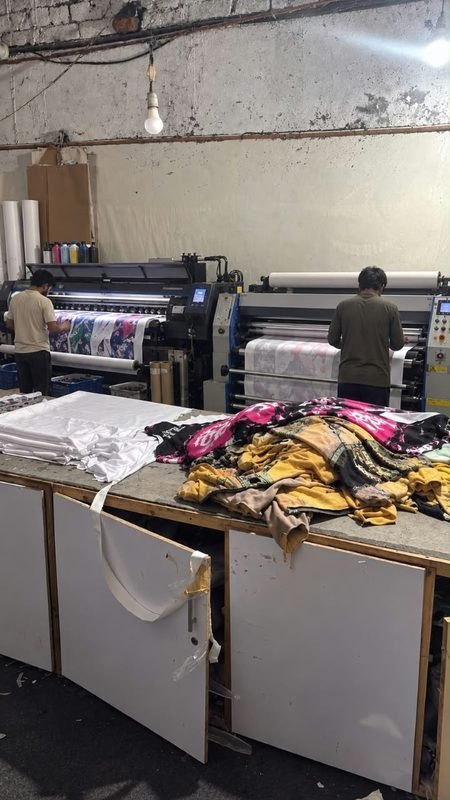
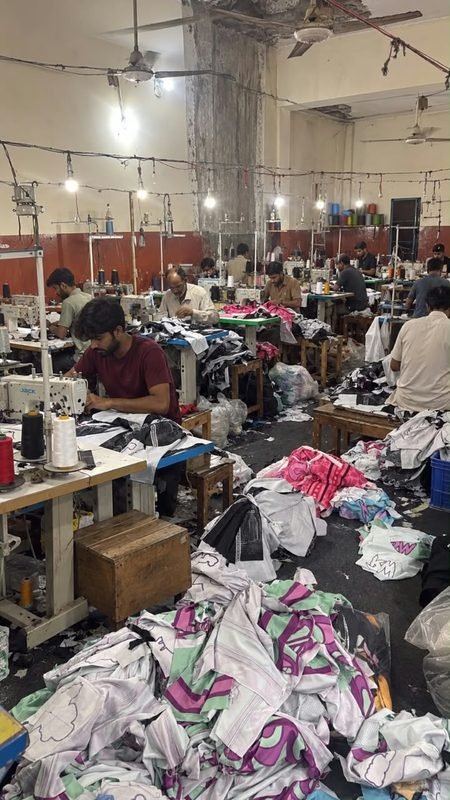

Complete Clothing Manufacturing Artwork, Printing, Design, Color and Size Guide for International Brands
1. Complete Artwork Guide for Custom Clothing Manufacturing
Professional garment manufacturing begins with accurate artwork. Whether a startup is launching its first streetwear collection or an established fashion label is preparing a bulk order, artwork determines how a design is translated into physical clothing.
Working with an International Clothing Manufacturer allows brands to coordinate garment artwork, decoration methods, technical specifications, labels and production requirements through an organized manufacturing process.
Elahi Vertex International, based in Sialkot, Pakistan, provides custom apparel manufacturing, OEM/ODM development and private-label production services for international B2B buyers.
A Global Apparel Manufacturer should review artwork for production suitability before confirming the decoration technique, placement, dimensions and final quotation.
Types of Artwork Used in Clothing Manufacturing
| Artwork type | Purpose | Common applications |
|---|---|---|
| Vector artwork | Scalable graphics with defined paths | Logos, typography, embroidery preparation |
| Raster artwork | Pixel-based images | Photographic prints, detailed illustrations |
| Technical flats | Front, back and side garment drawings | Pattern and construction instructions |
| Fashion illustrations | Visual presentation of garment concepts | Collection development |
| Placement artwork | Exact position and dimensions of designs | Chest, back, sleeves and legs |
| Repeat patterns | Repeating graphic elements | All-over prints and patterned fabrics |
| Seamless patterns | Continuous repeat without visible boundaries | Sublimation and fabric printing |
| Color-separated artwork | Individual color components | Screen-printing preparation |
| Embroidery digitizing files | Machine-readable stitch instructions | Logo and decorative embroidery |
| Appliqué artwork | Shapes and cutting outlines | Chenille, twill and fabric patches |
| Rhinestone templates | Placement coordinates for stones | Decorative streetwear |
| Reflective graphics | Artwork intended for reflective materials | Sportswear and technical garments |
| Laser-cut artwork | Cutting paths | Leather, appliqué and specialty trims |
| Embossing/debossing artwork | Raised or recessed design preparation | Leather jackets and patches |
| Label artwork | Brand identity and product information | Neck labels, care labels, hangtags |
| Packaging artwork | Branded packaging graphics | Bags, boxes and inserts |
| 3D garment renders | Digital visualization | Pre-sample design reviews |
| Tech-pack drawings | Manufacturing specifications | OEM/ODM development |
An International Clothing Manufacturer should confirm which artwork files are suitable for the intended manufacturing process. A visually attractive design is not automatically production-ready.
Recommended Artwork File Formats
- AI: Adobe Illustrator vector files.
- EPS: Scalable vector artwork.
- SVG: Vector graphics, subject to production-software compatibility.
- PDF: Technical specifications and vector artwork when properly exported.
- PSD: Layered Photoshop artwork.
- PNG: Raster graphics with transparency.
- TIFF: High-resolution raster artwork.
- JPG/JPEG: Visual references and photographs.
- DXF: Selected cutting and pattern-development workflows.
- DST: Common embroidery machine stitch format.
- PES: Embroidery format supported by certain machine systems.
- OBJ/FBX: Selected 3D garment visualization workflows.
File acceptance depends on the equipment and software used. A Global Apparel Manufacturer should request editable source files whenever practical, rather than relying only on compressed screenshots.
2. Complete Clothing Printing Methods and Design Applications
Printing is a major component of private-label apparel manufacturing. The correct technique depends on fabric composition, artwork complexity, color requirements, expected durability, production quantity and the desired surface finish.
Elahi Vertex International offers custom apparel decoration options, including screen printing, DTF, DTG, sublimation and selected specialty printing techniques.
An International Clothing Manufacturer should help buyers evaluate the most suitable printing process rather than recommending one method for every garment.
Comprehensive Garment Printing and Decoration Guide
| Printing or decoration method | Typical application | Important consideration |
|---|---|---|
| Screen printing | T-shirts, hoodies, sweatshirts | Screens and setup affect economics |
| Plastisol screen printing | Bold garment graphics | Ink deposit and curing |
| Water-based printing | Soft-hand fabric graphics | Fabric compatibility |
| Discharge printing | Selected dyed cotton fabrics | Dye compatibility and testing |
| Puff printing | Raised streetwear graphics | Heat and dimensional stability |
| High-density printing | Raised structured graphics | Layer buildup and edge definition |
| DTF printing | Multicolor garment designs | Transfer adhesion and wash testing |
| DTG printing | Detailed cotton-rich garment graphics | Pretreatment and fabric compatibility |
| Dye sublimation | Polyester sportswear | Fabric composition and color behavior |
| Heat-transfer printing | Logos and graphic transfers | Temperature, pressure and durability |
| Vinyl heat transfer | Names, numbers and lettering | Material selection and adhesion |
| Reflective transfer | Sportswear and visibility details | Reflectivity and wash performance |
| Foil printing | Metallic decorative effects | Foil adhesion and care requirements |
| Metallic ink printing | Shimmering graphics | Ink type and curing |
| Glitter printing | Decorative fashion graphics | Particle retention |
| Silicone printing | Flexible raised branding | Substrate compatibility |
| Rubberized printing | Textured logos | Hand feel and durability |
| Glow-in-the-dark printing | Specialty graphics | Performance after light exposure |
| Fluorescent printing | Bright fashion graphics | Color and wash stability |
| Photochromic printing | Light-reactive designs | Light response and durability |
| Thermochromic printing | Temperature-reactive graphics | Temperature sensitivity |
| All-over printing | Large-area garment graphics | Pattern alignment |
| Digital textile printing | Detailed fabric patterns | Fabric pretreatment and fixation |
| Rotary screen printing | Repeated fabric designs | Production scale and setup |
| Pigment printing | Selected textile surfaces | Binder performance |
| Reactive dye printing | Suitable cellulosic fabrics | Fixation and washing processes |
| Acid dye printing | Selected nylon, silk or wool fabrics | Fiber compatibility |
| Flock printing | Velvet-like raised graphics | Flock adhesion |
| Distressed printing | Vintage streetwear effects | Intentional variation |
| Crack-effect printing | Aged graphic appearance | Controlled cracking |
| 3D gel printing | Glossy dimensional details | Gel application and curing |
| Reflective ink printing | Selected graphic applications | Tested reflectivity requirements |
Manufacturing clarification: This table explains industry decoration methods. It does not mean every listed method is currently performed in-house by Elahi Vertex International. Specialist methods must be confirmed before quotation.
How Should Brands Choose a Printing Method?
For a startup ordering oversized cotton T-shirts, screen printing, DTF or DTG may be considered depending on the artwork and quantity.
For polyester sportswear, sublimation may provide an effective solution when the fabric and design are compatible.
For premium streetwear, puff printing, embroidery, appliqué or selected specialty finishes can create additional texture and visual differentiation.
A Global Apparel Manufacturer should consider print durability, fabric compatibility, artwork resolution, cost and the intended retail positioning.
3. Complete Embroidery and Decorative Artwork Guide
Embroidery can create a premium appearance for clothing brands, sports teams, uniforms and fashion collections.
Elahi Vertex International offers embroidery and selected decorative branding services for custom apparel.
An International Clothing Manufacturer should assess the garment material, logo size, stitch density, backing requirements and decoration placement before approving embroidery production.
Common Embroidery and Appliqué Techniques
- Flat embroidery.
- 3D puff embroidery.
- Satin-stitch embroidery.
- Fill-stitch embroidery.
- Chain-stitch embroidery.
- Chenille embroidery.
- Appliqué embroidery.
- Tackle twill appliqué.
- Patch embroidery.
- Woven patches.
- Embroidered patches.
- Sequin embroidery.
- Metallic-thread embroidery.
- Tonal embroidery.
- Multicolor embroidery.
- Monogram embroidery.
- Small-logo embroidery.
- Large back-panel embroidery.
- Sleeve embroidery.
- Cap embroidery.
- Leather-patch branding.
- Combination print-and-embroidery designs.
Some techniques require specialist machinery, outsourced components or additional testing. Availability must be confirmed for the specific project.
Embroidery Artwork Requirements
A suitable embroidery brief should include:
- Logo artwork.
- Finished embroidery width and height.
- Thread colors.
- Placement measurements.
- Garment fabric composition.
- Stitch-style preference.
- Backing and finishing requirements.
- Expected wash and wear conditions.
- Approval sample requirements.
A Global Apparel Manufacturer should explain that embroidery files are not simply converted from artwork without technical preparation. Digitizing determines stitch paths, density, underlay and other production parameters.
4. Complete Clothing Color Guide for International Brands
Color consistency is essential for private-label clothing manufacturing. Brands often need garment fabric, ribbing, embroidery thread, printed graphics, labels and packaging to follow a coordinated color specification.
An International Clothing Manufacturer should establish clear color references before bulk production.
Common Color Systems Used in Apparel
| Color system | Primary use | Manufacturing guidance |
|---|---|---|
| Pantone FHI TCX | Textile color references | Useful for fabric color development |
| Pantone FHI TPG | Fashion and product color references | Confirm material suitability |
| Pantone PMS | Graphic and print color references | Useful for printed branding |
| CMYK | Process printing | Output depends on printer and substrate |
| RGB | Digital screens | Not a physical production standard |
| HEX | Website and digital graphics | Convert through a controlled color workflow |
| CIELAB | Numerical color measurement | Useful for agreed color-difference assessment |
| Spectrophotometer readings | Objective color evaluation | Requires agreed measurement conditions |
| Physical swatches | Material approval | Important for final buyer confirmation |
| Lab dips | Fabric dye-color development | Used before bulk fabric approval |
Popular Color Families for Clothing Brands
Neutral colors: Jet black, washed black, charcoal, graphite, heather grey, ash grey, ivory, off-white, cream, beige, stone and taupe.
Earth tones: Chocolate brown, mocha, camel, khaki, olive, forest green, sand, rust and terracotta.
Streetwear colors: Vintage black, faded grey, washed navy, burgundy, dusty pink, muted purple and mineral green.
Sportswear colors: Royal blue, navy, red, bright green, neon yellow, orange, white and black.
Premium fashion colors: Bone white, espresso, deep burgundy, midnight navy, dark olive and warm grey.
These are descriptive color names, not exact manufacturing specifications. A Global Apparel Manufacturer should request a physical reference or defined color code when precise matching is important.
How to Approve Clothing Colors Before Production
- Identify the intended fabric composition.
- Select a suitable color reference.
- Request available fabric swatches or lab dips.
- Review color under appropriate lighting.
- Compare fabric and ribbing.
- Check printed artwork and embroidery thread.
- Approve a physical sample where required.
- Record the final color reference in the tech pack.
- Establish acceptable color variation.
- Retain an approved reference for bulk inspection.
Exact color matching across different materials cannot be assumed. Cotton fleece, polyester, leather, embroidery thread and printed ink may reflect light differently.
5. Complete Garment Design Guide for OEM/ODM Manufacturing
A clothing design includes more than the printed artwork. The garment silhouette, fabric, construction, fit, stitching and finishing all affect the final product.
An International Clothing Manufacturer should translate the approved design into practical production specifications.
Common Garment Silhouettes and Fits
| Design category | Available design concepts |
|---|---|
| T-shirts | Oversized, boxy, regular, slim, cropped, drop-shoulder |
| Hoodies | Pullover, zip-up, heavyweight, cropped, oversized |
| Sweatshirts | Crewneck, oversized, raglan, panelled |
| Joggers | Relaxed, tapered, straight-leg, wide-leg |
| Tracksuits | Full-zip, pullover, fitted, relaxed |
| Shorts | Athletic, mesh, running, casual, cargo |
| Jackets | Bomber, varsity, leather, puffer, windbreaker |
| Sportswear | Jerseys, training tops, shorts, uniforms |
| Activewear | Leggings, sports bras, compression tops |
| Boxing wear | Boxing shorts, robes, training apparel |
| Teamwear | Jerseys, tracksuits, training kits |
| Streetwear | Washed garments, graphic sets, cargo styles |
Garment Construction Details
Brands may specify:
- Crew necks, V-necks and mock necks.
- Ribbed collars, cuffs and waistbands.
- Drop shoulders and raglan sleeves.
- Set-in sleeves.
- Kangaroo pockets.
- Zipper pockets.
- Side-seam pockets.
- Cargo pockets.
- Double-layer hoods.
- Drawstrings and metal eyelets.
- Contrast panels.
- Piping and binding.
- Decorative topstitching.
- Flatlock seams.
- Coverstitch seams.
- Overlock seams.
- Reinforced stress points.
- Custom zipper pulls.
- Decorative patches.
- Distressed or washed effects.
Each design must be assessed for production feasibility and pricing.
A Global Apparel Manufacturer should identify construction details that influence fabric consumption, sewing time, trim sourcing and quality-control requirements.
6. Complete Fabric Selection and GSM Guide
Fabric selection affects garment comfort, appearance, weight, durability, shrinkage and manufacturing cost.
An International Clothing Manufacturer should review both fabric composition and construction before recommending a material for a custom apparel collection.
Common Fabrics Used in Clothing Manufacturing
| Fabric | Common applications |
|---|---|
| Cotton single jersey | T-shirts |
| Combed cotton jersey | Premium casualwear |
| Cotton-polyester jersey | Casual and sportswear |
| French terry | Sweatshirts, hoodies, joggers |
| Brushed fleece | Warm hoodies and sweatshirts |
| Interlock knit | Structured knit garments |
| Rib knit | Collars, cuffs, fitted apparel |
| Piqué | Polo shirts |
| Polyester interlock | Sportswear |
| Polyester mesh | Jerseys and training apparel |
| Polyester-spandex blends | Activewear |
| Nylon-spandex blends | Performance apparel |
| Tricot | Tracksuits and sportswear |
| Velour | Premium tracksuits |
| Waffle knit | Casualwear |
| Twill | Workwear, trousers and jackets |
| Denim | Jeans and streetwear |
| Canvas | Jackets and structured garments |
| Corduroy | Casual jackets and trousers |
| Satin | Linings and fashion garments |
| Faux leather | Fashion outerwear |
| Genuine leather | Selected jackets and leather garments |
Illustrative Fabric GSM Ranges
| Product | Example GSM range |
|---|---|
| Lightweight T-shirt | 140–180 GSM |
| Midweight T-shirt | 180–220 GSM |
| Heavyweight oversized T-shirt | 220–300 GSM |
| Lightweight hoodie | 240–300 GSM |
| Midweight hoodie | 300–380 GSM |
| Heavyweight hoodie | 380–500 GSM |
| Extra-heavyweight hoodie | 500+ GSM |
| Sportswear jersey | 120–200 GSM |
| Activewear fabric | 180–300 GSM |
| Jogger fabric | 240–400 GSM |
| Velour tracksuit fabric | 250–350 GSM |
These are illustrative industry ranges, not guaranteed material availability or product specifications.
Fabric weight alone does not determine quality. Fiber composition, yarn quality, knitting structure, finishing, shrinkage, pilling resistance and garment construction also matter.
A Global Apparel Manufacturer should provide project-specific fabric information before final production approval.
7. Complete Clothing Size Chart and Measurement Guide
Accurate sizing is essential for clothing brands selling internationally.
A size label such as Medium or Large does not have a universal measurement across all brands or countries.
An International Clothing Manufacturer should produce garments according to an approved measurement specification rather than assuming that US, UK, German and European size labels are interchangeable.
Essential T-Shirt Measurements
- Chest width.
- Body length.
- Shoulder width.
- Sleeve length.
- Sleeve opening.
- Neck width.
- Front neck drop.
- Bottom hem width.
Essential Hoodie Measurements
- Chest width.
- Body length.
- Shoulder width.
- Sleeve length.
- Sleeve opening.
- Bottom hem width.
- Hood height.
- Hood width.
- Cuff dimensions.
- Kangaroo-pocket placement.
Essential Jogger Measurements
- Waist relaxed.
- Waist stretched.
- Hip width.
- Front rise.
- Back rise.
- Thigh width.
- Knee width.
- Inseam.
- Outseam.
- Leg opening.
Essential Jacket Measurements
- Chest width.
- Shoulder width.
- Jacket length.
- Sleeve length.
- Armhole.
- Hem width.
- Collar dimensions.
- Cuff dimensions.
- Zipper length.
Example Size Chart — Oversized T-Shirt
Illustrative measurements in centimeters, not an approved Elahi Vertex International production chart.
| Size | Chest width | Body length | Shoulder | Sleeve |
|---|---|---|---|---|
| S | 54 | 69 | 52 | 21 |
| M | 57 | 72 | 55 | 22 |
| L | 60 | 75 | 58 | 23 |
| XL | 63 | 78 | 61 | 24 |
| XXL | 66 | 81 | 64 | 25 |
Example Size Chart — Hoodie
Illustrative measurements in centimeters.
| Size | Chest width | Body length | Shoulder | Sleeve |
|---|---|---|---|---|
| S | 56 | 67 | 53 | 58 |
| M | 59 | 70 | 56 | 59 |
| L | 62 | 73 | 59 | 60 |
| XL | 65 | 76 | 62 | 61 |
| XXL | 68 | 79 | 65 | 62 |
Measurement Tolerances
Measurement tolerances should be agreed before bulk production.
For selected key measurements, a tolerance such as ±1 cm may be proposed, subject to the garment type, fabric behavior and buyer approval.
Different measurements may require different tolerances.
A Global Apparel Manufacturer should establish consistent measurement points, garment-laying procedures and inspection criteria.
8. Complete Tech Pack Guide for Clothing Manufacturing
A tech pack is the technical document used to communicate garment specifications to a manufacturer.
An International Clothing Manufacturer should review the tech pack before providing a final production quotation.
What Should a Complete Tech Pack Include?
- Brand name and product identification.
- Product description.
- Front and back technical drawings.
- Garment measurements.
- Size grading.
- Fabric composition.
- Fabric GSM.
- Fabric color references.
- Print artwork.
- Print dimensions.
- Embroidery artwork.
- Decoration placement.
- Stitching and seam specifications.
- Neck labels.
- Care labels.
- Hangtags.
- Packaging requirements.
- Hardware and trims.
- Approved sample references.
- Quality-control requirements.
- Measurement tolerances.
- Order quantities.
- Destination country.
- Target production timeline.
- Revision and approval history.
A Global Apparel Manufacturer can use this information to identify missing details, manufacturing risks and cost drivers.
Why Tech Packs Matter for Startup Brands
A tech pack reduces ambiguity between the buyer’s design expectations and the factory’s production instructions.
Without a complete technical specification, manufacturers may need to make assumptions about measurements, decoration placement, construction or finishing.
For startups, preparing a clear tech pack before sampling can reduce avoidable revisions and delays.
9. Artwork Approval and Pre-Production Quality Control
Artwork approval should occur before bulk printing, embroidery or garment decoration begins.
An International Clothing Manufacturer should establish a clear approval process for custom artwork and physical samples.
Recommended Approval Workflow
- Receive original artwork and garment specifications.
- Check artwork quality and dimensions.
- Confirm the selected decoration method.
- Review fabric compatibility.
- Prepare technical placement information.
- Confirm color references.
- Produce a test or sample where required.
- Review the sample with the buyer.
- Record approved changes.
- Confirm the final production specification.
- Begin bulk production after the required commercial approvals.
- Inspect finished garments against the approved requirements.
A Global Apparel Manufacturer should not treat a digital mockup as proof that a physical print, embroidery design or garment construction will match perfectly.
Physical sampling and agreed inspection standards remain important.
10. Why Choose Elahi Vertex International for Custom Artwork and Apparel Manufacturing?
Elahi Vertex International provides custom apparel manufacturing, OEM/ODM and private-label services from Sialkot, Pakistan.
For international clothing brands, the company can discuss garment development, sampling, fabric sourcing, printing, embroidery, custom branding, production and export coordination.
Its standard MOQ is 20 pieces per product/category.
Manufacturing and Branding Services
- Custom garment pattern development.
- Fabric and trim sourcing.
- Garment cutting and stitching.
- Custom screen printing.
- DTF and DTG printing.
- Sublimation printing.
- Embroidery and appliqué options.
- Selected puff and specialty decoration.
- Reflective and rhinestone applications.
- Private-label neck and care labels.
- Hangtags and custom packaging.
- Garment finishing and quality inspection.
- Pre-shipment photographs and videos.
- International shipping coordination.
Not every specialty process is necessarily performed entirely in-house. Production arrangements and availability should be confirmed for each project.
International Buyers We Serve
USA: Streetwear startups, premium hoodie brands, private-label apparel businesses, sportswear labels and e-commerce sellers.
UK: Independent fashion brands, Shopify businesses, streetwear startups, gymwear brands and clothing retailers.
Germany: Private-label clothing brands, custom sportswear businesses, fashion startups and apparel sourcing professionals.
Europe: Clothing brands, wholesalers, sports clubs, online retailers and businesses seeking OEM/ODM garment manufacturing.
As an International Clothing Manufacturer, Elahi Vertex International can review custom artwork, technical specifications and production requirements for international B2B projects.
A Global Apparel Manufacturer should help buyers assess manufacturing feasibility, not simply promise that every design can be produced at any quantity or deadline.
11. Additional Buyer FAQs — Artwork, Printing, Colors and Sizes
1. Can an International Clothing Manufacturer work from my logo?
Yes. Manufacturers can review logo artwork and recommend suitable decoration methods based on the garment, material, size and design.
2. Can a Global Apparel Manufacturer manufacture clothing from a tech pack?
Yes, when the specifications are complete and the manufacturer has suitable production capabilities.
3. Which artwork format is best for clothing printing?
Editable vector files are generally useful for logos and flat graphics, while high-resolution raster files may be appropriate for photographic designs.
4. Can I use a PNG file for garment printing?
Yes, for suitable processes, provided its resolution, transparency and dimensions meet production requirements.
5. Can manufacturers print detailed photographic designs?
Yes. DTG, DTF and selected digital textile-printing processes may support detailed images, depending on fabric and artwork requirements.
6. Can an International Clothing Manufacturer produce puff printing?
Puff printing is a common specialty decoration method. Elahi Vertex International can review applicable puff-printing requirements for suitable garments.
7. Can a Global Apparel Manufacturer provide custom embroidery?
Many apparel manufacturers offer embroidery. Elahi Vertex International includes embroidery among its custom branding options.
8. What is the difference between DTF and DTG?
DTF uses a printed transfer applied to fabric, while DTG prints directly onto the garment. Fabric compatibility, hand feel and production economics differ.
9. Is sublimation suitable for cotton T-shirts?
Conventional dye sublimation is primarily suited to compatible polyester-based materials, rather than untreated cotton fabric.
10. Can I request Pantone colors for my clothing brand?
Yes. Buyers can provide suitable Pantone references, but physical fabric and print approvals remain important.
11. Can an International Clothing Manufacturer match fabric and embroidery colors?
A manufacturer can coordinate color references, but exact visual matching across different materials requires evaluation and agreed tolerances.
12. Can a Global Apparel Manufacturer produce oversized T-shirts?
Yes, provided the manufacturer has the appropriate pattern development, fabric sourcing and sewing capabilities.
13. Can I create my own hoodie size chart?
Yes. Brands can submit custom measurement specifications and size grading for manufacturer review.
14. Are US and European clothing sizes identical?
No. Size labels and fit expectations vary by brand and market. Approved garment measurements are more reliable than generic size conversions.
15. Can I combine printing and embroidery on one garment?
Yes, when the artwork, fabric and production sequence are compatible.
16. Can an International Clothing Manufacturer create custom labels?
Elahi Vertex International offers private-label branding options, including garment labels and hangtags, subject to the agreed specifications.
17. Can a Global Apparel Manufacturer create all-over printed sportswear?
All-over printing can be produced using suitable textile-printing processes. The method depends on fabric, pattern design and garment construction.
18. Can I order multiple garment colors?
Color options depend on fabric availability, dyeing requirements, quantities and the approved order specification.
19. What is the MOQ for custom clothing at Elahi Vertex International?
The standard MOQ is 20 pieces per product/category. Specific color or material requirements may affect feasibility.
20. Can I request an artwork sample before bulk production?
Yes. Buyers can discuss paid samples and artwork approval procedures before committing to bulk manufacturing.
21. Can an International Clothing Manufacturer help with startup garment development?
Elahi Vertex International offers OEM/ODM and private-label manufacturing discussions for startup clothing brands.
22. Can a Global Apparel Manufacturer support urgent custom clothing orders?
Urgent orders can be assessed according to product complexity, material availability, quantity and production scheduling. Deadlines require written confirmation.
23. Can I request custom packaging for my brand?
Yes. Elahi Vertex International can discuss branded packaging, labels and hangtags based on the project.
24. Can I use the same artwork across hoodies, T-shirts and tracksuits?
Often yes, but artwork dimensions, placement and decoration methods may need adjustment for each garment.
25. How do I request a custom clothing quotation?
Send your garment designs, artwork, quantity, fabric requirements, size chart, branding details and destination country to Elahi Vertex International.
Request Custom Artwork, Printing or Clothing Manufacturing
Looking for an International Clothing Manufacturer to develop your next collection?
Elahi Vertex International offers OEM/ODM and private-label apparel manufacturing for startups, clothing brands, wholesalers and international B2B buyers.
From custom garment designs and fabric specifications to printing, embroidery, labels, packaging and production coordination, buyers can discuss their requirements directly with the manufacturing team.
Standard MOQ: 20 pieces per product/category.
Website: https://www.elahivertexinternational.com/
WhatsApp: https://wa.me/message/OWIPAIXYWHTPI1
Email: elahivertexinternational@gmail.com
Send your artwork, product requirements, quantities and destination country to request a quotation.

Private Label Clothing Manufacturer for USA, UK and European Brands — Why Choose Elahi Vertex International?
30 Reasons USA Clothing Brands Need a Reliable International Clothing Manufacturer
The United States is a priority market for Elahi Vertex International. American clothing startups, independent fashion labels, Shopify stores, sportswear brands and established retailers need manufacturing partners that understand custom product development, private-label branding and international sourcing.
An International Clothing Manufacturer can help US buyers develop original garments without operating their own manufacturing facility. A Global Apparel Manufacturer should also support clear specifications, sample approvals, quality expectations and shipping coordination.
30 Manufacturing Priorities for USA Clothing Brands
- Private-label clothing development: Manufacture custom garments under the American buyer’s brand identity.
- Startup clothing production: Develop first collections for emerging US fashion businesses.
- Shopify clothing brands: Support custom apparel production for online clothing stores.
- Streetwear manufacturing: Produce oversized T-shirts, hoodies, joggers and coordinated sets.
- Custom hoodie manufacturing: Develop garments with specified fleece, GSM, fit and branding.
- Premium oversized T-shirts: Create custom patterns, necklines, shoulder drops and garment lengths.
- Sportswear production: Manufacture jerseys, training apparel and sports-related clothing.
- Gymwear manufacturing: Develop activewear and fitness apparel according to approved specifications.
- Teamwear and uniforms: Produce custom sports uniforms with team logos, numbers and colors.
- Boxing apparel: Develop boxing shorts, robes and related training garments.
- Custom leather jackets: Discuss bomber jackets, varsity styles and other leather garments.
- OEM clothing manufacturing: Produce garments from buyer-approved designs and technical specifications.
- ODM clothing development: Support brands requiring additional design-development assistance.
- Private-label branding: Add approved neck labels, care labels, hangtags and packaging.
- Screen printing: Apply custom graphics to suitable garments.
- DTF printing: Produce detailed multicolor transfers for compatible apparel.
- DTG printing: Apply selected direct-to-garment designs.
- Sublimation printing: Develop suitable polyester sportswear and printed garments.
- Embroidery: Add custom logos, lettering and decorative branding.
- Puff and specialty printing: Evaluate raised and textured graphic applications.
- Custom fabric selection: Compare cotton, fleece, French terry and performance fabrics.
- Pantone color coordination: Specify garment and artwork colors using suitable references.
- Custom US size charts: Develop garment measurements according to the brand’s fit requirements.
- Paid sample development: Review physical prototypes before bulk production.
- Low-MOQ manufacturing: Discuss qualifying orders under the standard 20-piece MOQ per product/category.
- Factory verification: Request business documentation and available production-viewing arrangements.
- Quality-control planning: Establish measurement, stitching, decoration and finishing requirements.
- Urgent production inquiries: Request a feasibility review for time-sensitive collections.
- International shipping coordination: Discuss shipment options and agreed delivery responsibilities for US destinations.
- Repeat-order manufacturing: Maintain approved specifications for restocks and future collections.
Why Should USA Brands Consider Elahi Vertex International?
Elahi Vertex International provides custom clothing manufacturing, OEM/ODM and private-label production services from Sialkot, Pakistan.
For American startups and established apparel businesses, the commercial opportunity is to combine custom product development, branded manufacturing, sampling and export coordination through a single manufacturing relationship.
An International Clothing Manufacturer should be evaluated on production suitability, communication, quality-control arrangements and total landed cost—not simply the lowest quoted garment price.
A Global Apparel Manufacturer should also help buyers establish repeatable specifications that support future collections.
US buyers can review the Elahi Vertex International manufacturing website and submit a manufacturing inquiry through WhatsApp.
30 Reasons UK Clothing Brands Need a Private Label Clothing Manufacturer
The United Kingdom is an important target market for Elahi Vertex International, particularly for streetwear startups, independent clothing labels, premium casualwear brands, Shopify businesses and sportswear companies.
A UK clothing business searching for an International Clothing Manufacturer should assess garment quality, custom branding, sampling, technical communication and import responsibilities.
A Global Apparel Manufacturer can provide production support while the British brand maintains control of its designs, retail positioning and customer relationships.
30 Manufacturing Priorities for UK Clothing Brands
- Independent clothing labels: Develop original products under the buyer’s brand.
- London streetwear startups: Produce custom hoodies, oversized T-shirts and coordinated collections.
- Manchester clothing brands: Support custom streetwear and casualwear production.
- Birmingham fashion businesses: Develop private-label clothing and branded collections.
- Leeds apparel startups: Discuss custom garment manufacturing and sampling.
- Liverpool streetwear brands: Produce buyer-designed casualwear and sportswear.
- Glasgow clothing labels: Support private-label clothing development.
- Edinburgh fashion startups: Discuss custom garments and branded production.
- Cardiff clothing businesses: Review OEM/ODM manufacturing requirements.
- Bristol independent brands: Develop customized apparel collections.
- Shopify UK stores: Support garment production for online clothing businesses.
- Premium hoodie collections: Develop custom fleece garments with specified construction.
- Oversized streetwear: Manufacture relaxed-fit T-shirts, sweatshirts and joggers.
- Custom tracksuits: Produce coordinated jackets and trousers.
- Velour clothing collections: Discuss fabric, fit, trims and custom branding.
- Leather bomber jackets: Develop selected custom leather outerwear.
- Gymwear brands: Manufacture fitness apparel according to approved requirements.
- Sports clubs: Produce customized teamwear and training apparel.
- University-related apparel: Discuss licensed or authorized branded garments.
- Private-label neck labels: Incorporate buyer-approved brand identification.
- Custom hangtags: Prepare branded product presentation.
- Embroidery and appliqué: Apply suitable premium garment decoration.
- Screen-printed streetwear: Produce custom graphic apparel.
- Puff-print hoodies: Evaluate raised lettering and specialty graphics.
- Custom UK size specifications: Manufacture to the buyer’s approved measurements.
- Paid sampling: Review physical garments before authorizing bulk production.
- Factory verification: Discuss available business documentation and live walkthrough arrangements.
- Low-MOQ startup orders: Evaluate qualifying 20-piece-per-category production requirements.
- UK import and shipping planning: Confirm freight, customs responsibilities and applicable delivery terms.
- Collection restocks: Support repeat production based on approved specifications.
Why Should UK Brands Consider Elahi Vertex International?
UK clothing brands often need a manufacturing partner that can discuss technical specifications clearly and provide a structured route from design to physical production.
Elahi Vertex International offers OEM/ODM and private-label clothing manufacturing for British B2B buyers.
An International Clothing Manufacturer can be particularly relevant for founders who have product designs but do not own garment-production facilities.
A Global Apparel Manufacturer should support product consistency through approved samples, documented measurements and clear commercial terms.
UK buyers should confirm the applicable import requirements through GOV.UK.
For garment manufacturing inquiries, visit Elahi Vertex International.
30 Reasons German and European Brands Need an International Clothing Manufacturer
Germany and wider Europe represent important markets for private-label clothing, sportswear, streetwear, premium casualwear and technical apparel.
European buyers evaluating an International Clothing Manufacturer should consider technical specifications, product labeling, quality-control procedures, material documentation and applicable import requirements.
A Global Apparel Manufacturer can support international production, but the importing brand must establish which legal and product requirements apply to its intended market.
30 Manufacturing Priorities for Germany and Europe
- German streetwear brands: Develop original hoodies, oversized T-shirts and fashion collections.
- Berlin fashion startups: Discuss OEM/ODM and private-label manufacturing.
- Hamburg clothing businesses: Develop branded casualwear and sportswear.
- Munich apparel labels: Review premium garment specifications and sampling.
- Frankfurt clothing startups: Explore private-label apparel development.
- Cologne fashion businesses: Discuss custom streetwear and branded production.
- Düsseldorf apparel brands: Develop original garment collections.
- Dutch clothing startups: Support custom apparel sourcing for the Netherlands.
- Amsterdam streetwear labels: Discuss oversized garments and private-label branding.
- Rotterdam fashion businesses: Review manufacturing and export requirements.
- French clothing brands: Develop buyer-designed apparel collections.
- Paris fashion startups: Discuss premium casualwear and custom outerwear.
- Italian apparel businesses: Evaluate custom garment production and branding.
- Milan fashion labels: Discuss garment construction, materials and finishing.
- Spanish clothing brands: Develop private-label streetwear and sportswear.
- Swedish fashion startups: Review custom apparel and garment-sourcing requirements.
- Danish clothing labels: Discuss heavyweight hoodies and premium casualwear.
- Belgian apparel businesses: Develop custom clothing and branded collections.
- Austrian clothing brands: Review OEM/ODM manufacturing options.
- Irish apparel startups: Discuss custom garment development and international shipping.
- European Shopify brands: Support manufacturing for direct-to-consumer clothing businesses.
- Private-label sportswear: Develop customized training garments and sports apparel.
- Custom embroidery: Apply brand logos and decorative stitching.
- Screen printing and DTF: Produce suitable custom garment graphics.
- Sublimation sportswear: Develop compatible polyester teamwear.
- Custom fabric specifications: Review composition, GSM, finishing and performance requirements.
- EU textile labeling: Plan appropriate fiber-composition and product information requirements.
- Factory verification: Review supplier documentation and production arrangements.
- Low-MOQ manufacturing: Discuss qualifying 20-piece-per-category orders.
- Repeat production and restocks: Maintain approved product specifications for future manufacturing.
Why Should German and European Brands Consider Elahi Vertex International?
Elahi Vertex International provides custom apparel manufacturing, OEM/ODM and private-label production services for international B2B buyers.
For German and European brands, a manufacturing relationship should begin with technical clarity: approved fabric specifications, measurement charts, decoration artwork, quality expectations and shipping responsibilities.
An International Clothing Manufacturer should be able to explain the manufacturing process and identify requirements that need confirmation before production.
A Global Apparel Manufacturer should not substitute general quality claims for documented product specifications and buyer-approved samples.
European importers can research applicable requirements through European Commission Access2Markets and EU textile labeling legislation.
Why Choose Elahi Vertex International as Your Private Label Clothing Manufacturer?
Elahi Vertex International is a Sialkot, Pakistan-based custom apparel manufacturer, exporter and OEM/ODM and private-label manufacturing partner.
The company serves international B2B clothing brands, startups, wholesalers, retailers, e-commerce businesses and sourcing professionals.
The purpose of private-label manufacturing is to help buyers develop clothing under their own brand identity while coordinating garment production with an external manufacturing partner.
15 Reasons to Consider Elahi Vertex International
- Custom apparel manufacturing: Develop garments according to buyer-approved requirements.
- OEM production: Manufacture clothing from supplied technical specifications.
- ODM support: Discuss garment development and design adaptation.
- Private-label branding: Incorporate custom labels, hangtags and packaging.
- Startup manufacturing: Support new brands preparing their first collection.
- Standard MOQ of 20 pieces: Offer a defined starting point per product/category.
- Paid sampling: Allow buyers to evaluate physical prototypes before bulk production.
- Fabric sourcing: Review material composition, GSM and suitable fabric options.
- Custom garment construction: Develop buyer-specific patterns, fits and details.
- Printing options: Discuss screen printing, DTF, DTG and sublimation.
- Embroidery and decoration: Review logos, patches and selected specialty applications.
- Quality-control planning: Establish garment inspection criteria and approval requirements.
- Factory verification options: Discuss business documentation, photographs and scheduled walkthroughs.
- International export coordination: Review available shipping arrangements for the destination country.
- Repeat-order support: Use approved specifications to plan future production.
Why Order From Elahi Vertex International Instead of an Unverified Supplier?
Choosing a private-label clothing manufacturer requires a commercial evaluation, not simply an attractive website or low unit price.
Elahi Vertex International offers buyers a defined manufacturing proposition: custom garment development, OEM/ODM services, private-label branding, paid sampling, a standard 20-piece MOQ per product/category and international export coordination.
An International Clothing Manufacturer should be willing to clarify its capabilities, commercial terms and production responsibilities before a buyer commits funds.
A Global Apparel Manufacturer should also support a documented approval process so buyers understand what will be manufactured, inspected and shipped.
Elahi Vertex International invites prospective buyers to request relevant verification materials, discuss their product specifications and obtain a written manufacturing quotation.
Our Manufacturing and Branding Capabilities
Elahi Vertex International’s product offerings include:
- Oversized T-shirts and streetwear.
- Hoodies and sweatshirts.
- Joggers and tracksuits.
- Sportswear and teamwear.
- Activewear and gymwear.
- Boxing wear.
- Leather jackets and selected leather garments.
- Private-label clothing collections.
Available decoration and branding discussions include screen printing, DTF, DTG, sublimation, embroidery, puff printing, heat transfer, reflective applications, selected specialty finishes, labels, hangtags and packaging.
The exact production location and in-house status of specialist processes should be confirmed for each order.
Factory Verification and Our Works
International buyers should review a manufacturer’s business identity, technical capabilities and sample quality before placing significant production orders.
Elahi Vertex International can discuss available business verification documents, production photographs, video walkthroughs and relevant manufacturing information.
Buyers can also explore the company’s Our Works portfolio and custom clothing manufacturing services.
A portfolio is useful for understanding a supplier’s advertised capabilities, but physical samples and project-specific verification remain important.
Request Private Label Clothing Manufacturing for Your Brand
Are you launching a clothing brand in the USA, UK, Germany or Europe?
Elahi Vertex International provides custom clothing manufacturing, OEM/ODM development and private-label production services for international B2B buyers.
Whether your project involves oversized streetwear, premium hoodies, sportswear, custom tracksuits or branded apparel, you can submit your requirements for manufacturing review.
Standard MOQ: 20 pieces per product/category.
Website: https://www.elahivertexinternational.com/
WhatsApp: https://wa.me/message/OWIPAIXYWHTPI1
Email: elahivertexinternational@gmail.com
Send your product type, artwork, quantity, specifications and destination country to request a quotation or discuss factory verification.
How to Start a Clothing Brand and Find a Reliable Private Label Manufacturer
1. How to Start a Clothing Brand From Scratch
Starting a clothing brand requires a clear target customer, original product concept, realistic budget and dependable manufacturing arrangements.
For founders in the USA, UK, Germany and Europe, choosing an International Clothing Manufacturer is an important step between designing a collection and launching products for sale.
Elahi Vertex International supports custom clothing development, OEM/ODM manufacturing and private-label apparel production for international B2B buyers.
Before approaching a Global Apparel Manufacturer, founders should decide which product category they want to launch, who will purchase it and what makes their collection commercially distinctive.
2. How to Find a Clothing Manufacturer for a Startup
A startup should begin by identifying manufacturers that produce its intended garment category.
For example, a streetwear startup may need oversized T-shirts, heavyweight hoodies, joggers and custom embroidery, while an activewear brand may require stretch fabrics, specialized stitching and performance-focused construction.
When evaluating an International Clothing Manufacturer, request information about MOQ, sampling, fabric options, production capabilities, quality control and shipping.
A Global Apparel Manufacturer should be able to explain its production process and provide a quotation based on the buyer’s actual requirements.
3. Launching a Private Label Clothing Brand Without Owning a Factory
Private-label manufacturing allows entrepreneurs to develop clothing under their own brand identity while outsourcing garment production.
Founders can concentrate on design, marketing, customer acquisition and retail operations instead of purchasing industrial sewing equipment or managing a production facility.
Elahi Vertex International provides OEM/ODM and private-label manufacturing services for international clothing brands.
An International Clothing Manufacturer can support garment construction, customization and branding, while the buyer remains responsible for its business strategy and sales.
4. Starting a Streetwear Brand With Custom Hoodies and T-Shirts
Streetwear startups often begin with a focused collection of oversized T-shirts, hoodies, sweatshirts or joggers.
Before ordering, founders should confirm fabric weight, fit, artwork placement, decoration methods and intended retail pricing.
A Global Apparel Manufacturer should evaluate whether the chosen design can be manufactured consistently at the required quantity.
Elahi Vertex International can review custom streetwear manufacturing requirements, including embroidery, screen printing, DTF and selected specialty decoration methods.
5. Launching a Shopify Clothing Store With Private Label Products
A Shopify clothing store needs a reliable product supply chain in addition to its online storefront.
Entrepreneurs should finalize garment samples, size charts, product photographs, inventory quantities and fulfillment arrangements before advertising products for immediate delivery.
Working with an International Clothing Manufacturer can help founders coordinate physical garment development with their planned online launch.
Elahi Vertex International can discuss custom apparel manufacturing for Shopify startups seeking original branded products.
6. Low MOQ Clothing Manufacturing for New Brands
Minimum order quantity is a major consideration for startups with limited inventory budgets.
Elahi Vertex International’s standard MOQ is 20 pieces per product/category, subject to the manufacturing feasibility of the requested specifications.
A Global Apparel Manufacturer should explain whether fabric sourcing, customization or decoration setup creates additional quantity requirements.
Startup founders should calculate total production, sampling, shipping and import costs before deciding how many units to order.
7. How Much Does It Cost to Start a Private Label Clothing Brand?
Startup clothing costs vary according to garment type, fabric quality, customization, quantity, sampling, packaging, freight and applicable import charges.
A realistic budget should distinguish between one-time development costs and recurring production expenses.
An International Clothing Manufacturer can prepare a project-specific quotation after reviewing the buyer’s designs and specifications.
Founders should also reserve funds for product photography, e-commerce expenses, marketing, returns and working capital.
8. How to Prepare Designs Before Contacting a Clothing Manufacturer
A complete manufacturing inquiry should contain enough information for the supplier to understand the intended garment.
Recommended details include product sketches, reference photographs, artwork files, fabric preferences, measurements, colors, branding requirements and target quantity.
A Global Apparel Manufacturer may request additional technical information before providing a final quotation.
Elahi Vertex International can review buyer-supplied designs and discuss suitable OEM/ODM development arrangements.
9. How to Create a Clothing Tech Pack for Your First Collection
A clothing tech pack documents the garment specifications required for manufacturing.
It typically includes technical drawings, fabric composition, GSM, measurements, construction details, print placement, embroidery requirements, labels and packaging.
An International Clothing Manufacturer should use the approved tech pack as a production reference.
Startup brands without complete technical documentation should clarify the development work required before authorizing sampling.
10. Choosing the Right Fabric for a Startup Clothing Brand
Fabric affects garment comfort, durability, appearance, fit and manufacturing cost.
Cotton jersey may be suitable for casual T-shirts, French terry for selected sweatshirts, fleece for hoodies and compatible polyester blends for sportswear.
A Global Apparel Manufacturer should review fabric composition, construction, weight and finishing rather than recommending materials solely by GSM.
Elahi Vertex International can discuss suitable fabric options for custom apparel projects.
11. How to Create Custom Clothing Labels and Packaging
Private-label branding helps distinguish a clothing collection from generic wholesale garments.
Branding options can include woven neck labels, printed labels, care labels, hangtags, branded packaging and custom garment decorations.
An International Clothing Manufacturer should confirm branding specifications and applicable labeling requirements before production.
Elahi Vertex International offers private-label branding discussions as part of its custom apparel manufacturing services.
12. Why Clothing Startups Should Order Samples Before Bulk Production
A physical sample helps buyers evaluate garment construction, fabric, measurements, print quality, embroidery and overall appearance.
Digital mockups are useful for communicating design intent but do not replace physical production approval.
A Global Apparel Manufacturer should establish sample approval procedures before beginning bulk manufacturing.
Elahi Vertex International offers paid sampling. Sample production and shipping are payable upfront, and eligible sample production costs may be credited against qualifying bulk orders under agreed terms. Shipping is separate and not credited.
13. How to Verify an Overseas Clothing Manufacturer
Before transferring significant funds, buyers should verify the manufacturer’s business identity and relevant production capabilities.
Useful checks include business documentation, live factory walkthrough arrangements, production photographs, sample quality, written quotations and consistent communication.
An International Clothing Manufacturer should explain which processes are performed directly and which require specialist production partners.
Elahi Vertex International can discuss available factory-verification arrangements with prospective buyers.
14. Launching a Clothing Brand in the USA
American clothing startups should research customer demand, product positioning, fabric selection, labeling requirements and import costs.
An International Clothing Manufacturer can support custom apparel production, while the US importer remains responsible for its applicable regulatory obligations.
Elahi Vertex International can discuss streetwear, sportswear, hoodies, T-shirts and private-label clothing manufacturing for US buyers.
Founders can consult the Federal Trade Commission’s textile guidance when planning product labeling.
15. Launching a Clothing Brand in the UK
UK clothing startups may begin with streetwear, premium casualwear, sportswear or private-label fashion collections.
Before ordering overseas, buyers should establish approved specifications, sampling arrangements, production quantities and import responsibilities.
A Global Apparel Manufacturer should provide clear commercial terms and shipping information relevant to the buyer’s destination.
Elahi Vertex International can review custom clothing manufacturing inquiries from UK businesses.
16. Starting a Clothing Brand in Germany
German clothing founders should prioritize accurate product specifications, quality expectations, labeling and realistic landed-cost calculations.
Working with an International Clothing Manufacturer can provide access to custom garment development and outsourced production.
Elahi Vertex International offers OEM/ODM and private-label apparel manufacturing discussions for German brands.
Product requirements should be reviewed against applicable German and EU regulations before commercial distribution.
17. Launching a Clothing Brand Across Europe
European startups need to consider market positioning, customer preferences, product specifications, import procedures and applicable textile regulations.
A Global Apparel Manufacturer may support garment production and international shipping coordination, but compliance responsibilities must be clearly assigned.
Elahi Vertex International serves international B2B buyers seeking custom clothing manufacturing for European markets.
Buyers can consult European Commission Access2Markets for relevant import information.
18. How to Plan Your First Clothing Collection
A first collection should have a clear product concept rather than too many unrelated designs.
For example, a streetwear startup might test a coordinated hoodie and T-shirt concept before expanding into joggers, jackets and additional colorways.
An International Clothing Manufacturer can help assess the manufacturing requirements of each proposed product.
Elahi Vertex International can review the technical specifications and quantities for a planned collection.
19. How to Prepare for Your First Bulk Clothing Order
Before approving bulk manufacturing, the buyer should confirm the physical sample, final measurements, fabric, colors, artwork, labels, packaging, quantity, payment schedule and shipping arrangements.
A Global Apparel Manufacturer should document the agreed production requirements.
Elahi Vertex International can provide project-specific manufacturing quotations and discuss pre-shipment inspection arrangements.
For urgent orders, production feasibility and delivery timing should be confirmed before payment commitments.
20. How to Grow a Startup Clothing Brand Through Repeat Manufacturing
Long-term clothing brand growth depends on customer demand, product quality, inventory planning and consistent fulfillment.
Once a collection demonstrates demand, founders can plan restocks and additional products using documented specifications.
An International Clothing Manufacturer can support repeat production when the buyer maintains approved technical information and communicates future requirements.
Elahi Vertex International welcomes inquiries from international clothing brands planning first collections, additional production runs and long-term manufacturing relationships.
Why Choose Elahi Vertex International for Your Startup Clothing Brand?
Elahi Vertex International is a custom clothing manufacturer, exporter, OEM/ODM and private-label manufacturing partner based in Sialkot, Pakistan.
The company offers manufacturing services for streetwear, hoodies, sweatshirts, oversized T-shirts, joggers, tracksuits, sportswear, teamwear, activewear, boxing wear and selected leather garments.
Reasons to consider Elahi Vertex International include:
- Standard MOQ of 20 pieces per product/category.
- Custom OEM/ODM and private-label manufacturing.
- Paid sample development before bulk production.
- Fabric selection and custom garment construction.
- Screen printing, DTF, DTG, sublimation and embroidery options.
- Custom labels, hangtags and packaging.
- Factory-verification discussions.
- Quality-control and pre-shipment review arrangements.
- International shipping coordination.
- Support for repeat-order planning.
As an International Clothing Manufacturer, Elahi Vertex International can review manufacturing requirements from startups and established clothing brands in the USA, UK, Germany and Europe.
A Global Apparel Manufacturer should be selected based on verified capabilities, product suitability, transparent terms and approved sample quality.
Start Your Clothing Brand With Elahi Vertex International
Whether you are launching a Shopify clothing store, developing a premium streetwear label or looking for a private-label apparel manufacturer, Elahi Vertex International can review your project.
Standard MOQ: 20 pieces per product/category.
Website: https://www.elahivertexinternational.com/
WhatsApp: https://wa.me/message/OWIPAIXYWHTPI1
Email: elahivertexinternational@gmail.com
Send your garment designs, quantity, fabric preferences, customization requirements and destination country to request a manufacturing quotation.
20 Relevant External Links for Clothing Startups and Manufacturers
USA — Business Launch, Manufacturing and Compliance
- US Small Business Administration — Guidance for founders developing business plans, financing and launching clothing brands.
- US Patent and Trademark Office — Trademark registration and brand-name protection for new fashion labels.
- Federal Trade Commission — Clothing and Textiles — Apparel labeling, fiber descriptions, care instructions and marketing claims. Federal Trade Commission
- US Customs and Border Protection — Customs and import information for American apparel businesses.
- American Apparel & Footwear Association — Apparel-industry resources, policy and regulatory information.
UK — Startup Brands, Textile Labels and Imports
- Companies House — Business registration information for UK clothing founders.
- UK Intellectual Property Office — Trademark and intellectual-property guidance.
- UK Textile Labelling Guidance — Fiber-content labeling requirements for clothing sold in Great Britain. GOV.UK
- Import Goods Into the UK — Import procedures, customs duties and VAT considerations. GOV.UK
- British Fashion Council — UK fashion-industry initiatives and professional resources.
Germany and Europe — Sourcing, Product Rules and Brand Protection
- European Commission Access2Markets — Research import duties, product requirements and market access.
- EU Textile Regulation 1007/2011 — Legal reference for textile fiber names and labeling. single-market-economy.ec.europa.eu
- European Chemicals Agency — Chemical safety and REACH information relevant to textiles and accessories.
- EUIPO — European Union trademark and design protection.
- German Patent and Trade Mark Office — Trademark and design registration in Germany.
- OEKO-TEX — Textile testing and certification information.
- Textile Exchange — Textile materials and sustainability resources.
- International Organization for Standardization — International standards and technical references.
International Manufacturing and E-Commerce
- International Chamber of Commerce — Incoterms — Understand DAP, DDP and other international delivery responsibilities.
- Shopify Help Center — Practical guidance for launching and managing an online clothing store.
5 International Clothing Brands for Independent Industry Reference
Unisex Nike French Terry Hoodie – Courtside Team
1. Nike — USAOfficial website
Useful reference for sportswear categories, athletic silhouettes and product presentation. Elahi Vertex International can discuss custom sportswear manufacturing for brands developing their own original products.
Gymshark’s Huge Summer Sale Is Here: Score 60% Off Cult Favorites
2. Gymshark — UKOfficial website
Reference for gymwear, coordinated fitness collections and product differentiation. Gym Clothes & Workout Clothes
adidas Essentials 3-Stripes Track Suit – Black | Free Shipping with adiClub
3. Adidas — GermanyOfficial website
Reference for teamwear, tracksuits, sports apparel and coordinated collections.
4. Zara — SpainOfficial website
Reference for apparel assortment, collection presentation and fashion merchandising.
Carhartt WIP – OG Active Jacket “Dearborn” Canvas, 12 oz (Black Rinsed) | HHV
5. Carhartt WIP — EuropeOfficial website
Reference for streetwear silhouettes, workwear-inspired construction and seasonal clothing collections.
Elahi Vertex International — Internal Links to Add Throughout the Blog
Use these links contextually in the article rather than placing every link in one paragraph.
1. Elahi Vertex International — Official Website — Link when introducing the company as a custom apparel manufacturer, exporter and OEM/ODM partner.
2. How to Start a Clothing Brand in 2027 — Link in sections discussing startup brands, Shopify stores, first collections and manufacturing preparation. Best Startup Guide
3. Private Label Manufacturers: 9 Powerful Benefits for 2027 — Link in the private-label manufacturing, supplier selection and brand-development sections. ELAHI VERTEX INTERNATIONAL
Additional product-specific internal links should be inserted after confirming their published URLs.
Elahi Vertex International is a Sialkot, Pakistan-based custom clothing manufacturer, exporter, OEM/ODM and private-label manufacturing partner for international B2B buyers. Whether a startup in the USA is launching its first streetwear collection, a UK brand is developing premium hoodies or a German fashion business is searching for an International Clothing Manufacturer, Elahi Vertex International can review custom garment requirements, artwork, fabric specifications, sampling and production. As a Global Apparel Manufacturer serving international buyers, the company offers a standard MOQ of 20 pieces per product/category, paid sampling, custom branding and export coordination. Clothing brands can explore the company’s manufacturing services and request a quotation for their next collection.
Ready to Launch Your Clothing Brand? Manufacture With Elahi Vertex International
Your clothing brand deserves more than a supplier. It needs a manufacturing partner that understands your designs, quality expectations, budget and long-term growth.
Whether you are launching your first Shopify clothing store in the USA, developing a premium streetwear collection in the UK, sourcing private-label hoodies in Germany or expanding an established fashion brand across Europe, Elahi Vertex International is ready to discuss your manufacturing requirements.
Elahi Vertex International is a Sialkot, Pakistan-based International Clothing Manufacturer, exporter, OEM/ODM and private-label apparel manufacturing partner serving international B2B buyers.
As a Global Apparel Manufacturer, we support custom garment development, fabric selection, artwork preparation, sampling, printing, embroidery, private-label branding, production and international shipping coordination.
What Can We Manufacture for Your Brand?
- Custom hoodies, heavyweight sweatshirts and oversized T-shirts.
- Streetwear collections, joggers, tracksuits and matching sets.
- Activewear, gymwear, sportswear and teamwear.
- Boxing wear, uniforms and custom athletic apparel.
- Leather jackets, bomber jackets and varsity-style outerwear.
- OEM/ODM clothing and private-label collections.
- Custom embroidery, screen printing, DTF, DTG, sublimation and selected specialty finishes.
- Custom neck labels, care labels, hangtags and branded packaging.
Why Choose Elahi Vertex International?
Start with a manageable order. Our standard MOQ is 20 pieces per product/category, subject to design and material feasibility.
Develop your own brand identity. We manufacture custom garments according to agreed specifications rather than requiring you to sell generic wholesale products.
Review samples before bulk production. Paid sampling allows you to evaluate fit, fabric, construction, decoration and branding before approving production.
Verify your manufacturing partner. Discuss available factory walkthroughs, business documentation, production evidence and quality-control arrangements.
Plan for future collections. We can support manufacturing discussions for restocks, new designs and repeat orders.
Source internationally. We work with B2B buyers in the USA, UK, Germany and wider Europe, with shipping arrangements confirmed according to the order and destination.
Launching a Clothing Brand? Start Here.
If you are preparing your first collection, read our detailed guide:
How to Start Your Own Clothing Brand in 2027
Explore the benefits of working with a private-label manufacturer:
Private Label Manufacturers: 9 Powerful Benefits for 2027
Discover our company, manufacturing services and available information:
Elahi Vertex International — Official Website
Request Your Custom Clothing Manufacturing Quotation
Have a design, tech pack or clothing brand idea? Send it to us.
To help us prepare an accurate quotation, share:
- Product type — hoodie, T-shirt, tracksuit, sportswear, leather jacket or another garment.
- Artwork, reference images or tech pack.
- Quantity required.
- Fabric composition, GSM and preferred colors.
- Sizes and customization requirements.
- Branding, labels and packaging details.
- Destination country and target delivery date.
We can then review manufacturing feasibility, sampling, pricing and the next steps toward production.
Contact Elahi Vertex International
Official Website:
https://www.elahivertexinternational.com/
WhatsApp — Manufacturing Inquiries:
https://wa.me/message/OWIPAIXYWHTPI1
Email — General Inquiries:
info@elahivertexinternational.com
Email — Sales and Quotations:
sales@elahivertexinternational.com
Email — Founder / Business Inquiries:
mudabbir@elahivertexinternational.com
Alternative Email:
elahivertexinternational@gmail.com
Instagram — Manufacturing and Product Updates:
https://www.instagram.com/elahivertex.mfg/
Facebook — Company Updates:
https://www.facebook.com/elahivertexinternational
TikTok — Manufacturing Content:
https://www.tiktok.com/@elahivertex.mfg
YouTube — Company Videos:
https://www.youtube.com/@elahivertexinternational
Google Business Profile:
https://share.google/cV0PDjhumNOWMUQs9
Google Maps:
https://maps.app.goo.gl/g6GBhnJKUcSchC8R6
Manufacturing Location:
Sialkot, Punjab, Pakistan
Target Markets:
USA | UK | Germany | Netherlands | France | Italy | Spain | Sweden | Denmark | Belgium | Austria | Ireland | Wider Europe
Your Next Collection Starts With One Conversation
You do not need to own a clothing factory to build your own fashion brand. You need a product customers want, clear manufacturing specifications and a production partner capable of delivering against agreed requirements.
Whether you are comparing manufacturers, developing your first sample, preparing a bulk order or planning a restock, contact Elahi Vertex International with your project details.
Turn your clothing designs into a production-ready collection.
Request Your Manufacturing Quotation on WhatsApp
Elahi Vertex International — Where Brands Are Made.