


A premium streetwear hoodie can look excellent in a mockup and still become an expensive failure once it reaches production. Fabric that feels lighter than expected, uncontrolled shrinkage, weak ribbing, distorted oversized proportions, embroidery that pulls the fabric, inconsistent garment measurements, and poorly planned finishing can turn a strong collection concept into stock a brand struggles to sell.
That is why choosing the right heavyweight hoodie manufacturer involves considerably more than asking for a GSM number and a unit price.
For streetwear brands, heavyweight hoodies are particularly unforgiving. Their value comes from the complete garment: fabric density, hand feel, silhouette, hood construction, rib recovery, stitching, internal finishing, branding, decoration, wash behavior, and consistency from the approved sample to bulk production.
The same principle applies when developing custom heavyweight hoodies. A technically impressive fabric cannot compensate for a bad pattern. An excellent pattern cannot compensate for unstable fabric. And neither can protect the collection if the heavyweight hoodie manufacturing process does not translate the approved specification consistently into production.
Before selecting a custom hoodie manufacturer, buyers therefore need to evaluate the product as a complete manufacturing system rather than a collection of isolated specifications.
This becomes even more important when working with a private label hoodie manufacturer, because the finished garment carries the buyer’s identity. Customers do not see the supplier’s production problems. They see the streetwear brand’s name on the neck label.
This guide explains nine manufacturing mistakes premium streetwear brands should identify before approving sampling or bulk production.
Table of Contents
- Treating GSM as the Only Measure of Hoodie Quality
- Choosing the Wrong Fabric Construction
- Ignoring Shrinkage and Dimensional Stability
- Building the Wrong Oversized Fit
- Underestimating Hood, Rib and Structural Details
- Choosing Decoration Without Considering Heavyweight Fabric
- Approving a Sample Without Building a Production Specification
- Failing to Control Sample-to-Bulk Consistency
- Choosing a Heavyweight Hoodie Manufacturer Mainly on Price
- Heavyweight Hoodie Specification Checklist
- How to Compare Hoodie Manufacturers
- Sampling Before Bulk Production
- Quality Control for Premium Hoodies
- Private-Label and Branding Considerations
- International Buyer Considerations
- Why Work With Elahi Vertex International
- Frequently Asked Questions
- Final Buyer Checklist
- Conclusion
What Is a Heavyweight Hoodie?
A heavyweight hoodie is not defined by one universal GSM threshold.
GSM means grams per square metre and describes fabric mass per unit area. It is useful when specifying a hoodie, but it does not independently describe thickness, softness, warmth, drape, compactness, durability or overall garment quality.
Two fabrics with the same GSM can perform differently because of differences in:
- fibre composition;
- yarn characteristics;
- knit construction;
- loop or brushed backing;
- finishing;
- compactness;
- dyeing;
- washing;
- surface treatment; and
- production tolerances.
This distinction is essential when discussing requirements with a heavyweight hoodie manufacturer.
A buyer saying only, “I need a 450 GSM hoodie,” has not provided enough information to reproduce the intended product.
A better RFQ describes the target garment more completely.
For example:
Product: Oversized pullover hoodie
Target fabric: Heavyweight sweatshirt fabric
Target GSM: Project-specific
Composition: To be confirmed
Inside finish: Loopback or brushed fleece
Fit: Oversized/drop shoulder
Hood: Double-layer construction if required
Rib: Cuffs and waistband specification
Branding: Main label, size label and care label
Decoration: Embroidery, screen print or other selected method
Wash/finish: Project-specific
Packaging: Buyer specification
Destination: Import market
Quantity: Required quantity by colour and size
This gives a custom hoodie manufacturer something substantially more useful than a reference photograph and a GSM figure.
It also creates a stronger foundation for producing custom heavyweight hoodies consistently.

Mistake 1: Treating GSM as the Only Measure of Premium Hoodie Quality
One of the most common sourcing mistakes is assuming that a higher GSM automatically creates a better hoodie.
It does not.
GSM is an important specification, but it measures fabric mass rather than the complete quality of the finished garment.
A premium heavyweight hoodie manufacturer should therefore be evaluated on how the supplier interprets the full material specification, not merely whether it can source fabric with a particular GSM.
Why GSM Alone Can Mislead Streetwear Brands
Suppose two suppliers present fabrics described at the same nominal GSM.
Fabric A may feel compact, smooth and structured.
Fabric B may feel bulky but loose.
The numerical specification can look similar while the wearer experiences two substantially different products.
The difference may come from yarn, knitting, finishing, fibre composition or other variables.
This is why serious heavyweight hoodie manufacturing should begin with the target hand feel and product function as well as measurable specifications.
Streetwear brands should consider questions such as:
- Should the hoodie stand away from the body or drape?
- Should the exterior feel smooth or textured?
- Is the interior intended to be brushed or loopback?
- Is the garment intended primarily for winter use or year-round layering?
- Does the hood need enough structure to hold its shape?
- Will the fabric support dense embroidery?
- Is a washed or vintage appearance required?
- What shrinkage tolerance is acceptable?
- What level of pilling or colourfastness is expected?
Those questions influence the final garment far more than simply demanding the highest possible GSM.
Heavyweight Does Not Automatically Mean Premium
A poor-quality heavyweight fabric is still poor-quality fabric.
Adding mass does not automatically improve:
- fibre quality;
- dimensional stability;
- colourfastness;
- pilling resistance;
- seam construction;
- fit;
- rib recovery;
- decoration quality; or
- manufacturing consistency.
That distinction matters when sourcing custom heavyweight hoodies for a premium collection.
A buyer may spend additional money on heavier material while failing to improve the characteristics customers actually notice.
A better approach is to define the desired customer experience first.
Should the hoodie feel:
- dense?
- substantial?
- soft?
- dry?
- smooth?
- structured?
- vintage?
- rigid?
- relaxed?
- plush?
Once that is clear, the heavyweight hoodie manufacturer can be evaluated against an actual product objective rather than an arbitrary number.
Buyer Action
When requesting a quotation from a custom hoodie manufacturer, do not send only:
“Price for 500 GSM hoodie?”
Instead provide the construction, composition, target GSM, fit, finishing, decoration, quantity, size range, colours and destination.
That produces a much more commercially meaningful quotation.
Mistake 2: Selecting Fabric Without Understanding Construction
Fabric selection determines much of the character of custom heavyweight hoodies.
Streetwear buyers sometimes select material from photographs, GSM figures or short descriptions without considering how the fabric is actually constructed.
That is risky.
Brushed Fleece vs Loopback
Two common sweatshirt fabric directions are brushed fleece and loopback/French terry-type constructions.
Brushed Interior
A brushed interior can provide:
- softer internal hand feel;
- additional perceived warmth;
- plush appearance;
- winter-oriented positioning.
However, the exact performance depends on the fabric itself and its finishing.
Loopback Interior
Loopback construction exposes loops on the reverse side instead of creating the same brushed surface.
Depending on the specification, this can support:
- a different hand feel;
- different seasonal positioning;
- a less fluffy internal surface;
- a particular premium streetwear aesthetic.
Neither construction is automatically superior.
The correct choice depends on what the brand is trying to create.
A competent heavyweight hoodie manufacturer should therefore receive a clear material brief rather than being asked to choose whatever heavyweight fabric happens to be available.
Cotton and Blended Fabrics
Composition also matters.
Cotton-rich fabrics may be desirable for particular hand-feel and branding objectives. Blended constructions can be appropriate where the buyer wants a different balance of properties.
There is no universal “best” composition for every premium hoodie.
The buyer should specify the intended result and evaluate actual material samples.
This is particularly important for a private label hoodie manufacturer project because the material becomes part of the brand’s repeatable product specification.
If Collection One uses one fabric and Collection Two uses a noticeably different fabric without deliberate product development, customers may perceive inconsistency even if both garments technically meet a broad description such as “heavyweight cotton hoodie.”
Build a Fabric Specification
Before bulk heavyweight hoodie manufacturing, establish a fabric specification covering the relevant characteristics.
That may include:
| Specification | What Buyer Should Confirm |
|---|---|
| Fabric type | Sweatshirt fleece, loopback or required construction |
| Composition | Required fibre composition |
| GSM | Target and agreed tolerance |
| Surface | Smooth, washed, vintage or other finish |
| Interior | Brushed, loopback or other |
| Colour | Approved standard/reference |
| Hand feel | Target approved during sampling |
| Shrinkage | Agreed test/tolerance |
| Colour performance | Testing requirements where relevant |
| Pilling | Required performance/testing where relevant |
| Decoration compatibility | Print/embroidery requirements |
| Finish | Any garment or fabric treatment |
A custom hoodie manufacturer should not be expected to infer these requirements from an Instagram photograph.
A photograph communicates design direction. It does not constitute a complete manufacturing specification.
Mistake 3: Ignoring Shrinkage and Dimensional Stability
This is one of the most commercially dangerous mistakes in heavyweight hoodie manufacturing.
A hoodie can pass visual inspection immediately after production and still disappoint customers after laundering if the garment changes dimensions beyond the expected tolerance.
International textile standards exist specifically to evaluate dimensional change. ISO 5077 describes a method for determining dimensional change in fabrics, garments and textile articles after specified washing and drying procedures, while ISO 6330 specifies domestic washing and drying procedures used for textile testing.
That matters because premium fit is measurable.
Why Shrinkage Can Destroy an Oversized Silhouette
Imagine a streetwear brand develops custom heavyweight hoodies around:
- a wide chest;
- cropped body;
- dropped shoulder;
- large hood;
- specific sleeve volume.
If the body length, chest width or sleeves change unexpectedly after laundering, the proportions can shift.
A garment that was deliberately oversized may simply look incorrectly sized.
This is why a heavyweight hoodie manufacturer and buyer should agree how dimensional stability will be evaluated for the project.
ISO 3759 provides procedures for preparing, marking and measuring textile fabrics and garments when assessing dimensional change.
For a U.S.-bound product, care instructions also deserve attention. The U.S. Federal Trade Commission’s Care Labeling Rule requires covered manufacturers and importers to provide appropriate care instructions and to have a reasonable basis for those instructions.
What Buyers Should Do Before Bulk Production
Ask the custom hoodie manufacturer to clarify:
- What fabric is being used?
- What finishing has the fabric received?
- Has dimensional change been evaluated?
- What wash method is relevant?
- What tolerance has been agreed?
- Are measurements taken before and after testing?
- Does the sample represent the proposed bulk fabric?
- Are the care instructions supported by the garment/material behavior?
Do not assume “pre-shrunk” automatically answers every question.
The buyer should understand what process or testing supports the claim.
Create Measurement Checkpoints
For custom heavyweight hoodies, dimensional checks can include relevant points such as:
- body length;
- chest width;
- shoulder width;
- sleeve length;
- sleeve opening;
- bottom opening;
- hood dimensions;
- cuff height;
- waistband height.
The actual points should correspond to the approved tech pack.
This allows the private label hoodie manufacturer and buyer to discuss shrinkage in measurable terms rather than relying on statements such as “very little shrinkage.”
Buyer Action
Include agreed measurement tolerances and relevant wash-testing expectations in the tech pack or purchase specification before bulk approval.
Mistake 4: Getting the Oversized Fit Wrong
Oversized does not mean “take a normal hoodie and make everything bigger.”
Premium oversized streetwear depends on proportion.
A heavyweight hoodie manufacturer can follow a measurement chart perfectly and still produce the wrong visual result if the measurement chart itself was poorly developed.
Oversized Fit Is a Pattern Decision
The silhouette may depend on the relationship between:
- chest width;
- shoulder drop;
- body length;
- armhole;
- sleeve width;
- sleeve length;
- cuff opening;
- waistband;
- hood volume.
Increasing all measurements by the same percentage rarely produces a sophisticated oversized silhouette.
For example, increasing chest width without reconsidering body length can create a boxier garment.
Increasing shoulder drop without adjusting sleeve architecture can alter sleeve position.
Increasing hood dimensions without considering heavyweight double-layer fabric can make the upper garment feel disproportionately heavy.
Therefore, custom heavyweight hoodies should be developed as a coherent pattern rather than a collection of enlarged dimensions.
Use a Measurement Chart
A professional RFQ to a custom hoodie manufacturer should include points of measurement.
A simplified example might contain:
| POM | S | M | L | XL | Tolerance |
|---|---|---|---|---|---|
| 1/2 Chest | Project spec | Project spec | Project spec | Project spec | Agreed |
| Body Length | Project spec | Project spec | Project spec | Project spec | Agreed |
| Shoulder | Project spec | Project spec | Project spec | Project spec | Agreed |
| Sleeve Length | Project spec | Project spec | Project spec | Project spec | Agreed |
| Bottom Width | Project spec | Project spec | Project spec | Project spec | Agreed |
| Hood Height | Project spec | Project spec | Project spec | Project spec | Agreed |
| Hood Width | Project spec | Project spec | Project spec | Project spec | Agreed |
The numbers must come from the buyer’s approved design or jointly developed specification. They should not be invented simply to fill a tech pack.
Fit Sample vs Sales Sample
Brands should also distinguish between different sample purposes.
A development or fit sample answers questions about:
- silhouette;
- measurements;
- construction;
- proportions;
- functionality.
A later sample may be used to verify more complete production details.
Terminology varies among suppliers, so the buyer and private label hoodie manufacturer should define exactly what each sample stage represents.
The important point is not the name of the sample.
The important point is what has actually been approved.
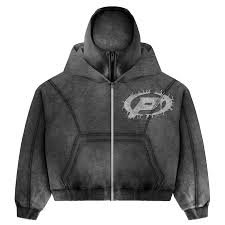
Mistake 5: Ignoring Hood, Ribbing and Structural Details
The fabric receives most of the attention in heavyweight hoodie manufacturing, but premium perception often comes from details buyers initially treat as secondary.
The hood is one of them.
Hood Construction
For a premium heavyweight silhouette, buyers may need to define:
- single or double layer;
- hood depth;
- hood height;
- opening shape;
- crossover or standard neckline;
- drawcord or no drawcord;
- eyelets;
- seam construction;
- lining material where relevant.
A double-layer hood can create a substantial appearance, but it also adds material and weight.
The correct construction depends on the design.
A heavyweight hoodie manufacturer should therefore work from an approved specification rather than assuming every heavyweight streetwear hoodie requires the same hood.
Ribbing Matters More Than Many Buyers Expect
Cuffs and waistbands affect both appearance and wear.
Consider:
- rib composition;
- rib weight;
- stretch;
- recovery;
- cuff height;
- waistband height;
- colour matching;
- attachment quality.
Weak recovery can make an otherwise premium hoodie look tired.
An excessively tight waistband can distort the intended boxy silhouette.
Poor colour matching between body fabric and rib can also become visible, particularly on certain colourways.
When sourcing custom heavyweight hoodies, the rib should therefore be evaluated as part of the product rather than an afterthought.
Pocket Construction
For kangaroo-pocket hoodies, confirm:
- pocket dimensions;
- placement;
- opening angle;
- reinforcement;
- topstitching;
- symmetry;
- pattern matching where relevant.
Heavy fabric can amplify construction problems.
A crooked pocket on a lightweight promotional hoodie is undesirable.
A crooked pocket on a premium private label hoodie manufacturer project undermines the entire positioning of the product.

Mistake 6: Choosing Printing or Embroidery Without Testing It on the Actual Fabric
Decoration should be selected together with the garment.
Not after it.
This is particularly important in heavyweight hoodie manufacturing because dense or textured materials can interact differently with print and embroidery processes.
Embroidery on Heavyweight Hoodies
Embroidery can work extremely well for premium streetwear, but buyers should evaluate:
- design size;
- stitch density;
- thread;
- backing/stabilisation;
- placement;
- fabric distortion;
- puckering;
- inside finish.
A large, dense embroidery design can behave differently from a small chest logo.
Testing the actual artwork on representative fabric is therefore more useful than approving embroidery from a generic swatch.
Screen Printing
Screen printing remains relevant for many streetwear designs, but the desired result should be clearly specified.
The buyer should discuss:
- artwork dimensions;
- colours;
- placement;
- print hand feel;
- opacity;
- curing requirements;
- fabric/finish compatibility.
For custom heavyweight hoodies, the goal should be repeatability, not simply producing one attractive sample.
Puff and Other Specialty Effects
Raised and specialty print effects can create strong streetwear visuals, but they introduce additional variables.
Brands should not approve a technique purely because it looks good in a photograph.
Ask the custom hoodie manufacturer to prepare the required decoration on representative fabric and evaluate:
- height;
- edges;
- consistency;
- cracking behavior;
- wash behavior;
- placement;
- colour;
- overall appearance.
The more important the decoration is to the collection identity, the more important testing becomes.
Mistake 7: Approving a Sample Without Locking the Specification
A sample is useful only when the buyer can identify what was approved.
This is a major distinction between casual sourcing and disciplined heavyweight hoodie manufacturing.
Imagine receiving an excellent sample from a heavyweight hoodie manufacturer.
You approve it.
But neither side records the final:
- fabric;
- GSM;
- composition;
- measurements;
- rib;
- thread;
- stitching;
- hood;
- pocket;
- print;
- embroidery;
- labels;
- trims;
- wash;
- packaging.
When bulk production starts, the team now has an approved physical sample but an incomplete production record.
That creates unnecessary ambiguity.
Build a Production Specification
For custom heavyweight hoodies, the final specification should identify relevant details such as:
Product Identity
- style number;
- product name;
- version;
- date.
Fabric
- construction;
- composition;
- target GSM;
- colour;
- finish;
- approved reference.
Measurements
- full size chart;
- grading;
- points of measurement;
- tolerances.
Construction
- seam types where specified;
- stitch requirements;
- hood construction;
- pocket construction;
- cuff;
- waistband.
Decoration
- artwork;
- dimensions;
- colour;
- placement;
- technique.
Branding
- neck label;
- size label;
- care label;
- hangtag;
- other approved trims.
Packaging
- folding;
- polybag or approved alternative;
- stickers;
- carton requirements where applicable.
Quality
- agreed inspection criteria;
- testing requirements;
- tolerances.
The objective is simple:
Turn visual approval into reproducible manufacturing information.
That makes communication with a private label hoodie manufacturer much stronger.
Mistake 8: Assuming the Approved Sample Guarantees Bulk Consistency
An excellent sample is necessary.
It is not sufficient.
The commercial challenge is reproducing the approved product across the bulk order.
That is where heavyweight hoodie manufacturing becomes a production-control problem rather than merely a development problem.
Sample-to-Bulk Risk
Potential differences can appear in:
- fabric batches;
- dye lots;
- measurements;
- stitching;
- decoration;
- rib;
- trims;
- labels;
- finishing;
- packaging.
The buyer should therefore establish what references control bulk production.
Create a Golden Reference
Depending on the project and supplier workflow, the approved reference can include:
- sealed sample;
- signed measurement chart;
- approved fabric swatch;
- approved colour reference;
- approved print strike-off;
- approved embroidery;
- approved labels;
- approved packaging.
A heavyweight hoodie manufacturer then has specific references against which production can be evaluated.
Inspection Should Be Specification-Based
“Looks good” is not a sufficient quality-control standard.
For custom heavyweight hoodies, inspection should evaluate the requirements that matter to the product.
Examples include:
- measurements within agreed tolerance;
- correct fabric;
- correct colour;
- seam integrity;
- pocket alignment;
- hood symmetry;
- cuff and waistband attachment;
- print placement;
- embroidery appearance;
- label placement;
- visible defects;
- packaging accuracy.
Not every brand needs the same QC plan.
The correct plan depends on product risk, order size, specifications and commercial requirements.
Mistake 9: Choosing a Heavyweight Hoodie Manufacturer Mainly on Unit Price
This is the mistake that can make all eight previous problems more likely.
Price matters.
But comparing suppliers purely by unit price can be misleading because two quotations may not represent the same product.
Supplier A may quote one fabric.
Supplier B may quote another.
Supplier A may include custom labels.
Supplier B may not.
Supplier A may quote EXW.
Supplier B may include some freight.
Supplier A may base the price on basic decoration.
Supplier B may include more complex embroidery.
The headline numbers are therefore not automatically comparable.
Compare Like With Like
Before comparing one heavyweight hoodie manufacturer with another, standardise the RFQ.
Each supplier should receive the same core specification.
Then compare:
| Criterion | Supplier A | Supplier B | Supplier C |
|---|---|---|---|
| Fabric specification | Confirm | Confirm | Confirm |
| Composition | Confirm | Confirm | Confirm |
| GSM | Confirm | Confirm | Confirm |
| Fit | Confirm | Confirm | Confirm |
| Decoration | Confirm | Confirm | Confirm |
| Labels | Confirm | Confirm | Confirm |
| Packaging | Confirm | Confirm | Confirm |
| MOQ | Confirm | Confirm | Confirm |
| Sample terms | Confirm | Confirm | Confirm |
| Production terms | Confirm | Confirm | Confirm |
| Shipping basis | Confirm | Confirm | Confirm |
| Payment terms | Confirm | Confirm | Confirm |
Only then does the commercial comparison become useful.

The Cheapest Hoodie Can Become the Most Expensive Inventory
Suppose a streetwear brand saves a few dollars per unit but receives a hoodie with the wrong fit.
The apparent saving becomes irrelevant if customers return the product, complain about quality or simply do not reorder.
A custom hoodie manufacturer should therefore be evaluated against total commercial risk.
Consider:
- product quality;
- communication;
- specification control;
- sample accuracy;
- MOQ suitability;
- production consistency;
- transparency;
- quality-control process;
- shipping terms;
- ability to support repeat orders.
For a private label hoodie manufacturer, repeatability deserves particular attention.
The goal is not merely to manufacture Drop One.
The stronger commercial outcome is being able to reproduce or intentionally evolve the product for Drop Two, Drop Three and later replenishment.
Heavyweight Hoodie Manufacturer Specification Checklist
Before requesting a final quotation, prepare the following information.
1. Product
- Pullover or zip hoodie
- Men’s, women’s or unisex
- Standard, relaxed, boxy or oversized fit
- Reference style if applicable
2. Fabric
- Required construction
- Composition
- GSM
- Surface
- Interior finish
- Colour
- Wash/finish
3. Size and Fit
- Size range
- Measurement chart
- Grading
- Tolerances
- Fit reference
4. Hood
- Single/double layer
- Dimensions
- Opening
- Drawcord
- Eyelets
- Construction details
5. Rib
- Cuff
- Waistband
- Composition if specified
- Dimensions
- Stretch/recovery requirement
6. Decoration
- Screen printing
- Embroidery
- Appliqué
- Specialty effect
- Artwork dimensions
- Placement
- Colours
7. Branding
- Main label
- Size label
- Care label
- Hangtag
- Packaging branding
8. Commercial Requirements
- Quantity
- Quantity by colour
- Quantity by size
- Destination
- Target timeline
- Sample requirement
- Shipping basis
Sending these details allows a heavyweight hoodie manufacturer to evaluate the project more accurately.
Heavyweight Hoodie Testing and Quality Considerations
Premium positioning should be supported by appropriate quality requirements.
That does not mean every hoodie requires every laboratory test available.
It means the buyer should identify which characteristics matter to the intended product and market.
For dimensional stability, ISO 5077 provides a method for determining dimensional change after specified washing and drying procedures, while ISO 6330 establishes domestic washing and drying procedures used in textile testing.
For brands considering chemical-safety certification, OEKO-TEX STANDARD 100 covers textiles tested for harmful substances, with requirements that vary according to intended skin contact. Certification should never be assumed merely because a supplier uses the term “OEKO-TEX”; buyers should verify the relevant certificate and scope.
For U.S. sales, the Federal Trade Commission apparel labeling guidance explains that most textile and wool products require information including fibre content, country of origin and the identity of the manufacturer or another responsible business. Care requirements are addressed separately through the Care Labeling Rule.
These references are useful when building custom heavyweight hoodies for international markets because technical quality and regulatory requirements should not be treated as the same thing.
A garment can look excellent and still require additional labeling or compliance work for its destination.
How to Evaluate a Custom Hoodie Manufacturer
A sourcing decision should answer five questions.
1. Can the Manufacturer Understand the Product?
Send the technical information and evaluate the questions you receive.
A supplier that asks precise questions about fabric, sizing, artwork, quantity and destination may be trying to remove ambiguity.
2. Can the Manufacturer Develop the Sample?
The sample should test the actual product concept.
Evaluate:
- material;
- fit;
- construction;
- branding;
- decoration;
- finishing.
3. Can the Manufacturer Document What Was Approved?
This is critical.
An approved sample without controlled specifications creates unnecessary production risk.
4. Can the Manufacturer Reproduce It?
Ask how the approved sample, fabric, colour, measurements and decoration will be referenced during bulk production.
5. Can the Manufacturer Support the Commercial Model?
A technically capable supplier can still be the wrong supplier if:
- MOQ does not fit;
- communication is poor;
- lead-time expectations conflict;
- payment terms are unsuitable;
- shipping economics fail;
- repeat production cannot be supported.
The best custom hoodie manufacturer is therefore not necessarily the largest or cheapest supplier.
It is the supplier whose manufacturing model fits the buyer’s product and commercial requirements.
Private Label Hoodie Manufacturer: What Brands Need Beyond the Garment
Private label development involves more than sewing a blank hoodie and adding a neck label.
A serious private label hoodie manufacturer project may involve:
- custom pattern;
- selected fabric;
- custom colours;
- size grading;
- woven or printed labels;
- care labels;
- embroidery;
- screen printing;
- trims;
- hangtags;
- packaging.
Not every project requires every option.
The buyer should specify exactly what private-label elements are required.
Label Compliance
Branding labels and regulatory labels serve different purposes.
A brand may want a minimalist neck label, but destination-market requirements still need to be considered.
For the United States, FTC guidance covers textile labeling and care requirements.
Other markets can have different requirements.
Therefore, brands importing custom heavyweight hoodies should verify the rules applicable to their destination rather than copying labels from another brand.
Why Sampling Matters for Custom Heavyweight Hoodies
Sampling is not wasted cost.
It is product development and risk control.
A sample can help evaluate:
- fabric;
- colour;
- GSM;
- fit;
- hood;
- pocket;
- rib;
- stitching;
- print;
- embroidery;
- labels;
- overall hand feel.
But buyers should use the sample deliberately.
Do not simply put it on and decide whether it “feels premium.”
Measure it.
Inspect it.
Wash it according to the relevant evaluation plan.
Photograph it.
Record revisions.
Compare the revised sample against the original comments.
That creates a much stronger heavyweight hoodie manufacturing workflow.
Working With Elahi Vertex International on Heavyweight Hoodie Development
Elahi Vertex International is positioned as a B2B manufacturer, exporter, OEM/ODM supplier and private-label manufacturing partner serving clothing and streetwear buyers. The company works across custom streetwear, hoodies and sweatshirts, and private-label clothing.
For hoodie projects, the objective should be to move from concept to a sufficiently clear manufacturing specification before bulk production.
Elahi Vertex International’s standard MOQ provided for this project context is 20 pieces per product/category. Final quantities, size breakdowns, materials, decoration, packaging, shipping and project-specific production requirements should still be confirmed before quotation.
For sampling, the baseline commercial approach is that the buyer pays the sample and shipping cost upfront; where specifically agreed for a qualifying project, the sample manufacturing cost may be credited toward a qualifying bulk order, while courier shipping remains separate.
A buyer approaching Elahi Vertex International for custom heavyweight hoodies should ideally provide:
- reference images;
- tech pack if available;
- target GSM;
- fabric composition;
- size chart;
- colourways;
- artwork;
- decoration method;
- label requirements;
- packaging requirements;
- quantity;
- destination country.
This reduces quotation ambiguity and allows the project to move toward sampling faster.
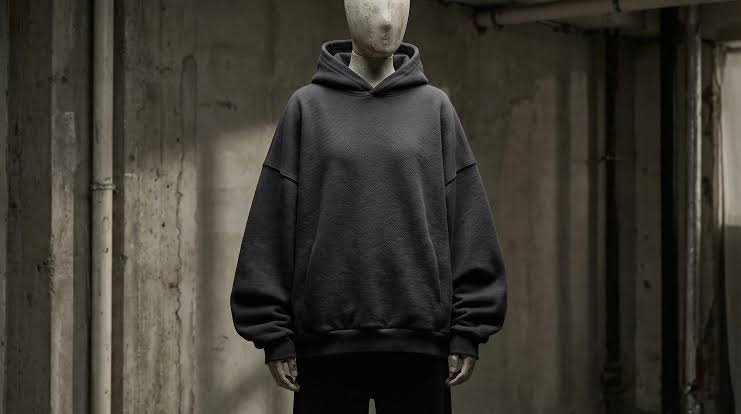
Frequently Asked Questions About Heavyweight Hoodie Manufacturing
1. What should I ask a heavyweight hoodie manufacturer before ordering?
Ask about fabric construction, composition, GSM, fit development, decoration, sampling, measurement tolerances, MOQ, quality control, packaging, production terms, shipping and payment terms.
2. What GSM is considered heavyweight for a hoodie?
There is no single globally mandatory GSM threshold defining every “heavyweight hoodie.” Brands should define the intended weight, construction and hand feel for their product rather than relying solely on a category label.
3. Is higher GSM always better for custom heavyweight hoodies?
No. Higher GSM means greater fabric mass per square metre; it does not automatically guarantee better fibres, construction, dimensional stability, stitching, finishing or fit.
4. Should I choose cotton or a blend for heavyweight hoodie manufacturing?
That depends on the intended hand feel, performance, finishing, decoration and commercial requirements. Evaluate the actual proposed fabric rather than assuming one composition is universally superior.
5. What information does a custom hoodie manufacturer need for a quotation?
At minimum, provide product type, fabric requirements, GSM, composition, fit, size range, colourways, decoration, branding, quantity and destination.
6. Should I order a sample before bulk custom heavyweight hoodies?
For a custom premium product, sampling is a strong risk-control step because it allows you to evaluate the garment before committing to bulk production.
7. What should I inspect on a heavyweight hoodie sample?
Check fabric, hand feel, dimensions, fit, hood, rib, seams, pocket, decoration, labels, finishing and relevant wash behavior.
8. How can I reduce sample-to-bulk differences?
Document the approved fabric, measurements, colours, decoration, trims and packaging, and establish the approved sample/specification as the production reference.
9. Can a private label hoodie manufacturer add my own labels?
Private-label manufacturers may offer custom branding options, but exact capabilities, MOQ and costs should be confirmed for the project. Elahi Vertex International should confirm the required label specification before quotation.
10. Can heavyweight hoodies have embroidery?
Yes, but the artwork, stitch density, stabilisation, placement and fabric behavior should be evaluated. Testing the actual embroidery on representative material is preferable.
11. Can heavyweight hoodies use screen printing?
Yes. The appropriate print system depends on the artwork, fabric and desired appearance. A sample or strike-off can help verify the intended result.
12. Why does rib quality matter?
Rib affects cuff and waistband appearance, recovery and fit. Poor rib selection can undermine an otherwise premium garment.
13. How important is shrinkage in heavyweight hoodie manufacturing?
Very important where fit and dimensional stability matter. Relevant textile testing methods include ISO 5077 for dimensional change and ISO 6330 for domestic washing and drying procedures used in textile testing.
14. Does an approved sample guarantee identical bulk production?
No manufacturing process should be treated as automatically identical without controls. Specifications, tolerances, approved references and quality checks help manage sample-to-bulk consistency.
15. What is the best fit for premium custom heavyweight hoodies?
There is no universal best fit. Oversized, boxy, relaxed and standard fits serve different brand aesthetics. Define measurements and proportions according to your target customer.
16. What is the MOQ for heavyweight hoodies from Elahi Vertex International?
The current baseline MOQ is 20 pieces per product/category. Project-specific details should be confirmed before quotation.
17. Can a startup work with a heavyweight hoodie manufacturer?
Yes, provided the manufacturer’s MOQ, sampling costs and production model fit the startup’s requirements. Smaller brands should avoid buying unnecessary inventory merely to obtain a lower unit price.
18. What should be included in a heavyweight hoodie tech pack?
Include technical drawings, measurements, grading, fabric, GSM, composition, colours, stitching, hood construction, rib, artwork, decoration placement, labels, trims and packaging requirements.
19. How should I compare private label hoodie manufacturers?
Compare the same product specification across suppliers. Evaluate sample quality, communication, MOQ, technical capability, quality controls, commercial terms, shipping and repeat-order suitability—not unit price alone.
20. How do I start a custom heavyweight hoodie project with Elahi Vertex International?
Prepare your reference images or tech pack, target fabric/GSM, colourways, sizing, artwork, quantity and destination. These details can then be reviewed before sampling and final commercial terms are confirmed.
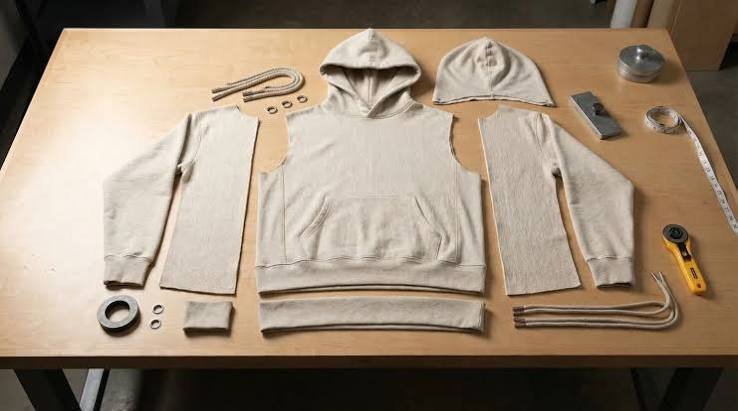
Final Heavyweight Hoodie Buyer Checklist
Before paying for bulk production, confirm:
- Final product design
- Fabric construction
- Fibre composition
- Target GSM
- Approved colour
- Interior finish
- Size chart
- Grading
- Measurement tolerances
- Hood construction
- Rib specification
- Pocket construction
- Stitching details
- Print specification
- Embroidery specification
- Label artwork
- Care-label requirements
- Packaging
- Sample approval
- Wash/dimensional requirements
- Quality-control requirements
- Bulk quantity
- Size breakdown
- Colour breakdown
- Production terms
- Shipping terms
- Destination
- Payment terms
If several of these remain unanswered, the project probably is not ready for final bulk approval.
Conclusion: Premium Heavyweight Hoodies Are Engineered, Not Defined by GSM
The biggest lesson is simple:
A premium heavyweight hoodie is a complete product system.
Fabric weight matters, but so do construction, composition, shrinkage, pattern, fit, hood structure, ribbing, stitching, decoration, labels, finishing and production consistency.
Choosing a heavyweight hoodie manufacturer based only on GSM or price ignores many of the variables that determine whether a premium streetwear collection succeeds technically.
Brands developing custom heavyweight hoodies should define the product first, sample it carefully, document the approved specification and then establish controls for bulk heavyweight hoodie manufacturing.
The same discipline should guide the selection of a custom hoodie manufacturer or private label hoodie manufacturer.
The objective is not simply to receive hoodies.
It is to manufacture a repeatable product that represents the brand correctly when customers finally wear it.
Discuss Your Heavyweight Hoodie Project
If you are developing a premium streetwear collection, prepare your reference images or tech pack, fabric/GSM target, colourways, sizing, artwork, quantity and destination.
Contact Elahi Vertex International to discuss whether the project fits its custom B2B manufacturing model:
WhatsApp: +92 309 1639614
Email: elahivertexinternational@gmail.com
Secondary Email: Info@elahivertexinternational.com
Official website: Elahi Vertex International
The quotation should be based on your actual specifications rather than an invented generic hoodie price.
Ready to Develop Your Custom Heavyweight Hoodies?
A premium hoodie collection should not begin with a vague quotation. It should begin with the right fabric, GSM, fit, construction, branding, decoration, quantity and destination clearly defined.
If you are looking for a heavyweight hoodie manufacturer for an upcoming streetwear collection, Elahi Vertex International works with international B2B buyers on OEM, ODM, custom and private-label clothing manufacturing.
Whether you are developing custom heavyweight hoodies, building a new streetwear drop, testing a new hoodie design or preparing for repeat bulk production, send us your requirements and we can review the project before moving toward sampling and quotation.
Start With 20 Pieces
Our baseline MOQ is 20 pieces per product/category, giving emerging brands a practical route to test a product without immediately committing to unnecessarily large inventory.
We can also discuss larger-volume requirements when your brand is preparing for bulk production or repeat orders.
Send Us These 7 Details for a More Accurate Quote
- Hoodie design, tech pack or reference photos
- Required fabric composition and target GSM
- Quantity
- Sizes and colourways
- Printing, embroidery or other branding requirements
- Custom labels and packaging requirements
- Delivery country/postcode
The clearer your specifications are, the more accurately we can evaluate manufacturing requirements, sampling and shipping.
Contact Elahi Vertex International
WhatsApp — Fastest Route
+92 309 1639614
https://wa.me/message/OWIPAIXYWHTPI1
Primary Email
elahivertexinternational@gmail.com
Business Email
Info@elahivertexinternational.com
Official Website
https://www.elahivertexinternational.com/
Alibaba Storefront
https://elahivertexinternational.trustpass.alibaba.com/
See Our Manufacturing & Business Presence
Instagram
https://www.instagram.com/elahivertex_mfg
LinkedIn
https://www.linkedin.com/company/elahi-vertex-international
Facebook
https://www.facebook.com/share/1D4CqvvfKh/
TikTok
https://www.tiktok.com/@elahivertex_mfg
Threads
https://www.threads.com/@elahivertex_mfg
X
https://x.com/elahivertex_mfg
Google Business Profile
https://share.google/62DrR4N4X8np39RkQ
Your Next Step
Don’t send us only “What is your hoodie price?”
Send your design + target GSM + quantity + decoration + destination.
That gives Elahi Vertex International enough information to understand what you are actually trying to manufacture and move the conversation toward the right custom heavyweight hoodie specification, sampling plan and commercial quotation.
Have a heavyweight hoodie collection in development? Send the requirements to Elahi Vertex International on WhatsApp and start with the product specification.

