

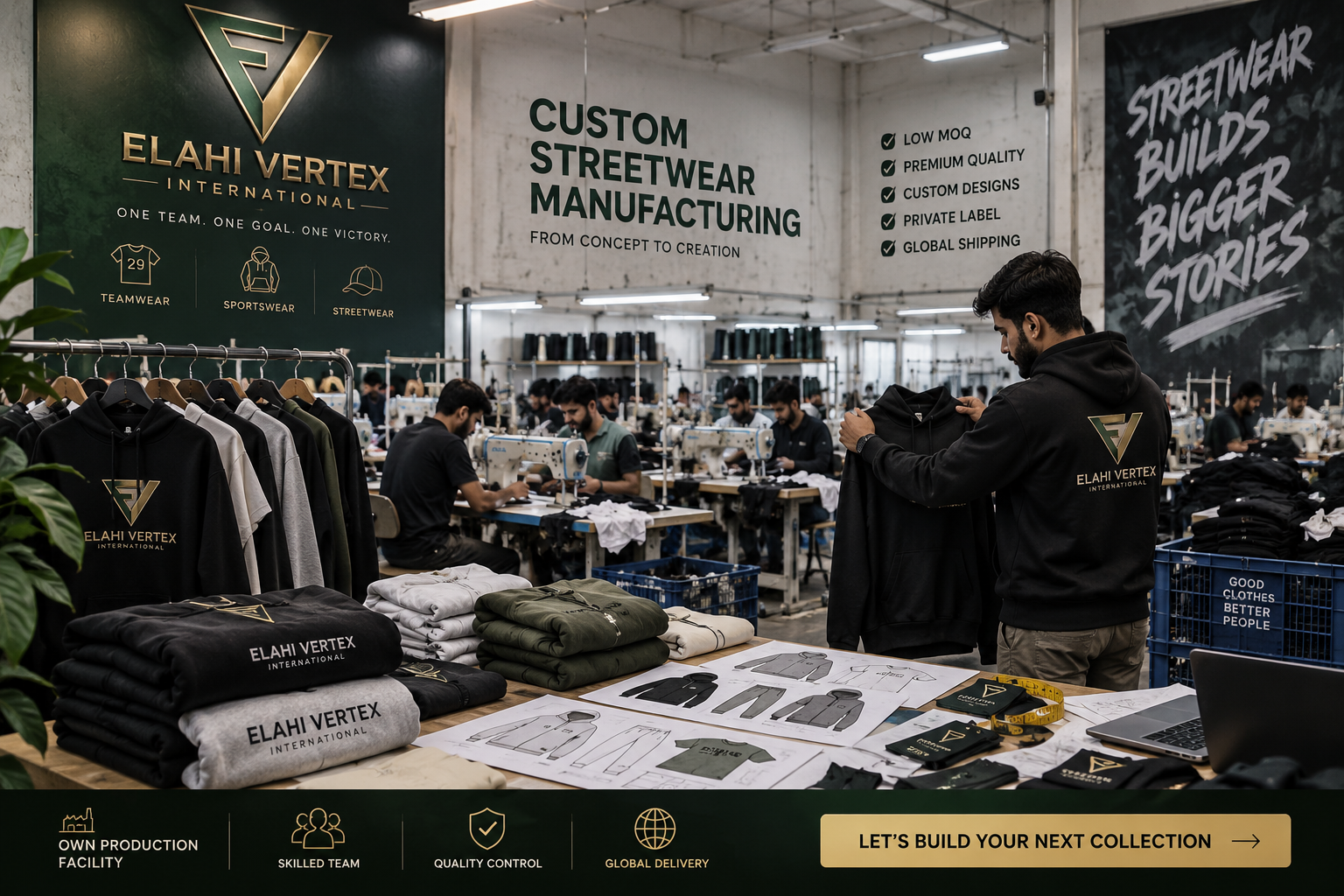
Choosing an overseas clothing manufacturer can give a European streetwear brand access to custom development, specialist production techniques, flexible sourcing and potentially more competitive manufacturing economics. But distance also increases the importance of specifications, sampling, communication, quality control and import preparation.
The cheapest quotation is therefore rarely enough information to make a good sourcing decision.
A European streetwear brand needs to know whether an overseas clothing manufacturer can actually translate its design into a repeatable garment. That means looking beyond attractive product photographs and asking practical questions about fabric, GSM, fit, measurements, printing, embroidery, washes, labels, sampling, bulk consistency, quality checks and shipping responsibilities.
This matters even more for streetwear. An oversized hoodie can technically be the “correct size” while still having the wrong silhouette. A heavyweight T-shirt can meet a stated GSM but feel different because of fibre composition, knit construction or finishing. A graphic can look excellent on a screen but fail commercially if its position, dimensions or production method are not controlled.
For European brands importing products into the EU, product compliance, textile labelling and import procedures also need attention. These responsibilities should be investigated before bulk production rather than after goods are already moving toward Europe.
Here are 9 things European streetwear brands should check before choosing an overseas clothing manufacturer.
1. Check Whether the Manufacturer Actually Understands Streetwear
Not every apparel factory is a strong streetwear clothing manufacturer.
A supplier may be perfectly capable of producing basic T-shirts while lacking experience with the construction, fit and finishing expected from a modern streetwear collection.
Streetwear development can involve:
- Oversized T-shirts
- Heavyweight hoodies
- Sweatshirts
- Joggers
- Matching sets
- Zip hoodies
- Varsity jackets
- Washed garments
- Distressed finishes
- Puff printing
- Screen printing
- Embroidery
- Patches
- Custom labels
- Custom packaging
The important question is not simply:
“Can you manufacture hoodies?”
Ask instead:
“Can you manufacture this specific hoodie according to these measurements, fabric specifications, construction details, artwork dimensions and finishing requirements?”
That question immediately changes the supplier conversation.
A capable overseas clothing manufacturer should ask questions when your specification is incomplete. A supplier that immediately gives a final price without understanding the garment may be estimating rather than properly costing your project.
Look Beyond Product Photographs
Product photographs can help establish initial relevance, but photographs alone do not prove production consistency.
Ask to understand:
- Fabric options
- Fabric weight
- Fibre composition
- Fit development
- Pattern construction
- Stitching
- Printing capabilities
- Embroidery
- Washes and finishes
- Labels
- Trims
- Packaging
- Sampling procedure
The objective is to determine whether the supplier understands the product your brand actually wants to sell.
European streetwear brands considering custom development can also review the custom clothing manufacturing process used by Elahi Vertex International.
2. Check Fabric, GSM and Material Specifications
Fabric is one of the biggest areas where vague sourcing creates problems.
“Premium cotton” is not a complete fabric specification.
“Heavyweight hoodie fabric” is not a complete specification either.
When discussing a garment with an overseas clothing manufacturer, define as much of the material requirement as reasonably possible.
That can include:
- Fibre composition
- GSM
- Knit or weave construction
- Surface finish
- Stretch requirement
- Hand feel
- Shrinkage expectations
- Colour
- Intended garment use
- Wash or finishing requirement
Why GSM Matters
GSM means grams per square metre and is commonly used to describe fabric weight.
It is useful, but GSM alone does not define fabric quality.
Two fabrics with similar GSM can behave differently because of their fibre composition, yarn, knitting structure, finishing and treatment.
For example, when developing an oversized streetwear T-shirt, a European brand should not tell its overseas apparel manufacturer only that it wants a “heavy T-shirt.”
The RFQ could instead specify:
Product: Oversized T-shirt
Target fabric: Cotton-based jersey
Target GSM: Confirm during development
Fit: Oversized
Neck: Ribbed crew neck
Branding: Custom neck and care labels
Artwork: Screen print according to supplied dimensions
Colour: Pantone/reference to be confirmed
Packaging: Individual branded packaging if required
That gives the manufacturer substantially more information to work from.
Confirm Materials Before Bulk Production
Do not assume the material used in your sample will automatically be reproduced correctly unless the agreed material specification is documented.
Your approved specification becomes the reference point for production.
Elahi Vertex International provides information about fabric sourcing, sampling and custom apparel production for brands preparing custom manufacturing projects.
3. Check Fit, Measurements and Size Grading
Streetwear fit can be commercially decisive.
A garment can have excellent stitching and printing yet still fail because the silhouette is wrong.
European streetwear frequently uses:
- Oversized fits
- Boxy fits
- Dropped shoulders
- Cropped proportions
- Relaxed trousers
- Wide-leg bottoms
- Longer sleeves
- Heavy rib structures
- Custom body lengths
Never assume an overseas clothing manufacturer interprets words such as “oversized,” “relaxed” or “boxy” exactly as your brand does.
Give Actual Measurements
A useful measurement specification may include:
- Chest width
- Body length
- Shoulder width
- Sleeve length
- Sleeve opening
- Neck width
- Neck drop
- Hem width
- Waist
- Hip
- Inseam
- Outseam
- Leg opening
The relevant measurements depend on the garment.
For an oversized T-shirt, shoulder width and body width may strongly influence the silhouette. For joggers, rise, thigh width, inseam and leg opening may matter more.
Ask About Size Grading
A good sample in size M does not automatically mean sizes XS through XXL will fit correctly.
Ask your overseas clothing manufacturer how measurements will be graded across the requested size range.
European brands should approve a size chart before bulk cutting begins.
Establish Measurement Tolerances
Textile products are not machined metal components. Some production variation is normal.
However, acceptable tolerances should be discussed and documented rather than discovered after delivery.
The goal is not impossible perfection.
The goal is a mutually understood production standard.
4. Check Sampling Before Committing to Bulk Production
Sampling is one of the most important risk-control stages when working with an overseas clothing manufacturer.
A digital mock-up can confirm artwork direction.
It cannot fully demonstrate:
- Fabric hand feel
- Garment weight
- Actual fit
- Stitching
- Rib quality
- Print texture
- Embroidery quality
- Wash effect
- Construction
- Label quality
- Physical colour appearance
That is why a physical sample can be commercially valuable before a larger production commitment.
What Should You Inspect on a Streetwear Sample?
Check:
Fabric
Does the fabric match the agreed composition, weight and intended feel?
Fit
Does the garment create the intended silhouette?
Measurements
Compare the physical sample with the approved size specification.
Construction
Review seams, stitching, ribbing, reinforcement and garment assembly.
Printing
Check dimensions, position, colour, surface quality and technique.
Embroidery
Review density, placement, edges, backing and overall appearance.
Labels
Check neck labels, size labels, care labels and other branding.
Finishing
Look for loose threads, stains, damage, irregular construction or finishing issues.
Do Not Rush Sample Approval
When a launch deadline is approaching, brands can feel pressure to approve a sample quickly.
That can be an expensive shortcut.
If something is wrong during sampling, document the correction clearly before approving bulk production.
Elahi Vertex International’s published ordering process follows design submission, specification confirmation, sampling where required, approval, bulk production, quality control and shipment preparation.
5. Check Printing, Embroidery and Branding Capabilities
Streetwear branding often carries much of the garment’s perceived identity.
That makes decoration capabilities an important part of evaluating an overseas clothing manufacturer.
Depending on the collection, a brand might require:
- Screen printing
- Puff printing
- Heat transfer
- Embroidery
- Appliqué
- Woven patches
- Rubber or silicone patches
- Custom labels
- Hangtags
- Branded packaging
Different techniques produce different visual and tactile results.
Do Not Ask Only: “Can You Print This?”
Provide:
- Artwork file
- Required dimensions
- Position
- Colour reference
- Intended technique
- Garment colour
- Fabric composition
- Reference photograph where useful
Then ask the manufacturer whether the selected technique is appropriate for that fabric and design.
Placement Needs Measurements
“Print in the middle of the chest” is subjective.
“Print 8 cm below the neckline, centred, at the approved artwork dimensions” is much more useful.
The same principle applies to:
- Back graphics
- Sleeve embroidery
- Leg prints
- Pocket logos
- Neck branding
- Patches
Precise specifications reduce interpretation.
Brands using their own finished designs can explore OEM clothing manufacturing, while brands requiring their own labels and presentation can review private label manufacturing.
6. Check Quality-Control Procedures
Do not wait until production is complete to ask how quality is controlled.
Ask before ordering.
Quality control for streetwear can involve several stages.
Material Verification
The overseas clothing manufacturer should work from the agreed material specifications.
Relevant checks can include:
- Fabric type
- Composition
- GSM
- Colour
- Surface appearance
- Trims
In-Production Checks
Potential issues are easier to address before an entire production run is finished.
Relevant areas include:
- Stitching
- Construction
- Measurements
- Artwork positioning
- Embroidery
- Panels
- Labels
- Trims
Final Inspection
Before shipment, finished garments should be assessed against agreed requirements.
Possible inspection points include:
- Quantity
- Size breakdown
- Measurements
- Workmanship
- Embroidery
- Labels
- Finishing
- Packaging
Ask for Evidence Where Practical
Depending on the order and supplier relationship, brands may request:
- Production photographs
- Finished-product photographs
- Measurement checks
- Packaging photographs
- Video inspection
- Third-party inspection where commercially justified
Do not confuse photographs with a complete QC system, however. The important point is whether the overseas clothing manufacturer has a defined reference against which the finished goods are being evaluated.
European buyers can review Elahi Vertex International’s published manufacturing work and portfolio when evaluating manufacturing suitability.
7. Check EU Textile, Product and Chemical Requirements
This is an area European brands should not treat casually.
Using an overseas clothing manufacturer does not remove the obligations that may apply when products are imported and placed on the European Union market.
Textile Fibre Labelling
EU textile rules generally require textile products marketed to consumers to identify their fibre composition.
The fibre information must use recognised textile fibre names, and relevant labelling information may need to be provided in the official language or languages of the Member State where the product is offered to consumers.
Brands should therefore confirm the applicable requirements for their specific products and destination markets before labels are manufactured.
Product Safety
Products placed on the EU market must satisfy applicable product-safety requirements.
European streetwear brands should understand which obligations apply to their role in the supply chain rather than assuming the overseas supplier carries every legal responsibility.
Chemical Restrictions
REACH can affect articles such as clothing.
For European importers, chemical compliance can therefore be relevant to fabrics, dyes, prints, coatings, accessories and other components depending on the product.
Do not accept a vague statement such as “EU compliant” as the end of the discussion.
Determine which requirements actually apply to your product and obtain appropriate documentation or testing where necessary.
Regulatory requirements can change, and national requirements may also matter. Check current official EU and destination-country guidance before placing goods on the market.
8. Check Communication, Documentation and Transparency
Communication problems become more expensive when your overseas clothing manufacturer is thousands of kilometres away.
Fast responses are useful.
Accurate responses are more important.
A supplier should be able to communicate clearly about:
- Product specifications
- Materials
- Sampling
- Revisions
- Quantity
- Pricing
- Production status
- Quality requirements
- Packaging
- Shipping
- Documentation
Keep Important Approvals Written
Do not rely entirely on scattered WhatsApp conversations.
Create a clear approval trail.
For example:
Product: Oversized hoodie
Colour: Approved reference
Fabric: Approved specification
GSM: Approved target
Fit: Approved sample
Chest print: Approved artwork and dimensions
Back print: Approved artwork and dimensions
Labels: Approved files
Size chart: Approved
Packaging: Approved
Quantity: Confirmed
This creates one production reference instead of dozens of disconnected messages.
Test the Manufacturer Before the Order
Notice how the supplier responds during quotation and sampling.
Do they answer technical questions?
Do they identify missing specifications?
Do they document changes?
Do they explain what still requires confirmation?
Do they provide realistic answers instead of saying yes to everything?
Communication quality during development can reveal a lot about what the production relationship may look like later.
9. Check the Total Commercial Cost — Not Just Unit Price
A €7 garment is not necessarily cheaper than an €8 garment.
European brands should evaluate the broader commercial equation when comparing an overseas clothing manufacturer.
Consider:
- Manufacturing price
- Sampling
- Packaging
- Freight
- Insurance where applicable
- Customs duties
- Import VAT/taxes as applicable
- Customs clearance
- Inspection
- Payment charges
- Defect risk
- Rework risk
- Delay risk
Understand Your Incoterm
Clarify what the quoted price actually includes.
Terms such as EXW, FOB, CIF, DAP and DDP allocate different responsibilities, costs and risks between seller and buyer.
Do not compare two quotations until you know whether they are being quoted on comparable commercial terms.
Confirm Customs Requirements
EU importers should investigate:
- Commodity classification
- Applicable tariff
- Origin rules
- Required documentation
- Import procedures
- EORI requirements where applicable
- Product-specific restrictions
The European Commission’s Access2Markets service provides product-specific information on tariffs, taxes, rules of origin, procedures and requirements.
Cheap Manufacturing Can Become Expensive Sourcing
Suppose Supplier A offers a lower garment price but creates repeated sampling errors, inconsistent production or expensive freight problems.
Supplier B costs slightly more but produces closer to the approved specification and communicates more effectively.
Supplier A may still have the cheaper invoice.
Supplier B may have the better commercial outcome.
That is why supplier selection should be based on total sourcing risk and value, not unit price alone.
Quick Overseas Clothing Manufacturer Evaluation Checklist
Before choosing an overseas clothing manufacturer, ask:
Product
☐ Does the supplier understand our streetwear category?
☐ Have we provided a proper product specification?
☐ Are construction details confirmed?
Fabric
☐ Is fibre composition confirmed?
☐ Is GSM confirmed?
☐ Is colour confirmed?
☐ Is finishing confirmed?
Fit
☐ Is the size chart approved?
☐ Is the intended silhouette clear?
☐ Is grading discussed?
☐ Are tolerances understood?
Branding
☐ Are artwork dimensions confirmed?
☐ Are placements confirmed?
☐ Is the production technique confirmed?
☐ Are labels and packaging confirmed?
Sampling
☐ Has the physical product been evaluated where appropriate?
☐ Are revisions documented?
☐ Is the final specification approved before bulk?
Quality
☐ Are quality expectations documented?
☐ Are measurement checks defined?
☐ Is final inspection discussed?
Compliance
☐ Have applicable EU textile labelling requirements been checked?
☐ Have applicable product-safety requirements been checked?
☐ Have relevant chemical restrictions been considered?
☐ Have destination-country requirements been checked?
Commercial Terms
☐ Is the unit price clear?
☐ Is freight clear?
☐ Is the Incoterm clear?
☐ Are payment terms clear?
☐ Are import costs understood?
Supplier Verification
☐ Is the business identifiable?
☐ Are contact details verifiable?
☐ Can relevant manufacturing work be reviewed?
☐ Are commercial documents consistent?
Red Flags When Choosing an Overseas Clothing Manufacturer
European streetwear brands should investigate further if a potential supplier:
- Gives a final quotation without understanding the garment
- Avoids discussing specifications
- Refuses reasonable sampling discussions
- Cannot explain fabric options
- Gives inconsistent business information
- Changes payment details without a reasonable explanation
- Avoids documenting important approvals
- Promises unrealistic production schedules
- Guarantees perfect quality
- Claims every technique is possible without reviewing artwork or material
- Pressures the buyer into immediate bulk production
- Cannot explain what is included in the quoted price
One red flag does not automatically prove that a supplier is unreliable.
Several unresolved red flags should stop a buyer from rushing into payment.
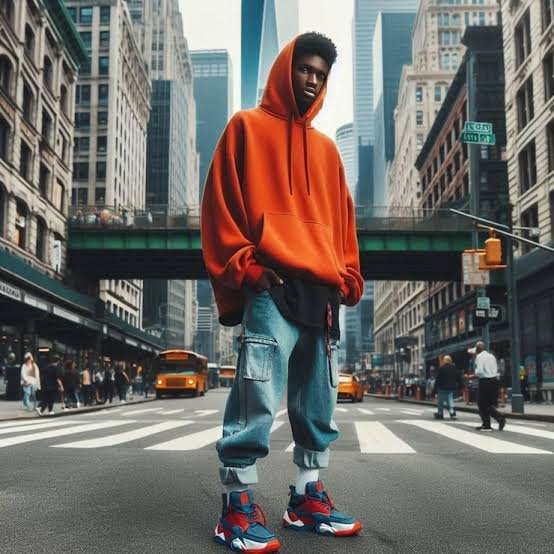
Why European Streetwear Brands Can Consider Elahi Vertex International
Elahi Vertex International is a Sialkot, Pakistan-based custom clothing manufacturer and exporter working with international B2B buyers.
For streetwear projects, manufacturing can be developed according to buyer-provided designs and specifications across products such as hoodies, sweatshirts, oversized T-shirts, joggers, matching sets and other custom apparel.
Brands can review:
- Custom Clothing Manufacturing
- Manufacturing Services
- OEM Clothing Manufacturing
- Private Label Manufacturing
- Our Works
- Portfolio
- Case Studies
- How to Order
- Contact Elahi Vertex International
For qualifying projects, Elahi Vertex International’s standard MOQ is 20 pieces per product/category.
The important principle remains the same whether you work with Elahi Vertex International or another overseas clothing manufacturer:
Define the product → develop the sample → approve the specification → confirm commercial terms → manufacture against the approved reference → inspect → ship.
Useful External Resources for European Streetwear Brands
European brands should use authoritative sources rather than relying entirely on manufacturer explanations for regulatory and import questions.
- European Commission — Textile Labelling
Useful for understanding textile fibre composition and EU labelling obligations. - EUR-Lex — Regulation (EU) No 1007/2011
The legal source for EU textile fibre names and related labelling requirements. - European Commission — Textiles, Leather and Fur
Useful background on the European textile regulatory framework. - European Chemicals Agency — REACH
Important when investigating chemical obligations and restrictions affecting articles such as clothing. - European Commission — Product Safety
Useful for understanding the EU product-safety framework. - European Commission — Access2Markets
Useful for tariffs, rules of origin, import procedures and product requirements. - Access2Markets — Guide for Importing Goods
A practical overview for European companies importing products from outside the EU. - Access2Markets — Product Requirements
Useful for identifying EU and national requirements applying to imported products. - Access2Markets — Customs Clearance Documents and Procedures
Useful for understanding customs documentation and EORI-related information. - Access2Markets — Procedures and Formalities
Covers market-access procedures, documentation and customs concepts. - European Commission — Importing into the EU
Provides official guidance for companies sourcing products outside the European Union. - EUR-Lex — Textile Fibre Composition Rules
Useful when checking permitted fibre terminology and composition declarations. - European Commission — General Product Safety Regulation Guidance
Useful for businesses reviewing their responsibilities under the current EU product-safety framework. - EU Safety Gate
Useful for researching dangerous or recalled non-food consumer products and understanding product-safety enforcement. - TARIC — EU Customs Tariff
Useful for investigating tariff classifications and customs measures applying to imported goods. - European Commission Taxation and Customs Union
Useful for official EU customs guidance. - European Commission — Rules of Origin
Relevant when determining origin treatment and potential tariff preferences. - Your Europe — Product Requirements
Useful for businesses determining which EU rules apply when placing products on the market. - Your Europe — Importing and Exporting
Provides practical EU business guidance for cross-border trade. - European Commission — Single Market
Useful background for brands selling products across EU Member States.
Frequently Asked Questions
1. How do I choose an overseas clothing manufacturer?
Evaluate product expertise, specifications, sampling, materials, quality control, communication, commercial terms, compliance awareness and shipping—not price alone.
2. Is an overseas clothing manufacturer suitable for a startup streetwear brand?
Potentially, yes. The important factors are whether the supplier’s MOQ, development process, product capabilities, sampling terms and commercial economics fit the brand’s stage.
3. What should I send an overseas clothing manufacturer?
Send your tech pack or product specifications, artwork, measurements, fabric requirements, colour references, branding details, quantity, packaging requirements and destination.
4. Should I order a sample before bulk streetwear production?
For a new product or supplier, physical sampling is a strong risk-control step because it allows the brand to evaluate fit, fabric, construction and branding before bulk production.
5. What should I check in a streetwear sample?
Check measurements, fit, fabric, GSM, construction, stitching, print, embroidery, labels, trims, finishing and overall appearance against your specification.
6. What GSM should streetwear use?
There is no universally correct GSM. The appropriate weight depends on the product, season, desired hand feel, fabric construction, design and target customer.
7. How can European brands reduce overseas manufacturing risk?
Use detailed specifications, approve samples, document revisions, verify the supplier, define quality requirements and understand shipping and import responsibilities before bulk production.
8. Should an overseas clothing manufacturer provide EU compliance?
Do not treat compliance as a simple supplier promise. Determine the regulations applicable to your product and your role, then agree what information, declarations, testing or documentation is required.
9. Does clothing sold in the EU require fibre labelling?
EU rules generally require textile products sold to consumers to identify their fibre composition according to applicable textile-labelling requirements.
10. Does REACH apply to imported clothing?
REACH can affect articles such as clothing, and EU importers may have responsibilities depending on the substances and circumstances involved.
11. Is the cheapest overseas clothing manufacturer the best choice?
Not necessarily. Sampling errors, defects, delays, freight and failed production can outweigh a small saving in unit price.
12. What should European brands ask about shipping?
Ask for the Incoterm, freight method, estimated shipping cost, shipment responsibility, required documents and what is excluded from the quotation.
13. What is OEM streetwear manufacturing?
OEM manufacturing generally means producing a buyer’s product according to the buyer’s designs, specifications and branding requirements.
14. What is private label streetwear manufacturing?
Private-label manufacturing allows a brand to sell garments under its own brand identity, typically using custom labels, branding and packaging according to the agreed project.
15. How important is a tech pack?
A clear tech pack can significantly reduce ambiguity by documenting measurements, construction, materials, artwork, colours, labels and other production requirements.
16. Can an overseas clothing manufacturer reproduce an approved sample?
The approved sample and documented specifications should establish the production reference, but brands should still define acceptable tolerances and quality-control procedures.
17. How should European brands verify a manufacturer?
Review the supplier’s legal/business identity, website, contact information, manufacturing evidence, product relevance, quotation, sample process and payment details. Independent verification can be appropriate for larger commitments.
18. What makes a good streetwear clothing manufacturer?
A good fit is a manufacturer capable of understanding the required garment construction, fabric, silhouette, decoration, branding and quality requirements—and reproducing them consistently.
19. What should I confirm before paying for bulk production?
Confirm product specifications, approved sample/reference, quantity, size breakdown, price, payment terms, production terms, packaging, quality expectations, shipping responsibilities and commercial documentation.
20. How can I start a streetwear project with Elahi Vertex International?
Prepare your product type, designs or references, quantity, fabric/GSM requirements where known, size requirements, branding, destination country and desired timeline, then send the project for review and quotation.
Final Thoughts: Choose the Manufacturing Process, Not Just the Price
Choosing an overseas clothing manufacturer should not be treated like buying a generic product from a catalogue.
Your supplier becomes part of your product-development and supply-chain process.
For European streetwear brands, the strongest sourcing decision normally comes from evaluating:
Product capability + specifications + sampling + quality control + communication + compliance preparation + commercial terms + logistics.
A cheap quotation cannot compensate for a product your customers do not want to wear.
And a beautiful sample is not enough if the bulk order cannot reproduce the approved specification.
The objective is therefore not simply to find an overseas clothing manufacturer.
It is to build a manufacturing process capable of turning your brand’s design into a commercially viable, repeatable finished product.
Official Resources European Streetwear Brands Should Check
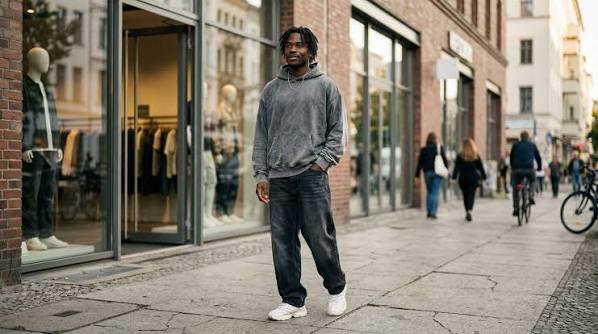
Working with an overseas clothing manufacturer involves more than garment development. European streetwear brands should also verify current import, labelling, product and compliance requirements using authoritative sources.
EU Textile Labelling Requirements
Before importing a streetwear collection, check the European Union textile labelling guidance. It explains important fibre-composition and textile-labelling requirements for products marketed in the EU.
EU Textile Labelling Regulation
Brands working with an overseas clothing manufacturer can also review Regulation (EU) No 1007/2011. This is an important primary legal source covering textile fibre names and related labelling and marking requirements.
European Commission Textile Guidance
The European Commission textiles, leather and fur resource provides additional information about the European textile regulatory environment.
Importing Clothing Into the EU
European streetwear businesses sourcing from an overseas clothing manufacturer should review the European Commission’s importing into the EU guidance before arranging international shipments.
EU Tariffs and Import Requirements
The European Commission’s Access2Markets portal can help importers research tariffs, taxes, rules of origin, customs procedures and product requirements.
Product Safety
European brands should also review the EU product rules and compliance guidance when determining which requirements apply to garments being placed on European markets.
Chemical Compliance
Fabric, prints, coatings, dyes and other garment components may also be affected by chemical requirements. Brands can use the European Chemicals Agency to investigate current REACH requirements relevant to their products.
REACH Regulation
For deeper compliance research, buyers can review the European Commission REACH information when sourcing garments and materials internationally.
EU Customs
European streetwear importers can consult the European Commission Taxation and Customs Union for official customs information before importing bulk production.
TARIC
Brands comparing the landed cost of an overseas clothing manufacturer can use the EU TARIC customs database to investigate applicable customs measures and classifications.
Rules of Origin
Country of origin can affect international trade requirements. The European Commission rules of origin guidance provides further information for European importers.
EORI Information
European businesses importing goods should understand whether they require an EORI number. Official information is available through the European Commission EORI guidance.
EU Product Requirements
The Your Europe product requirements portal is another useful starting point when checking responsibilities before placing products on the European market.
EU Market Surveillance
Brands using an overseas clothing manufacturer should understand that imported consumer products can be subject to market surveillance. The European Commission market surveillance guidance provides additional information.
Safety Gate
The EU Safety Gate allows businesses to research alerts involving dangerous non-food consumer products and better understand European product-safety enforcement.
EU Intellectual Property
Streetwear brands developing logos, graphics and original brand assets can use the European Union Intellectual Property Office to research EU trademark and design protection.
European Standards
The European Committee for Standardization provides information about European standards that may be relevant to particular products and testing requirements.
Sustainable Textile Strategy
Brands interested in the direction of European textile policy can review the European Commission strategy for sustainable and circular textiles.
EU Ecolabel for Textiles
Streetwear brands making environmental decisions can investigate the EU Ecolabel clothing and textile criteria rather than relying solely on unsupported sustainability claims.
European Business Guidance
Finally, Your Europe Business provides broader official information for companies operating, selling and trading within the European Union.
These resources help a European brand independently verify important requirements instead of relying entirely on what an overseas clothing manufacturer says. Regulations, customs requirements and market obligations can change, so current official guidance should always be checked for the specific product and destination country.
Ready to Choose the Right Overseas Clothing Manufacturer for Your Streetwear Brand?
Choosing an overseas clothing manufacturer should give your brand more control over product development — not more uncertainty.
If you are building or scaling a streetwear brand in the UK or Europe, Elahi Vertex International can review your actual collection before you commit to bulk production. Send us your tech pack, reference images or designs, expected quantity, fabric/GSM requirements, size range, branding details and delivery country.
Whether you are developing oversized T-shirts, heavyweight hoodies, sweatshirts, joggers, matching sets or custom streetwear, our goal is to turn your specifications into a clear manufacturing plan before production begins.
Start Small. Verify the Product. Then Scale.
You do not need to jump immediately into hundreds of pieces just to test a new overseas clothing manufacturer.
At Elahi Vertex International, qualifying custom projects can start from a 20-piece MOQ per product/category, giving growing European streetwear brands a practical way to test a design, evaluate manufacturing quality and build toward larger repeat orders.
Explore our Custom Clothing Manufacturing capabilities to understand how we develop custom garments around buyer specifications.
Want your own labels, branding and packaging? See our Private Label Manufacturing options.
Already have your designs and technical specifications? Review our OEM Clothing Manufacturing service.
Want to see manufacturing evidence before starting? Explore Our Works and our Manufacturing Portfolio.
Not sure what information to send first? Follow our How to Order process to prepare your project properly.
Your Next Collection Should Start With Clear Specifications Not Guesswork
Before committing your budget to bulk production, give us the opportunity to review what you actually want manufactured.
Send us:
Your Design or Tech Pack → Product Type → Quantity → Fabric/GSM → Size Range → Branding Requirements → Delivery Country
We can then review the project and discuss the appropriate manufacturing route, sampling requirements, estimated production approach and quotation.

Have a Streetwear Collection Ready?
Don’t choose an overseas clothing manufacturer based on price alone.
Choose based on whether they can understand your product, prove the sample, control the bulk production and communicate clearly from development through shipment.
Contact Elahi Vertex International and Send Your Streetwear Project →
MOQ: 20 pieces per product/category
Sample production: typically 5–7 days after specifications are finalized
Bulk production: typically 10–15 days depending on product, quantity and approved requirements
International manufacturing support for UK and European clothing brands
Build the First Order With the Repeat Order in Mind.
A successful first collection should not be the end of the relationship. It should create a manufacturing reference that makes your next colourway, restock or expanded collection easier to reproduce.
Elahi Vertex International — ONE TEAM. ONE GOAL. ONE VICTORY..
