


Custom Basketball Jersey Manufacturer for Teams, Brands and B2B Buyers
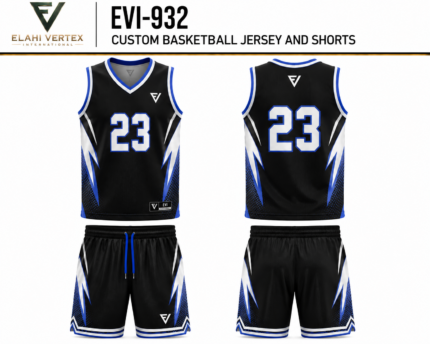
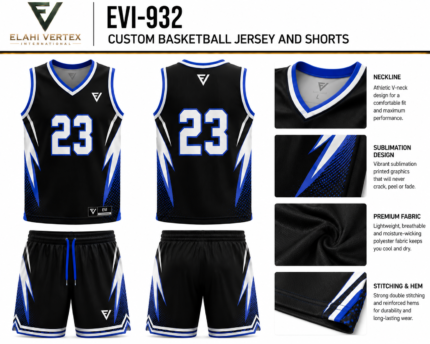
A Custom Basketball Jersey gives basketball clubs, academies, sportswear brands, wholesalers, distributors, and teamwear businesses greater control over their team identity and product specifications. Elahi Vertex International provides OEM, ODM, and private-label basketball jersey manufacturing according to confirmed buyer requirements.
Rather than limiting buyers to standard ready-made designs, each project can be developed around approved artwork, colors, logos, player details, sizing, branding, labels, and packaging requirements.
For buyers serving the USA, UK, and European markets, Elahi Vertex International supports sampling and bulk manufacturing for team orders, branded collections, wholesale programs, and repeat sourcing requirements.
Custom Basketball Jersey Manufacturing
Every Custom Basketball Jersey project begins with understanding what the buyer actually requires.
Basketball clubs may need individually numbered jerseys for their players. A sportswear brand may require an entirely original collection carrying its own identity. A teamwear supplier may need manufacturing support for several customer designs.
These requirements should not be treated as identical.
Elahi Vertex International develops production according to confirmed project specifications rather than applying unsupported assumptions to every order.
Buyers can submit existing artwork, reference designs, logos, color requirements, size information, player rosters, or product concepts for evaluation.
Custom Basketball Jersey Design Options
The visual identity of basketball teamwear can significantly influence how a club or brand presents itself.
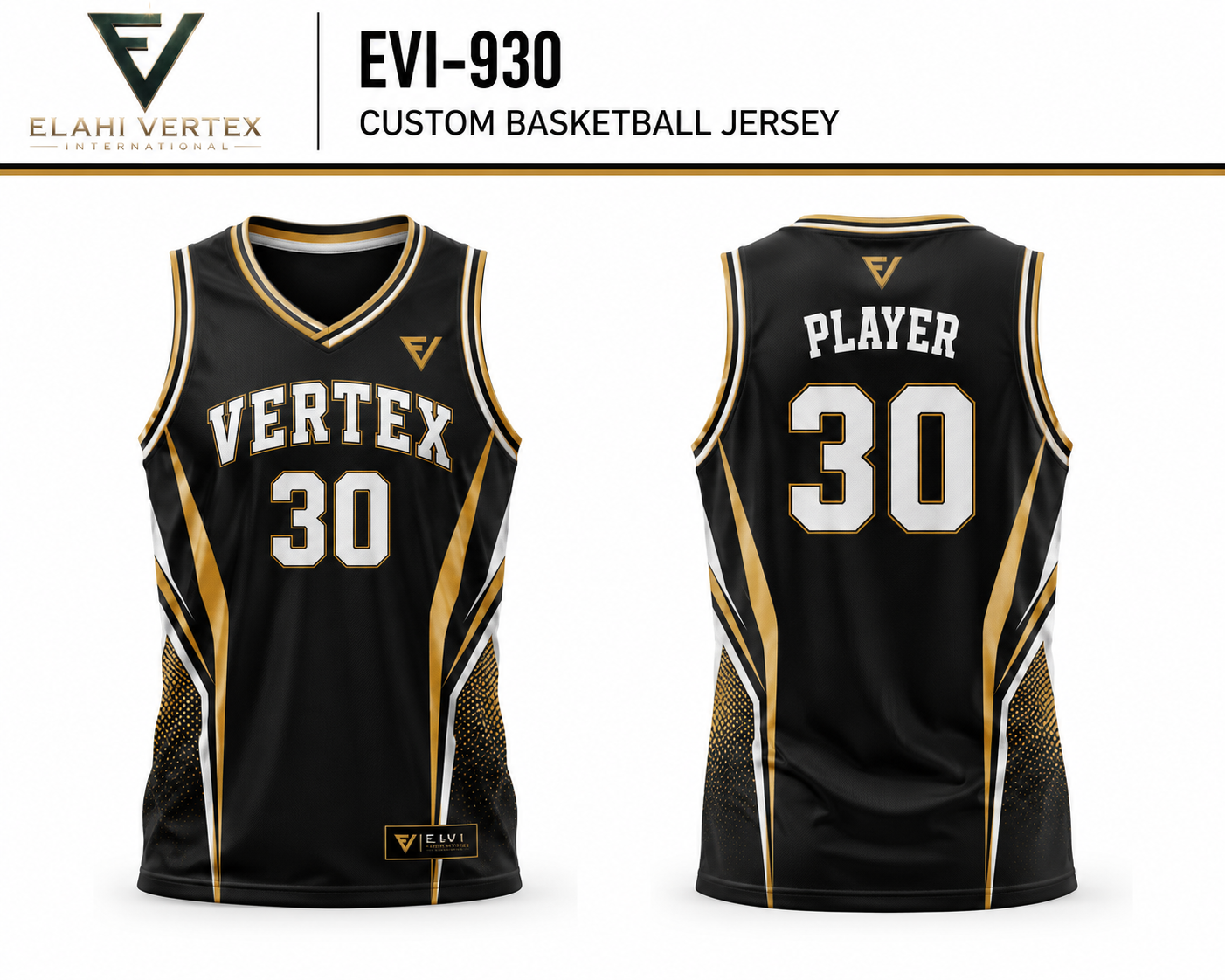
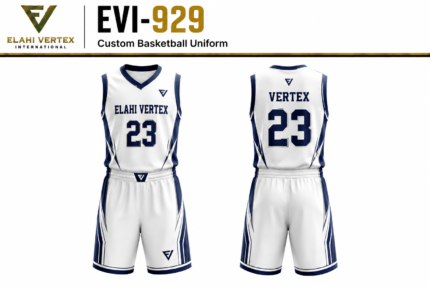
Buyers may prefer traditional designs with straightforward color blocking or contemporary artwork using more distinctive graphics.
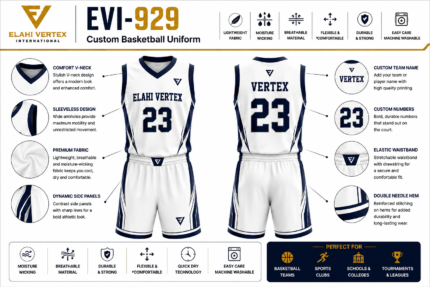
Customization can include:
- Team colors
- Custom artwork
- Front graphics
- Back graphics
- Side-panel designs
- Club logos
- Brand logos
- Player names
- Player numbers
- Typography
- Branding placement
- Size requirements
- Labels
- Packaging
Final options depend on the specifications confirmed for the individual order.
A Custom Basketball Jersey should ultimately represent the buyer’s intended identity rather than looking like a generic product with a logo added afterward.
Custom Basketball Jersey for Clubs
Basketball clubs frequently need jerseys that create a consistent appearance across the complete squad.
This requires more than choosing a design.
Player names must be accurate.
Numbers need to match the roster.
Sizes must be allocated correctly.
Team colors and logos should follow the approved artwork.
Clubs should therefore prepare their player information carefully before confirming production.
An organized roster showing the player’s name, number, and required size provides a clearer production reference and reduces avoidable errors.
Custom Basketball Jersey for Academies
Basketball academies can have multiple teams, age groups, or training programs.
This creates additional ordering complexity.
One academy may require the same visual identity across several squads while another may want separate designs for different teams.
The buyer should clearly identify which sizes, names, numbers, and designs belong to each group.
Accurate documentation becomes increasingly important as the number of individual garments increases.
Custom Basketball Jersey for Sportswear Brands
Private-label sportswear companies often require more control than individual team buyers.
A brand may want to establish its own basketball collection, develop proprietary artwork, apply its own labels, and create a consistent presentation across future products.
Elahi Vertex International supports B2B product development according to confirmed requirements.
This allows brands to focus on their market positioning while maintaining control over the product specifications they approve.
OEM Custom Basketball Jersey Manufacturing
OEM manufacturing is suitable for buyers that already have a clear product direction.
The buyer may provide artwork, measurements, branding instructions, reference samples, technical information, or other confirmed specifications.
Elahi Vertex International can review this information and develop the jersey according to the agreed requirements.
Clear documentation is particularly valuable for OEM projects because it reduces ambiguity between the buyer’s expectations and manufacturing instructions.
ODM Basketball Jersey Development
Some buyers do not begin with complete production specifications.
They may have a logo, reference image, initial sketch, color direction, or general product concept.
ODM development can help transform that direction into a clearer manufacturing project.
Relevant specifications can be discussed before sampling.
No unconfirmed fabric, construction, printing, sizing, or other technical specification should be assumed.
This protects both buyer and manufacturer from building production around information that was never actually approved.
Private Label Basketball Jersey Manufacturing
Private labeling is particularly useful for sportswear brands, teamwear businesses, wholesalers, distributors, and retailers.
The finished product can be developed around the buyer’s own brand identity.
Depending on confirmed requirements, private-label development may involve:
- Brand logo placement
- Custom labels
- Size labels
- Care labels
- Brand-specific artwork
- Product identification
- Custom packaging
- Other approved branding details
Exact requirements should be discussed before production.
Player Names and Numbers
Individual player customization is an important part of many basketball jersey orders.
Names and numbers should be provided in a structured format.
Before approving production, buyers should check spelling and numbering carefully.
One incorrect digit or misspelled name can result in an unusable personalized garment.
For larger orders, a spreadsheet or organized roster can provide a clearer reference than sending player information across multiple informal messages.
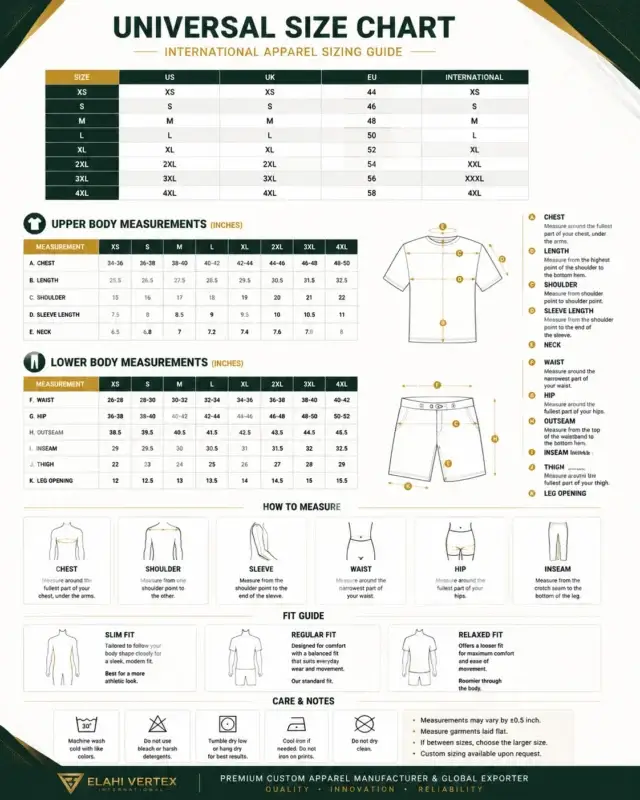
Basketball Jersey Sizing
Sizing should never be treated as an afterthought.
A Medium from one supplier does not necessarily have the same measurements as a Medium from another.
Buyers should review the relevant size information before confirming quantities.
Private-label brands may also have their own measurement requirements.
Where applicable, those specifications should be discussed during development.
For team orders, the final quantity breakdown should identify how many garments are required in each approved size.
Fabric Selection
Basketball involves continuous movement, running, jumping, changes in direction, and repeated upper-body motion.
Material selection should therefore be considered in relation to the intended application of the garment.
However, there is no responsible reason to invent an exact fabric composition, GSM, or performance specification before the buyer confirms it.
Material requirements should be discussed during product development.
Buyers can explain the intended market, desired feel, performance expectations, and other requirements so appropriate options can be evaluated.
Fit and Player Movement
Garment dimensions influence how basketball apparel feels during activity.
Arm openings, body width, jersey length, neckline construction, and overall silhouette can all contribute to the intended fit.
Different buyers may prefer different fits.
A basketball club may have one preference while a private-label brand serving a particular market may have another.
The approved measurement specification should therefore guide production.
Custom Artwork and Team Identity
Strong teamwear should have a recognizable visual direction.
Artwork can be developed around team colors, branding, typography, graphics, and other approved elements.
The objective should be visual consistency rather than adding unrelated decorative details.
For commercial buyers, distinctive artwork can also help differentiate their products from generic basketball apparel already available in the market.
Logo Placement
Logos can carry significant value for both clubs and private-label brands.
Their positioning should therefore be confirmed before production.
The buyer should identify which logos are required and where they should appear.
If multiple marks are involved, such as a team crest, brand identity, or approved sponsor artwork, their positions should be included in the design reference.
Sample Development
Sampling can reduce uncertainty before bulk manufacturing.
A sample gives the buyer an opportunity to evaluate relevant aspects of the product against the approved specifications.
These may include:
- Overall appearance
- Artwork
- Color direction
- Logo placement
- Names
- Numbers
- Measurements
- Branding
- Construction
- Finishing
- Labels
- Packaging where applicable
Any required changes should be communicated before final approval.
Custom Basketball Jersey Sample Approval
A sample should be reviewed carefully rather than approved simply because it looks acceptable at first glance.
Compare it against the agreed specifications.
Check the artwork.
Review the measurements.
Inspect the logo position.
Verify names and numbers.
Review branding and labels where applicable.
Confirm any other project-specific requirements.
Corrections are considerably easier to manage before bulk production than after an entire order has been manufactured.
Bulk Custom Basketball Jersey Manufacturing
After relevant specifications and approvals are completed, the order can move toward bulk manufacturing.
Consistency becomes particularly important during this stage.
The finished garments should follow the approved project information so that a complete team or commercial collection maintains a coordinated appearance.
Elahi Vertex International supports bulk manufacturing for clubs, brands, wholesalers, distributors, and teamwear suppliers.
Quality Verification
Quality should be evaluated against agreed requirements rather than broad marketing claims.
Buyers should examine relevant manufacturing details such as measurements, construction, finishing, artwork positioning, player information, branding consistency, labels, and packaging where applicable.
An approved sample and documented specifications provide useful references for this process.
Consistency Across Team Orders
Teamwear orders often contain many individually customized garments.
Despite differences in player names, numbers, and sizes, the collection should maintain a consistent overall identity.
Artwork scale, logo placement, typography, color direction, and general presentation should follow the approved design.
This consistency helps the team appear organized and professionally represented.
Repeat Basketball Jersey Orders
Repeat ordering is important for clubs and commercial teamwear businesses.
New players may join a team.
Existing players may need replacements.
A successful private-label design may require another production run.
Maintaining organized artwork, previous specifications, measurement information, and branding instructions can make future orders easier to manage.
Relevant requirements should still be reconfirmed before each production cycle.
Custom Basketball Jersey for USA Buyers
The USA has a substantial basketball ecosystem covering schools, clubs, academies, recreational programs, leagues, training organizations, and sportswear businesses.
Businesses competing in this market may benefit from offering distinctive teamwear rather than relying exclusively on generic products.
Elahi Vertex International provides an overseas manufacturing option for B2B buyers seeking customized basketball apparel developed around their own requirements.
Custom Basketball Jersey for UK Buyers
UK basketball clubs, academies, schools, teamwear suppliers, and sports businesses may require customized products for different customer groups.
International sourcing should be evaluated using more than unit price alone.
Product specifications, sampling, communication, consistency, branding, and manufacturing requirements all contribute to the commercial result.
Custom Basketball Jersey for European Buyers
European markets contain different sizing expectations, teamwear preferences, and commercial requirements.
One specification should not automatically be assumed suitable for every country or customer.
Buyers should define their target market and provide their preferred requirements during product development.
Manufacturing can then follow confirmed specifications.
9 Powerful Checks Before Ordering a Custom Basketball Jersey
1. Confirm Your Design
Finalize the intended visual direction before production.
Constant design changes can slow development and create confusion.
2. Provide High-Quality Logo Files
Supply clear artwork wherever possible.
Low-quality references can make accurate design preparation more difficult.
3. Confirm Team Colors
Ensure the intended color direction is communicated during development and reviewed during approval.
4. Prepare Player Names
Check every name for spelling errors before submitting the roster.
5. Verify Player Numbers
Confirm that every number belongs to the correct player.
6. Review the Size Chart
Do not assume familiar size labels automatically match the required measurements.
7. Confirm Branding Requirements
Private-label buyers should define labels, logos, packaging, and other relevant brand elements early.
8. Review the Sample
Evaluate the relevant product details carefully before approval.
9. Confirm the Final Production Specification
Bulk manufacturing should begin from confirmed information rather than unresolved assumptions.
Common Basketball Jersey Sourcing Mistakes
Choosing a supplier exclusively because it offers the lowest quotation can be risky.
Price is important, but it is only one part of sourcing.
Buyers should also evaluate whether the supplier understands their specifications, communicates effectively, provides appropriate sampling support, and can manufacture according to approved requirements.
Another common mistake is sending incomplete information.
A vague message asking for a price without quantity, design, sizes, branding requirements, or destination information provides limited context for an accurate manufacturing discussion.
How to Prepare Your RFQ
A clear RFQ makes communication easier for both parties.
When contacting Elahi Vertex International, provide available information about:
- Product design
- Estimated quantity
- Required sizes
- Team colors
- Logo files
- Player names
- Player numbers
- Branding requirements
- Labels
- Packaging
- Destination market
- Sample requirements
If a specification has not been decided, identify it as requiring confirmation instead of guessing.
Useful Basketball and International Trade Resources
Organizations purchasing basketball apparel for regulated competitions should verify requirements applicable to their league or governing body. Buyers can review basketball information through the official FIBA website.
Businesses importing products into the United States can consult official information from U.S. Customs and Border Protection regarding applicable import procedures.
International buyers can also review trade information through the World Trade Organization. These external resources should complement, rather than replace, professional advice relating to a buyer’s specific import requirements.
Explore Elahi Vertex International Teamwear Manufacturing
Buyers sourcing basketball apparel can explore additional custom sportswear and teamwear manufacturing capabilities through Elahi Vertex International.
This internal link can help buyers evaluating multiple products for clubs, brands, wholesale collections, or private-label programs discover related manufacturing capabilities.
Why Choose Elahi Vertex International?
Elahi Vertex International operates as a B2B manufacturer, exporter, OEM, ODM, and private-label manufacturing partner.
The manufacturing process is developed around confirmed buyer requirements instead of forcing every customer into one standard product configuration.
This approach is relevant for basketball clubs, academies, sportswear companies, wholesalers, distributors, retailers, and teamwear businesses seeking greater control over their product.
Basketball apparel purchasing becomes more complex when a buyer manages several teams, age groups, or customer accounts simultaneously. An organized procurement process can reduce mistakes by separating quantities, sizes, player information, artwork, and branding instructions for each order. This is especially valuable for teamwear suppliers and distributors handling multiple clubs because information from one project should never be confused with another.
Product development should begin with a clear understanding of the intended customer. A custom basketball jersey developed for an academy may have different sizing, branding, or visual requirements from a product intended for a private-label sportswear collection. Identifying the target market before sampling allows the buyer to make more informed decisions about design direction, measurements, presentation, and other confirmed specifications.
Artwork preparation deserves careful attention because the quality of the information supplied to the manufacturer can influence the development process. Buyers should provide clear logos, readable typography, accurate player information, and understandable visual references. Where exact positioning matters, artwork should indicate where individual design elements are intended to appear rather than leaving important placement decisions unresolved.
Team colors are another important part of basketball apparel development. Digital screens can display colors differently, and visual references alone may not always communicate an exact expectation. Buyers requiring specific color matching should discuss how colors will be referenced and approved for their individual project. This is particularly important when the finished garments need to coordinate with existing club branding or other products within a collection.
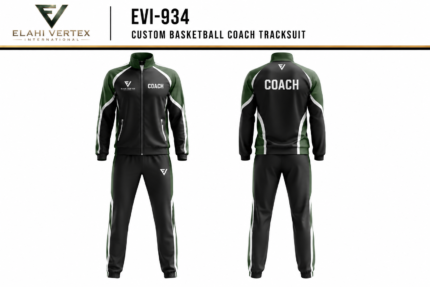
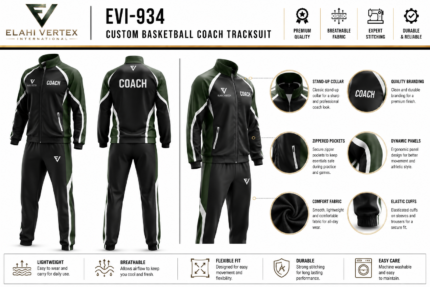
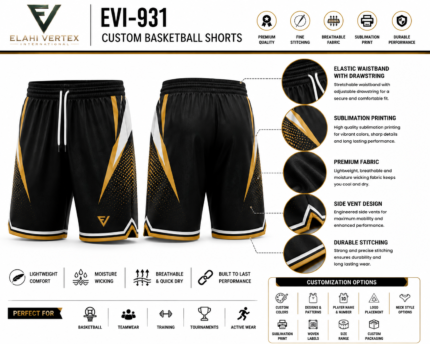
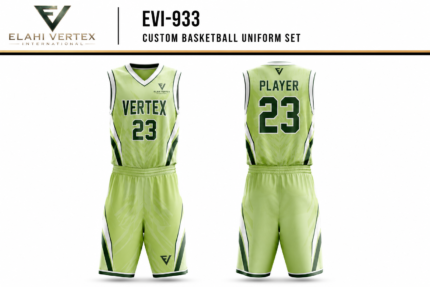
A custom basketball jersey can also form part of a broader teamwear program. Sportswear businesses may eventually require coordinated shorts, warm-up apparel, training garments, tracksuits, hoodies, or other products alongside their game jerseys. Planning a consistent visual direction across multiple product categories can strengthen brand recognition and make a collection appear more professionally developed.
Wholesale buyers should consider how their products will be presented after manufacturing. Labels, individual packaging, size identification, product organization, and other presentation requirements can affect downstream operations. Defining these details before bulk production helps prevent last-minute requests and gives the manufacturer clearer instructions when preparing an order for shipment.
For international B2B sourcing, communication should remain documented throughout important approval stages. Buyers can maintain records of confirmed artwork, measurement information, quantities, branding instructions, and approved changes. This creates a clearer reference if questions arise later and can also make repeat production easier when the same design is required for another season or customer order.
A custom basketball jersey project should also account for future replenishment where relevant. Basketball clubs may add players during a season, while teamwear businesses may receive replacement or repeat requests from customers. Keeping organized design files, previous player information, measurement specifications, and production references can simplify future discussions, although all requirements should still be reconfirmed before a new production cycle begins.
Businesses evaluating overseas manufacturing should compare suppliers using more than a single quoted unit price. Sampling support, communication quality, customization capability, specification management, production consistency, and the ability to understand B2B requirements can all influence the commercial outcome. A slightly lower purchase price provides little advantage if the finished product does not meet the buyer’s approved requirements.
Elahi Vertex International works with clubs, academies, sportswear brands, wholesalers, distributors, retailers, and teamwear businesses seeking customized manufacturing solutions. Buyers interested in a custom basketball jersey can submit their artwork, estimated quantities, required sizes, branding requirements, player information, packaging instructions, and destination market. Providing complete information allows the project to be reviewed more accurately and creates a stronger foundation for sampling, approval, bulk production, and potential repeat orders.
Custom Basketball Jersey FAQ
Can I create my own Custom Basketball Jersey design?
Yes. Buyers can submit their artwork, logo, colors, reference design, or product concept. Final manufacturing specifications are confirmed according to the individual project.
Do you offer private-label Custom Basketball Jersey manufacturing?
Yes. Private-label manufacturing can be discussed for sportswear brands, wholesalers, distributors, retailers, and teamwear suppliers. Branding, labels, packaging, and other requirements should be confirmed before production.
Can I order a Custom Basketball Jersey sample before bulk production?
Sampling can be discussed before bulk manufacturing. It provides an opportunity to evaluate relevant product details and request necessary corrections before final approval.
Request a Custom Basketball Jersey Quote
If you are sourcing a Custom Basketball Jersey for a club, academy, sportswear brand, teamwear company, wholesaler, distributor, retailer, or private-label collection, send Elahi Vertex International your project requirements.
Provide your design, logo, estimated quantity, required sizes, player names and numbers, branding requirements, packaging requirements, and destination market.
Clear information helps Elahi Vertex International evaluate the project accurately and develop the product according to confirmed requirements.
Send your requirements today to discuss sampling, customization, private-label development, and bulk basketball jersey manufacturing.




Reviews
There are no reviews yet.