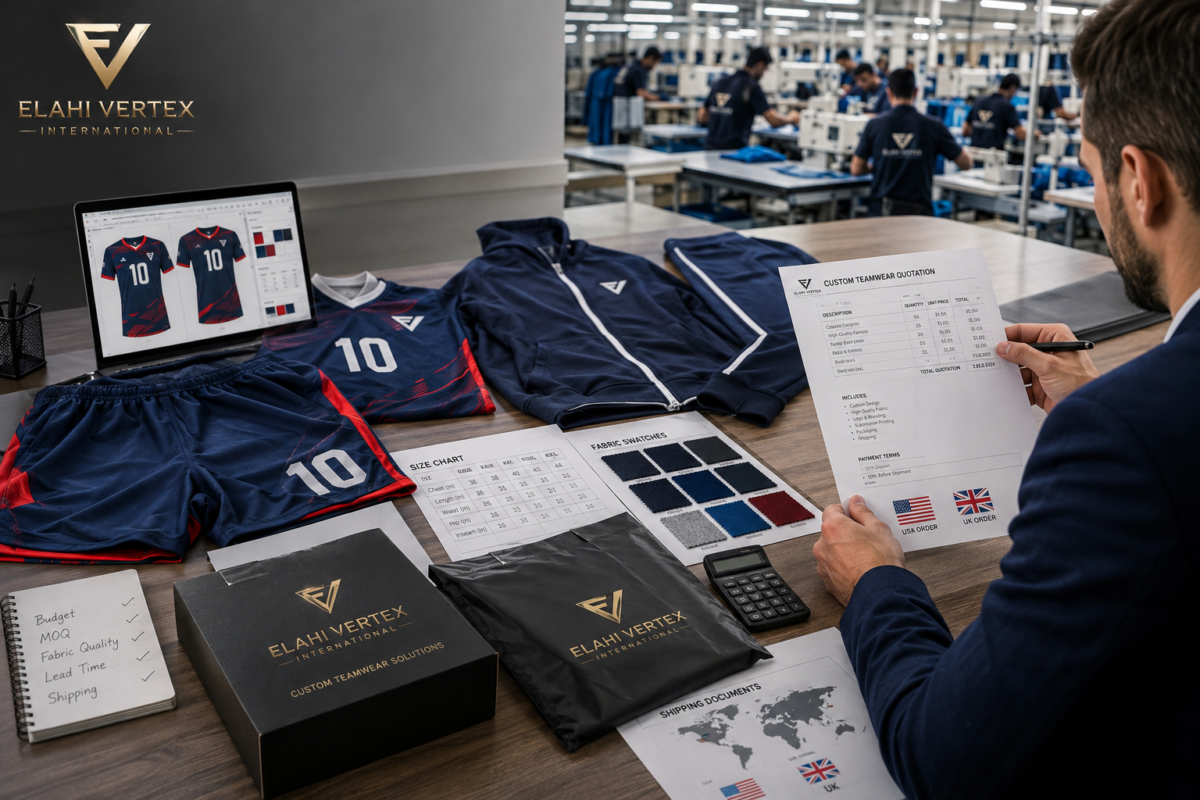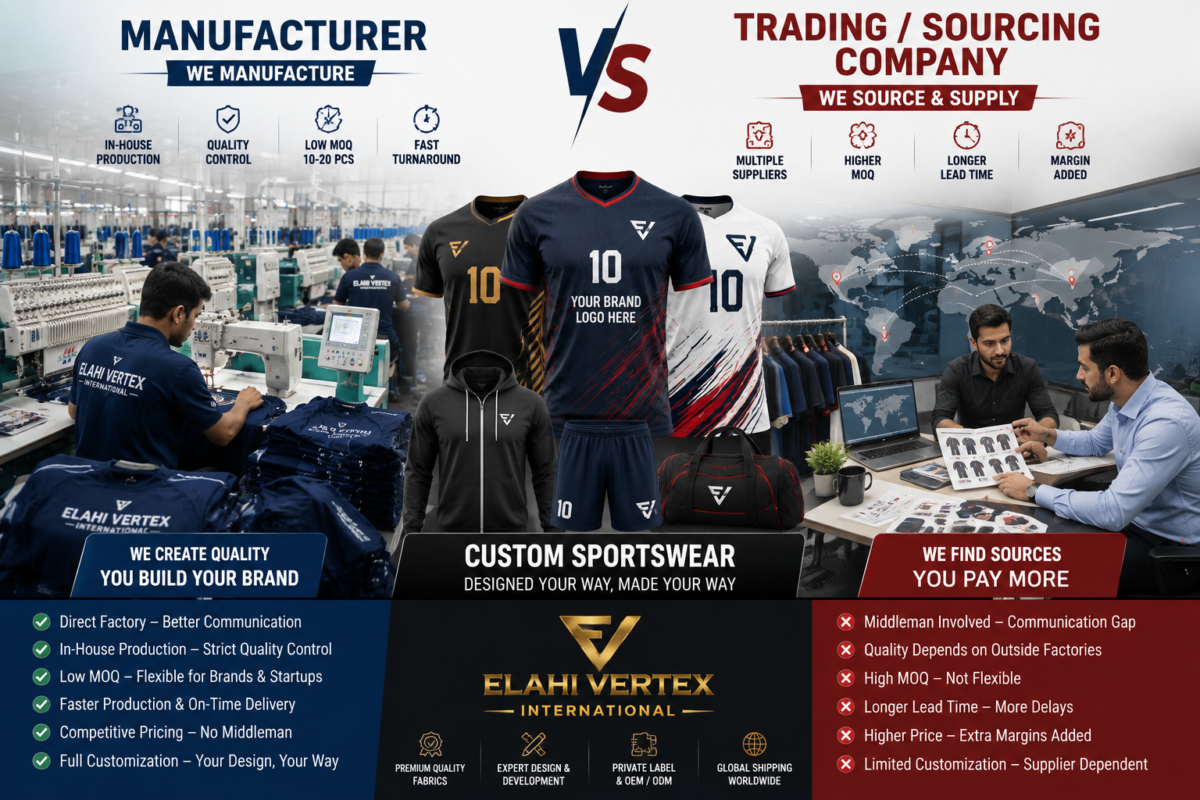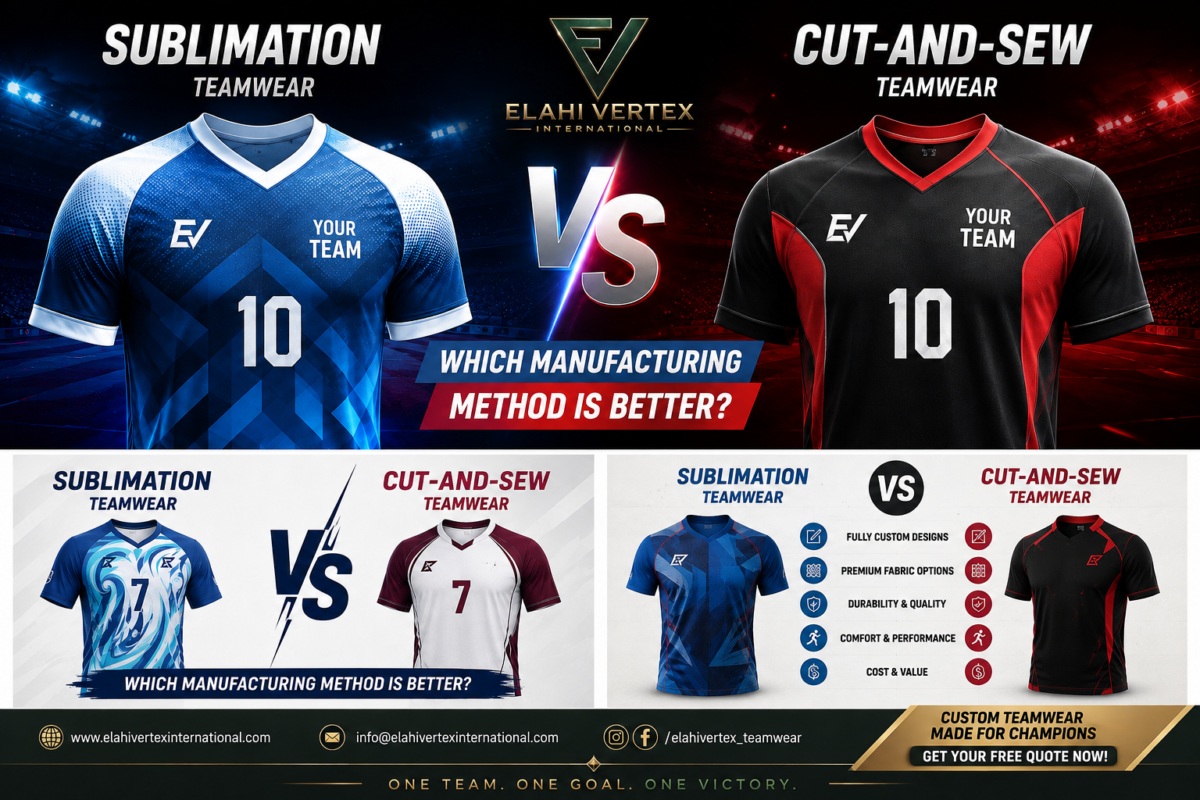

Choosing a baseball uniform manufacturer is not simply a matter of finding a supplier that can put your team logo on a jersey. For baseball clubs, schools, academies, travel teams, leagues, sportswear brands, wholesalers, and distributors in the United States, the real purchasing decision involves fabric performance, garment construction, decoration methods, sizing consistency, color accuracy, production control, replacement availability, communication, and dependable delivery.
A baseball uniform may look excellent in a digital mockup and still become a procurement problem once the bulk order arrives. Pants may fit inconsistently. Numbers may be difficult to read. Team colors may shift from the approved artwork. Sublimated graphics may not match the original Pantone reference. Button placement can interfere with front graphics. Stitching can fail in high-stress areas. Replacement uniforms ordered later may look different from the original batch.
That is why experienced buyers evaluate the complete manufacturing system rather than comparing quotations only.
For organizations sourcing internationally, working with an experienced baseball uniform manufacturer can provide significant customization flexibility. Teams can specify jersey construction, pants style, fabrics, colors, player names, roster numbers, logos, embroidery, sublimation, tackle twill, labels, packaging, and other details rather than buying a generic stock uniform.
However, customization increases the number of variables that must be controlled.
This guide explains the nine purchasing checks USA baseball buyers should complete before approving a bulk order. It also explains fabric selection, sublimation, tackle twill, baseball pants construction, sizing, sampling, quality control, OEM manufacturing, private-label production, pricing, ordering, and supplier evaluation.
Elahi Vertex International works as a custom sportswear and teamwear manufacturing partner for teams, clubs, academies, sports organizations, brands, wholesalers, retailers, distributors, and other B2B buyers seeking made-to-order apparel.
The objective should not be to find the cheapest supplier.
The objective should be to find a baseball uniform manufacturer capable of reproducing the approved specification consistently across the entire roster and across future reorders.
Quick Answer: What Does a Baseball Uniform Manufacturer Do?
A baseball uniform manufacturer develops and produces custom baseball jerseys, baseball pants, and related team apparel according to buyer specifications.
Depending on the project, manufacturing can include:
- Custom jersey development
- Full-button baseball jerseys
- Two-button jerseys
- Pullover baseball jerseys
- Sleeveless baseball jerseys
- Custom baseball pants
- Full-length pants
- Knicker-style pants
- Custom team colors
- Player names and numbers
- Team logos
- Sponsor graphics
- Dye sublimation
- Embroidery
- Tackle twill
- Woven labels
- Printed labels
- Size labels
- Private-label branding
- Custom packaging
- Sampling
- Bulk manufacturing
- Quality control
- Export packaging
- International shipping
The precise specification should always be approved before production.
A strong baseball uniform manufacturer should therefore function as a production partner rather than simply a printing company.
Who Should Use This Baseball Uniform Manufacturing Guide?
This guide is particularly relevant for:
USA baseball teams, travel baseball organizations, school programs, colleges, academies, tournament organizations, recreational leagues, sportswear brands, private-label businesses, sporting-goods distributors, uniform resellers, wholesalers, retailers, promotional companies, sourcing agents, and other organizations purchasing custom baseball apparel.
Different buyers will prioritize different factors.
A travel baseball organization may care strongly about replacement-player ordering.
A sportswear brand may prioritize private labeling and consistent specifications.
A distributor may need dependable wholesale pricing and repeat production.
A school may prioritize sizing accuracy and compliance with its competition rules.
A tournament organization may need a large roster delivered by a fixed date.
The right baseball uniform manufacturer should understand the buyer’s specific use case before production begins.
Why Choosing the Right Baseball Uniform Manufacturer Matters
The uniform represents more than team appearance.
Players run, slide, throw, stretch, kneel, sprint, and repeatedly wash their uniforms during a season. The garments therefore face mechanical stress that ordinary casual apparel does not.
Baseball pants are particularly demanding because knees, seat areas, seams, belt loops, zippers, waistbands, and hems may face repeated stress.
Jerseys have different requirements.
They need enough mobility for throwing and batting, suitable ventilation, readable numbers, secure button construction when applicable, and durable decoration.
A professional baseball uniform manufacturer should consider how the finished product will actually be used.
The manufacturing decision also affects purchasing risk.
Imagine ordering uniforms for 100 players.
If the supplier saves the buyer several dollars per uniform but 15 pieces arrive with wrong numbers, eight pants have sizing inconsistencies, and four jerseys have logo-placement errors, the apparent saving disappears quickly.
The buyer now has to manage complaints, corrections, replacement production, additional shipping, and possibly missed games.
Price matters.
Total procurement risk matters more.
9 Powerful Checks Before Choosing a Baseball Uniform Manufacturer
1. Verify Fabric Before Approving Bulk Production
Fabric is one of the most important variables in custom baseball apparel.
Do not approve a bulk order based only on descriptions such as:
“premium polyester”
“dry fit”
“sports fabric”
“performance material”
Those descriptions are too broad for serious procurement.
Two polyester fabrics can look similar online while behaving very differently in weight, stretch, airflow, opacity, drape, abrasion resistance, printing performance, and wash durability.
Your baseball uniform manufacturer should be able to discuss the actual fabric being proposed.
Fabric Weight
Fabric weight is commonly expressed in GSM, meaning grams per square meter.
GSM alone does not determine quality.
A heavier material is not automatically better.
A lighter material is not automatically more advanced.
Instead, GSM should match the garment and intended use.
A jersey may require a lighter and more breathable construction than baseball pants. Pants may require greater structure, opacity, and abrasion resistance.
Ask for fabric confirmation during development.
For larger or recurring programs, buyers should consider approving an actual fabric swatch before bulk production.
Polyester Performance Fabrics
Polyester is widely used in baseball uniforms because it can support moisture management, durability, sublimation printing, and repeated athletic use.
Possible jersey constructions may include polyester interlock, mesh structures, bird-eye fabrics, micro-mesh, or other performance knits.
The correct option depends on the desired look, weight, breathability, printing technique, and budget.
Mesh Panels
Some teams prefer breathable mesh structures or strategically ventilated areas.
Do not assume that “mesh” automatically means better performance.
Very open mesh can reduce opacity or alter print appearance.
Your baseball uniform manufacturer should balance ventilation with durability, coverage, decoration requirements, and the visual standard expected by the buyer.
Stretch
Mechanical stretch or polyester-spandex blends may be considered for areas where greater flexibility is required.
Again, the specification should be confirmed rather than assumed.
Stretch percentage, recovery, fabric weight, and construction can influence fit significantly.
Fabric Questions to Ask
Before bulk ordering, request confirmation of:
fabric composition, approximate GSM, stretch characteristics where relevant, color method, sublimation compatibility, breathability characteristics, recommended use, and whether the production fabric will match the approved sample.
A responsible baseball uniform manufacturer should be willing to clarify these points.
2. Evaluate Jersey Construction, Not Just the Graphic Design
One of the most common buyer mistakes is spending most of the approval process reviewing artwork while paying little attention to garment construction.
The digital design is only one component.
The jersey itself matters just as much.
Full-Button Baseball Jerseys
Full-button jerseys provide the traditional baseball appearance many teams prefer.
However, button placement must be considered during artwork development.
A team name, wordmark, logo, or graphic crossing the center front should be aligned properly around the placket.
A strong baseball uniform manufacturer should account for this during artwork preparation and sewing.
Two-Button Jerseys
Two-button jerseys can provide a more modern athletic appearance while maintaining part of the traditional baseball aesthetic.
They may also simplify certain front graphics compared with a full-button construction.
Pullover Jerseys
Pullover baseball jerseys can work well for teams seeking a streamlined design or training-oriented uniform.
Construction should still be evaluated for collar shape, mobility, fit, sleeve structure, and decoration.
Sleeveless Jerseys
Sleeveless baseball jerseys require careful armhole construction.
If the armhole is too restrictive, players may feel limited.
If it is too loose, the garment may look poorly fitted.
Sleeve Design
Sleeve length should be considered alongside player mobility and league requirements.
Schools and competitive organizations should confirm their current governing-body rules before approving the final design.
For USA high-school competition, the National Federation of State High School Associations publishes baseball resources and uniform guidance. Buyers should verify the current version of the applicable rules rather than relying on a manufacturer to determine eligibility.
External resource:
Collar Construction
Collar style affects both appearance and comfort.
Options can vary depending on the jersey design and manufacturing approach.
The buyer should approve the actual collar construction on a sample or clear technical reference.
Hem and Body Length
Baseball jerseys may be designed to be tucked or worn according to a team’s desired style.
Body length therefore matters.
A baseball uniform manufacturer should know whether the buyer expects a traditional baseball fit, relaxed fit, athletic fit, youth fit, or another customized measurement specification.
3. Inspect Baseball Pants Construction Carefully
Baseball pants deserve their own procurement review.
They experience different stresses than jerseys.
Sliding, kneeling, running, repeated washing, belt tension, and field contact place significant pressure on the garment.
A buyer evaluating a baseball uniform manufacturer should therefore review pants construction separately rather than treating them as a simple matching bottom.
Full-Length Baseball Pants
Full-length pants remain a common choice for many teams.
Important variables include:
waist construction, inseam, leg width, hem style, fabric weight, opacity, reinforcement, belt loops, pockets if required, zipper or closure construction, and overall fit.
Knicker-Style Baseball Pants
Knicker-style pants create a more traditional baseball appearance and expose team socks.
Length and hem construction need to be consistent across the roster.
Reinforced Knees
If reinforced knees are required, specify them.
Do not assume reinforcement is included simply because a product is described as a baseball pant.
The construction can affect both durability and appearance.
Seat Reinforcement
Depending on the product and intended level of play, buyers may discuss reinforcement in other high-stress areas as well.
Belt Loops
Belt loops should be positioned consistently and sewn securely.
This sounds minor until a team receives a bulk order where belt loops are irregular or weak.
Small construction failures create disproportionate dissatisfaction because players interact with these details every time they dress.
Waistband Construction
A waistband must provide the required structure without becoming excessively restrictive.
The buyer should approve fit through physical sampling whenever possible.
Opacity
Light-colored baseball pants can expose weaknesses in fabric selection.
White pants in particular require appropriate fabric construction and weight.
A good baseball uniform manufacturer should consider opacity rather than simply using the same fabric specification for every color.
4. Choose the Right Decoration Method: Sublimation, Tackle Twill, Embroidery, or Printing
Decoration changes the uniform’s appearance, weight, price, feel, production workflow, and long-term performance.
The best technique depends on the design.
Dye-Sublimated Baseball Uniforms
Dye sublimation is widely used for modern team uniforms because detailed artwork can be transferred into suitable polyester fabrics.
This allows extensive graphic customization without adding large layers of vinyl or ink on top of the fabric.
Teams can incorporate:
team colors, gradients, geometric graphics, camouflage-inspired patterns, pinstripes, logos, names, roster numbers, sponsor marks, sleeve graphics, side-panel artwork, and other visual elements.
A baseball uniform manufacturer offering sublimation should control artwork, print preparation, transfer, cutting, and garment assembly carefully because inconsistency at any stage can affect the finished product.
Advantages of Sublimation
Sublimation can support highly customized graphics and roster personalization while maintaining a relatively smooth fabric surface.
Because the design becomes part of a polyester-compatible printing process rather than a thick decoration layer sitting on top, it avoids some peeling or cracking concerns associated with certain surface-applied graphics.
However, sublimation quality still varies.
Color management, print resolution, heat transfer settings, fabric selection, artwork preparation, and production consistency all matter.
Tackle Twill Baseball Jerseys
Tackle twill provides a classic dimensional baseball appearance.
Letters and numbers are created from material that is applied and stitched to the jersey.
This may be preferred by buyers seeking a traditional premium aesthetic.
However, tackle twill adds labor, material, weight, and additional quality-control requirements compared with fully sublimated graphics.
The baseball uniform manufacturer should confirm the requested construction before quotation.
Embroidery
Embroidery may be suitable for selected logos, badges, names, or branding elements depending on the garment.
Large embroidery areas can alter fabric behavior and add weight.
Decoration should therefore be planned as part of garment engineering rather than added randomly after manufacturing.
Heat-Transfer Decoration
Heat-transfer methods may also be used for specific applications.
The correct transfer material, pressure, temperature, fabric compatibility, and washing conditions matter.
Which Decoration Method Is Best?
There is no universal answer.
Choose sublimation when detailed integrated graphics and broad color freedom are priorities.
Consider tackle twill when a traditional dimensional baseball look is important.
Use embroidery where its texture and premium appearance make sense.
Combine techniques only when the design and budget justify the additional manufacturing complexity.
Your baseball uniform manufacturer should be able to explain the tradeoffs before sampling.
5. Confirm Sizing With an Actual Size Chart and Sample
Sizing is one of the highest-risk areas in team uniform procurement.
A team may contain youth and adult players, different body types, pitchers, catchers, and players who prefer different levels of ease.
Terms such as small, medium, large, youth large, adult large, athletic fit, and relaxed fit are not universal manufacturing standards.
Never assume that one supplier’s medium equals another supplier’s medium.
Request Garment Measurements
Ask the baseball uniform manufacturer for actual finished-garment measurements.
Depending on the product, useful measurements can include:
chest width, body length, sleeve length, shoulder width, waist, hip, inseam, outseam, thigh width, leg opening, and other relevant dimensions.
Understand Measurement Tolerance
Apparel production requires reasonable measurement tolerances.
The target should not be impossible zero-variance manufacturing.
The target should be a clearly defined specification with controlled tolerances.
Ask how the manufacturer handles measurement inspection during production.
Youth Versus Adult Sizing
Do not simply scale an adult garment down for youth players without considering proportions.
Youth sizing may require separate patterns.
Women’s and Girls’ Fits
If the program includes women’s or girls’ teams, determine whether the buyer requires a separate fit rather than simply smaller men’s or unisex sizes.
Fit Samples
For high-value or recurring programs, fit samples can reduce risk dramatically.
The cost of sampling is usually much smaller than the cost of replacing a large quantity of incorrectly sized uniforms.
A dependable baseball uniform manufacturer should understand that sample approval protects both buyer and supplier.
6. Test Color Accuracy Before the Full Order
Color problems are among the easiest manufacturing disputes to prevent and among the hardest to solve after production.
A buyer says “royal blue.”
The supplier uses its interpretation of royal blue.
The buyer expected a different shade.
Both parties believe they understood the specification.
This is not reliable procurement.
Use Recognized Color References
Where possible, provide Pantone references or another agreed color standard.
Screen images are not reliable color standards because brightness, display calibration, device type, and file format can alter appearance.
Sublimation Color
Sublimation color can also be influenced by the fabric, print profile, heat-transfer process, artwork settings, and production conditions.
Therefore, a digital mockup should not automatically be treated as proof of physical color.
For highly sensitive brand colors, request a physical color test or approved sample.
Reorders
Color consistency becomes especially important when replacement uniforms are ordered later.
Ask the baseball uniform manufacturer whether approved artwork files, color references, construction specifications, and roster data can be retained for reorders.
Even with good documentation, different production lots can exhibit variation.
The goal is to minimize avoidable variation through controlled specifications.
Team Identity
Teams invest heavily in visual identity.
If the helmet is navy, jersey appears purple-blue, socks are another navy, and pants trim uses yet another shade, the team may look inconsistent.
Proper color approval protects that identity.
7. Demand a Clear Sample Approval Process
A sample is not merely a sales demonstration.
It is a risk-control instrument.
The buyer should use sampling to verify the manufacturing specification before authorizing the full order.
What Should Be Checked on the Sample?
Review:
fabric, GSM where confirmed, garment dimensions, fit, collar, placket, buttons, sleeve construction, stitching, seams, pants construction, waistband, belt loops, knee reinforcement where required, colors, logo position, number size, player-name position, decoration quality, label placement, finishing, and overall workmanship.
Wear Testing
If practical, let an actual player test the uniform.
Have the player perform baseball-specific movement:
batting motion, throwing motion, crouching, sprinting, kneeling, stretching, and sliding simulation where safe.
The garment may look perfect while standing and become uncomfortable during athletic movement.
Wash Testing
Consider washing the sample according to the intended care instructions.
Inspect:
color behavior, shrinkage, seam behavior, decoration, shape retention, fabric appearance, labels, and other relevant areas.
Written Sample Approval
Once the sample is approved, document what has been approved.
A professional baseball uniform manufacturer should use the approved specification as the production reference.
Do not continue changing small details after approval unless the changes are documented.
Uncontrolled last-minute changes are a common source of production mistakes.
8. Evaluate Quality Control Before You Pay for Bulk Production
Quality control should not begin after the goods are packed.
It should exist throughout production.
The buyer should ask how the baseball uniform manufacturer controls quality from raw material to final packing.
Pre-Production Control
Before production, confirm:
approved artwork, sizes, roster, names, numbers, quantities, colors, fabric, decoration, labels, packaging, shipping marks, and other specifications.
During-Production Inspection
In-process checks can identify problems before the entire batch is completed.
Possible inspection points include:
printing, cutting, number placement, embroidery, sewing, pants construction, size measurements, and finishing.
Final Inspection
Before packing, the finished goods should be reviewed against the approved order.
Important checks may include:
correct quantity, correct roster details, correct player numbers, logo placement, visible workmanship, stitching, measurements, stains, obvious fabric defects, packaging, and labeling.
Names and Numbers
Roster customization introduces significant administrative risk.
For example:
JACKSON — 18
JACKSON — 81
A single transposed digit can create a unusable jersey.
The buyer should supply roster information in a clean structured file.
The baseball uniform manufacturer should then verify customization against that information during production.
Random Inspection Is Not Enough for Personalized Data
A supplier may inspect garment construction statistically, but personalized names and numbers should receive more direct attention because each unit may be unique.
Photo or Video Confirmation
For international orders, buyers can ask whether final production photos or other agreed confirmation can be provided before shipment.
This does not replace a proper inspection system, but it can improve visibility.
9. Check Communication, Reorder Capability, and Delivery Planning
A technically capable factory can still be a poor supplier if communication is unreliable.
Baseball procurement often involves fixed dates.
Opening day does not move because a uniform shipment is late.
A tournament will not wait because the roster file was misunderstood.
Therefore, operational communication is part of product quality.
Response Quality
Evaluate whether the supplier answers questions clearly.
Fast replies are useful, but accurate replies matter more.
A supplier replying “yes, yes, no problem” to every request without clarifying technical details can create greater risk than a manufacturer that asks precise questions.
Specification Confirmation
A strong baseball uniform manufacturer should clarify ambiguous instructions rather than inventing missing information.
If the buyer has not confirmed fabric, GSM, sizing, decoration, or fit, the supplier should request confirmation.
Production Timeline
Ask for a realistic production schedule.
Separate the stages:
design development, sample production, sample shipping, sample approval, bulk production, final inspection, packing, export dispatch, international transit, customs clearance, and final delivery.
Do not treat “production time” as “door-to-door delivery time.”
Those are different.
Reorder System
Reordering is especially important for baseball.
Players join teams.
Players change numbers.
Uniforms are damaged.
Extra coaches may need apparel.
Organizations expand.
Ask whether your baseball uniform manufacturer can reproduce smaller replacement quantities and how such orders are handled.
Delivery Buffer
Never plan an important uniform order to arrive one day before the first game.
International shipping, customs processing, weather disruptions, address problems, and other events can create delays outside the manufacturer’s direct control.
Build contingency time into the purchasing schedule.
Baseball Uniform Manufacturer Comparison: What Buyers Should Evaluate
When comparing suppliers, avoid making the decision on unit price alone.
A useful evaluation framework includes manufacturing capability, sample quality, fabric confirmation, sizing control, decoration capability, roster accuracy, communication, quality-control process, reorder support, packaging, export experience, realistic lead time, and total landed cost.
A quotation that appears inexpensive may become expensive when hidden variables appear later.
For example, determine whether the quotation includes:
player names, player numbers, team logos, sleeve graphics, tackle twill, embroidery, private labels, packaging, freight, duties, samples, artwork, and replacement production.
Ask every baseball uniform manufacturer to quote against the same specification.
Otherwise, you are comparing different products.
Custom Baseball Jerseys: Major Styles Buyers Can Source
Full-Button Custom Baseball Jerseys
Full-button jerseys provide a traditional professional baseball appearance.
They can be produced with:
sublimated graphics, tackle twill lettering, embroidered details, pinstripes, contrast piping, sleeve branding, team names, player numbers, and roster personalization.
The front placket creates additional manufacturing complexity because artwork needs to align properly.
Discuss this with the baseball uniform manufacturer during design development.
Two-Button Baseball Jerseys
Two-button jerseys combine traditional and performance aesthetics.
They are popular for teams that want a cleaner athletic silhouette without the full front placket.
Pullover Baseball Jerseys
Pullover styles can work for game uniforms, training apparel, academies, and other programs.
Buyers should still approve collar construction, fabric, sizing, and decoration.
Sleeveless Baseball Jerseys
Sleeveless jerseys can provide a distinctive appearance and increased arm exposure.
Armholes need careful pattern development to avoid pulling during throwing and batting motions.
Baseball Practice Jerseys
Training apparel may use lighter construction or simplified branding depending on budget and intended use.
A baseball uniform manufacturer can potentially coordinate game and training apparel so the program maintains a consistent identity.
Custom Baseball Pants Manufacturing
A professional baseball package is not complete without correctly developed pants.
Baseball pants should be evaluated for both appearance and function.
Full-Length Pants
Full-length baseball pants provide coverage to the ankle and work with numerous uniform styles.
Buyers can discuss details such as:
solid colors, side piping, belt loops, waistband type, pockets, reinforcement, leg profile, and hem construction.
Knicker Pants
Knicker pants end below the knee and are commonly paired with visible baseball socks.
The exact length should be controlled because poor grading can produce inconsistent proportions across sizes.
Piped Baseball Pants
Contrast piping can connect the pants visually with the jersey.
Placement, width, color, and sewing consistency should be approved.
White Baseball Pants
White baseball pants require special attention to opacity, fabric, seams, and care expectations.
The baseball uniform manufacturer should not choose the fabric specification without considering the final color.
Reinforcement
High-wear areas can be reinforced depending on buyer specification.
Ask your supplier to explain the available construction rather than assuming every baseball pant uses the same reinforcement system.
Sublimated Baseball Uniform Manufacturer: What Buyers Should Know
A sublimated baseball uniform manufacturer can offer extensive design flexibility for teams wanting modern graphics.
Sublimation works particularly well when a jersey contains:
multiple colors, gradients, repeated patterns, side graphics, sleeve artwork, large logos, numbers, names, or complex designs.
However, there is a significant difference between being able to print a design and being able to manufacture a professional baseball uniform.
The supplier must still control:
pattern development, garment fit, fabric, print registration, color, cutting, sewing, pressing, finishing, roster data, and quality inspection.
A beautiful print does not compensate for incorrect sizing.
Likewise, perfect stitching does not compensate for incorrect player numbers.
The entire workflow matters.
Sublimation vs Tackle Twill Baseball Jerseys
Choosing between sublimation and tackle twill should be based on your design objective rather than assuming one method is universally superior.
Sublimation Works Well When:
The design uses complex graphics.
Multiple colors are required.
Large graphic coverage is desired.
The buyer wants integrated names and numbers.
The team needs relatively lightweight decoration.
Tackle Twill Works Well When:
A traditional baseball look is desired.
Dimensional letters and numbers are part of the design concept.
The buyer wants a premium stitched aesthetic.
The additional cost and labor are acceptable.
Hybrid Designs
Some projects can combine sublimation with stitched or embroidered details.
This can produce a premium result but increases manufacturing complexity.
Ask the baseball uniform manufacturer to sample the exact construction before committing to a large order.
OEM Baseball Uniform Manufacturing
OEM manufacturing is relevant when the buyer already owns or controls the product design and wants a factory to manufacture according to its specifications.
For example, a sportswear brand may provide:
technical drawings, size charts, grading requirements, fabric specifications, Pantone colors, logo files, artwork, labels, packaging, and quality requirements.
The baseball uniform manufacturer then develops and produces the product according to the approved specification.
OEM production works best when specifications are clear.
The more important the detail, the less it should be left to assumption.
Elahi Vertex International provides custom and OEM apparel manufacturing services for international buyers.
Learn more:
ODM Baseball Uniform Development
ODM can be useful for buyers who have a product concept but require greater support during development.
For example, a buyer may know that it wants a premium full-button baseball uniform but may still need assistance converting that idea into a production-ready product.
Development can involve:
fabric selection, pattern decisions, sizing, decoration method, graphics, labels, and sampling.
The precise service scope should be confirmed with the baseball uniform manufacturer before the project begins.
Private Label Baseball Uniform Manufacturing
Private-label baseball manufacturing is particularly relevant for brands, distributors, resellers, uniform companies, e-commerce businesses, and other buyers selling apparel under their own identity.
The manufacturer produces the garment while the buyer’s branding is used according to the agreed specification.
Private-label details may include:
woven neck labels, printed neck labels, size labels, care labels, hangtags, branded polybags, custom packaging, barcode labels, SKU stickers, and other buyer-specific elements.
Do not assume every branding element is included in the quoted price.
Ask the baseball uniform manufacturer to itemize private-label requirements.
Elahi Vertex International supports custom manufacturing for private-label apparel programs.
Company information:
Wholesale Baseball Uniform Manufacturer for USA Buyers
Wholesale buyers often require different capabilities from a single team.
A distributor may need:
repeatable sizing, multiple designs, private labeling, structured SKU management, scalable quantities, consistent packaging, shipment documentation, replacement units, and reliable repeat manufacturing.
If you are purchasing for resale, evaluate the supplier as part of your own supply chain.
Your customers will hold your business responsible for quality regardless of where the uniforms were manufactured.
That means your baseball uniform manufacturer must support the reputation of your own company.
Do not select the supplier exclusively because the opening order price is attractive.
Evaluate whether the supplier could still support you after 10, 20, or 50 future orders.
Baseball Uniform Manufacturer for Travel Teams
Travel baseball organizations often face complicated roster requirements.
Multiple teams may exist under the same organization.
For example:
10U
11U
12U
13U
14U
15U
16U
17U
Each team may have different roster numbers and size distributions while sharing the same visual identity.
This makes data management extremely important.
Provide the baseball uniform manufacturer with a structured roster rather than sending names and sizes through scattered messages.
A clean order sheet can include:
team, player name, jersey number, jersey size, pants size, quantity, additional garments, and special notes.
Centralized information reduces errors.
Baseball Uniform Manufacturer for Schools and Colleges
Schools should evaluate governing-body requirements before approving their artwork.
For high-school baseball in the United States, the NFHS publishes baseball rules and resources.
Official NFHS baseball resources:
NFHS uniform guidance has historically addressed topics such as uniform consistency, jersey numbers, manufacturer marks, and other design restrictions.
Because rules may change, teams should confirm the current applicable rule with their school, athletic association, league, or governing body before manufacturing.
The baseball uniform manufacturer can produce the approved specification, but rule compliance ultimately needs to be verified by the buyer and relevant competition authority.
College organizations should similarly confirm the current rules that apply to their competition.
Custom Baseball Uniforms for Academies
Academies often need more than game jerseys.
A complete apparel program may include:
game jerseys, baseball pants, training shirts, shorts, warm-up tops, hoodies, jackets, tracksuits, coaches’ apparel, and other coordinated teamwear.
Working with one custom sportswear manufacturer can help simplify color matching and branding across the collection.
Elahi Vertex International manufactures multiple categories of teamwear and custom sportswear.
Explore manufacturing capabilities:
Fabric Selection for Baseball Jerseys
Fabric selection should begin with performance requirements.
Consider:
climate, season, player age, garment style, decoration, durability, weight preference, breathability, and budget.
Polyester Interlock
Interlock can provide a smooth surface and structured athletic appearance.
Different interlock fabrics vary significantly, so request a specific sample.
Mesh Polyester
Mesh constructions can improve airflow but need appropriate opacity and durability.
Bird-Eye Performance Fabric
Bird-eye-type textures are commonly used across performance sportswear.
The exact structure and weight should be physically verified.
Polyester-Spandex
Stretch blends can increase flexibility in certain applications.
They may be useful when the design requires additional stretch but should not automatically be selected for every jersey.
A capable baseball uniform manufacturer should recommend fabrics based on the garment rather than offering one generic fabric for every product.
Fabric Selection for Baseball Pants
Pants generally require greater structure than jerseys.
Important considerations include:
abrasion resistance, opacity, stretch where required, dimensional stability, comfort, recovery, and compatibility with reinforcement.
The pants should not simply use jersey fabric because it is convenient for the supplier.
Different garment functions justify different materials.
Ask the baseball uniform manufacturer to identify the material intended specifically for the pants.
How GSM Affects Baseball Uniforms
GSM means grams per square meter and indicates fabric mass per area.
It is useful.
It is not a quality score.
Two fabrics of the same GSM can behave differently because of:
fiber type, yarn, knit structure, finishing, stretch, density, and other characteristics.
Therefore, do not buy uniforms by GSM alone.
Instead, use GSM as one part of a broader specification.
A knowledgeable baseball uniform manufacturer should be able to explain why a particular fabric was proposed for the jersey or pants.
Moisture Management and Breathability
Baseball games can involve long periods in hot weather.
Players therefore value breathable uniforms.
However, claims such as “moisture wicking” should not be treated as proof of performance without understanding the actual fabric.
Buyers should evaluate the physical sample.
Wear testing can reveal more than a product description.
Check how the garment feels:
during throwing, during batting, while running, after sweating, and after washing.
The sample should answer the question.
Marketing words should not.
Baseball Jersey Number Requirements
Number visibility is an important part of baseball uniform design.
For teams governed by specific competition rules, confirm the required dimensions, contrast, location, and other restrictions before approving the artwork.
NFHS has published baseball uniform guidance indicating requirements related to back numbers and contrasting color.
Because rules can be updated, use the official source rather than copying an old rule summary from a random website.
Official reference:
Your baseball uniform manufacturer should manufacture the approved design accurately, but the buyer should establish the applicable rule before production.
Player Names on Baseball Jerseys
Player-name personalization creates both aesthetic and production questions.
Consider:
font, letter height, arch, straight layout, spacing, placement, maximum name length, and whether every player receives a name.
Long surnames may require adjusted spacing or letter dimensions.
Determine this during artwork development rather than discovering it after production.
For school teams, verify whether player names are permitted under the applicable competition rules.
Team Logos and Branding
Logos should be supplied in high-quality artwork where possible.
Vector artwork is especially useful for manufacturing because it can be scaled without becoming pixelated.
Common professional formats may include:
AI, EPS, SVG, and vector PDF.
High-resolution PNG files may also work for certain applications.
Avoid sending the manufacturer a tiny screenshot taken from social media and expecting perfect output.
The quality of input artwork influences the manufacturing result.
Elahi Vertex International’s custom inquiry system allows buyers to provide artwork and specification information.
Request a quote:
Pantone Color Matching
Brand colors should be documented clearly.
Pantone references can provide a more useful target than general descriptions such as:
red
bright red
dark red
royal
navy
gold
yellow
Instead of asking the baseball uniform manufacturer for “royal blue,” provide the specific reference when accurate color is important.
For very sensitive colors, approve a physical test.
Pinstripe Baseball Uniform Manufacturing
Pinstripes are one of baseball’s most recognizable visual traditions.
They can be incorporated through different manufacturing approaches depending on the intended product.
Sublimation allows the pinstripe graphic to be integrated into the print artwork.
Traditional fabric or applied constructions may require different processes.
Spacing and alignment are important.
Front-button jerseys create particular alignment challenges where the two front panels meet.
A physical sample helps determine whether the final appearance meets expectations.
Baseball Jersey Piping
Contrast piping can produce a traditional baseball aesthetic around:
collars, plackets, sleeves, side seams, pants, and other selected areas.
Piping must be applied consistently.
Uneven piping becomes highly visible because it creates a continuous visual line.
If piping is essential to the uniform design, identify its width, color, and placement in the specification.
Button Quality in Baseball Jerseys
Buttons seem like a minor component.
They are not.
Full-button jerseys rely on secure button attachment and consistent spacing.
Check the sample for:
button size, color, spacing, buttonhole quality, placket stability, and alignment.
Repeated opening, closing, washing, and athletic movement can expose weak construction.
A quality-focused baseball uniform manufacturer should treat components as part of the complete product rather than focusing only on the fabric and printing.
Stitching and Seam Construction
Strong athletic apparel depends on appropriate seam construction.
Different seams serve different functions.
The buyer does not necessarily need to dictate every stitch type unless working from a detailed tech pack, but the finished product should be inspected carefully.
Look for:
loose threads, skipped stitches, seam puckering, uneven stitching, poorly secured stress points, asymmetry, damaged fabric, and inconsistent finishing.
One clean sample does not guarantee bulk consistency.
That is why production quality control matters.
Reinforced Baseball Pants
Sliding places significant stress on baseball pants.
Buyers who require reinforced knees or other reinforcements should specify them in writing.
Ask the baseball uniform manufacturer exactly how the reinforcement is constructed.
A visual mockup cannot demonstrate reinforcement quality.
The physical sample can.
Size Grading Across a Baseball Team
A good medium does not guarantee a good 3XL.
Grading determines how patterns change between sizes.
This matters when a roster includes broad size ranges.
Ideally, buyers should inspect more than one size when the program is large and fit consistency is especially important.
Youth-to-adult transitions deserve particular attention.
If your program regularly orders sizes from youth small through adult 4XL or 5XL, communicate that requirement early.
Custom Size Charts
Some clubs already have an established size specification.
Brands almost always should.
In that case, provide the baseball uniform manufacturer with the size chart before quotation and sampling.
A manufacturer cannot reliably price or develop a custom fit if the buyer reveals special sizing requirements after sampling has already begun.
Clear specifications save both parties time.
Tech Packs for Baseball Uniform Manufacturing
A tech pack can become the central production document for sophisticated buyers.
It can contain:
technical flats, colors, measurements, tolerances, fabric, trims, decoration, labels, artwork placement, construction notes, packaging requirements, and other specifications.
Not every team needs a complex professional fashion-industry tech pack.
However, the principle is valuable for everyone:
important details should be documented.
Do not run a $10,000 uniform order through a collection of informal chat messages if the information can be organized into a proper order specification.
Digital Mockup vs Physical Sample
A digital mockup communicates appearance.
A physical sample verifies manufacturing.
They are not interchangeable.
The digital mockup can help confirm:
graphic concept, colors approximately, logo placement, player-name layout, number placement, pattern design, and overall visual direction.
The physical sample can verify:
fabric, actual color, fit, measurement, stitching, decoration, buttons, waistband, reinforcement, print appearance, comfort, and finishing.
Use both.
Pre-Production Sample
For larger orders, buyers may request a pre-production sample representing the intended bulk specification.
Once approved, avoid casual changes.
If something must change, create a documented revised specification.
The baseball uniform manufacturer should know exactly which version is approved.
Version-control mistakes are surprisingly common in customized apparel.
Bulk Production Approval
Do not send a vague message such as:
“Looks good. Start.”
Instead, make sure the approved version contains the exact:
design, colors, quantities, sizes, roster, names, numbers, fabrics, decoration, labels, packaging, and other important details.
Formal approval creates clarity.
Quality-Control Checklist for Baseball Uniform Orders
A final baseball-uniform inspection should examine the complete order, not just a few attractive jerseys placed on top of the carton.
Important review areas include:
quantity, SKU, team assignment, jersey size, pants size, player name, player number, color, artwork, logo position, dimensions, decoration, fabric defects, stains, sewing, buttons, plackets, waistband, belt loops, pockets where applicable, reinforcement, labels, packaging, and carton identification.
Personalized details deserve particular attention.
Packaging for Wholesale Baseball Uniforms
Packaging requirements vary by buyer.
A single team may be comfortable with simple individual polybags.
A retail brand may require:
custom branded bags, hangtags, barcodes, SKU labels, size stickers, warning labels where required, carton marks, packing lists, and other retail preparation.
Tell the baseball uniform manufacturer about packaging before quotation.
Packaging added at the end can change both cost and timeline.
Shipping Baseball Uniforms to the USA
USA buyers sourcing internationally should consider the complete logistics chain.
Manufacturing completion is not the same as delivery.
After production, goods may move through:
factory packing, courier or freight pickup, export processing, international transportation, customs clearance, domestic delivery, and final receipt.
The appropriate shipping method depends on:
order size, weight, volume, deadline, budget, and buyer preferences.
Discuss logistics with the supplier before production.
Express Courier vs Freight
Smaller and time-sensitive uniform orders may be suitable for express courier services.
Larger orders may justify other freight solutions.
No shipping mode should be selected based solely on habit.
Compare:
cost, transit time, customs process, order value, shipment size, and deadline.
Your baseball uniform manufacturer can provide shipping information, but buyers should understand their own import obligations.
Import Duties and Landed Cost
The factory price is not necessarily the final cost.
Landed cost can include:
product cost, customization, labels, packaging, sample cost, international freight, insurance where applicable, customs charges, duties, brokerage, domestic delivery, and other expenses.
USA buyers should consult current official customs resources or a qualified customs professional when determining import treatment.
U.S. Customs and Border Protection:
Harmonized Tariff Schedule information is available through the United States International Trade Commission:
Do not rely on a random online estimate for a significant commercial import.
Baseball Uniform MOQ: What Buyers Should Understand
MOQ means minimum order quantity.
There is no universal MOQ across the baseball-uniform industry.
MOQ can depend on:
design, fabric, color, customization, decoration, size breakdown, private labels, manufacturing process, and supplier policy.
A low MOQ can be valuable.
However, an extremely low MOQ is not automatically a sign of a superior baseball uniform manufacturer.
The buyer should evaluate whether the quality, price, production method, and reorder system make commercial sense.
Sample Order vs Bulk Order
Sampling and bulk manufacturing serve different purposes.
A sample allows the buyer to evaluate the proposed product.
Bulk production scales the approved product.
The price per sample can therefore differ substantially from the bulk unit price because setup, artwork, pattern development, customization, labor, and shipping are spread across only one or a few garments.
Do not reject a supplier simply because the prototype costs more per piece than the bulk order.
Instead, evaluate whether the sample prevents a larger mistake.
Baseball Uniform Pricing
A serious quotation should reflect the actual specification.
Price can vary based on:
jersey style, fabric, GSM, pants construction, decoration, sublimation, tackle twill, embroidery, names, numbers, labels, packaging, quantity, sizes, and logistics.
Asking a manufacturer:
“How much is a baseball uniform?”
without providing specifications produces a weak comparison.
A more useful RFQ explains exactly what needs to be manufactured.
How to Request an Accurate Baseball Uniform Quote
Provide the supplier with enough information to quote the same product you actually plan to order.
Include:
product type, jersey style, pants style, quantity, size range, fabric preference, GSM if specified, artwork, team colors, player roster, decoration method, labels, packaging, destination, and required delivery date.
If a specification is undecided, say so.
A professional baseball uniform manufacturer should identify what still requires confirmation.
How Buyers Accidentally Create Production Errors
Many manufacturing disputes are not caused by a dishonest supplier.
They are caused by unclear information.
Common scenarios include:
a buyer sends one roster in email and an updated roster in WhatsApp;
the supplier uses the old version;
the buyer changes number 24 to 42 after approval;
the update is missed;
the buyer calls a color “navy” but never supplies a reference;
the physical result does not match expectations;
the buyer approves a jersey mockup but never approves the pants specification;
the manufacturer uses its standard pants construction.
These problems are preventable.
Centralize important information.
One Approved Order Sheet
For each bulk order, maintain one master order sheet.
Use a clear revision number.
For example:
BASEBALL-ORDER-V1
BASEBALL-ORDER-V2
BASEBALL-FINAL-V3
Then identify the final approved version explicitly.
This simple operational discipline can prevent expensive mistakes.
Why Cheapest Baseball Uniform Manufacturer Can Become the Most Expensive
The cheapest quotation often looks attractive during sourcing.
But evaluate total cost.
Suppose Supplier A saves $4 per set.
On 100 uniforms, the apparent saving is $400.
If Supplier A produces:
10 incorrect roster numbers,
five bad fits,
three defective pants,
and requires replacement express freight,
the buyer can easily lose more than the original $400 saving.
That does not mean high price guarantees quality.
It means price must be evaluated alongside risk.
The strongest baseball uniform manufacturer is the one that provides an appropriate combination of product quality, manufacturing control, communication, pricing, and reliability for your specific program.
Warning Signs When Evaluating a Baseball Uniform Manufacturer
Be cautious when a supplier:
cannot explain the fabric,
refuses to provide measurements,
changes prices repeatedly without explanation,
promises unrealistic timelines,
cannot distinguish production time from shipping time,
accepts every technical request without clarification,
uses copied product photos,
cannot show relevant manufacturing capability,
does not document revisions,
or pressures the buyer into bulk production before sample approval.
None of these signals automatically proves poor manufacturing.
But they justify deeper verification.
Questions to Ask a Baseball Uniform Manufacturer
Before placing a bulk order, ask direct questions.
What fabric will be used for the jersey?
What fabric will be used for the pants?
What is the approximate GSM?
What decoration method is included?
Are player names and numbers included?
Can I provide Pantone colors?
Can you manufacture from my size chart?
Can I approve a sample?
What is the measurement tolerance?
How will the roster be confirmed?
What quality checks occur before shipment?
Can private labels be added?
Can you produce replacement pieces later?
What is the production lead time after approval?
What shipping time should I plan for?
What information do you need for an accurate quotation?
The quality of the answers can tell you a great deal about the supplier.
USA Baseball Team Purchasing Timeline
Uniform procurement should work backward from the required delivery date.
The process can involve:
supplier evaluation, RFQ, quotation, artwork, mockup approval, fabric confirmation, sampling, sample shipping, fit testing, revisions, bulk approval, production, inspection, packing, export, international shipping, customs, and local delivery.
Each stage consumes time.
Starting early improves decision quality.
When buyers order late, they often sacrifice sampling, comparison, inspection, or shipping options.
Time pressure increases procurement risk.
Why Reorders Should Be Discussed Before the First Order
Many teams think about replacement uniforms only after a new player joins.
That is too late.
Ask the baseball uniform manufacturer before the original order:
Will the artwork be retained?
Will colors be documented?
Will my size specification be retained?
Can the same labels be reproduced?
Can individual replacements be ordered?
Is there a different MOQ for reorders?
Could the fabric become unavailable?
How will discontinued materials be handled?
A good reorder process can be more valuable than saving a small amount on the initial purchase.
Team Stores and Ongoing Uniform Programs
Some organizations require more than one bulk shipment.
They may operate ongoing uniform programs for:
players, coaches, staff, new members, tournaments, merchandise, and seasonal replacement.
In those situations, manufacturing consistency becomes more important than one-time price negotiation.
The baseball uniform manufacturer effectively becomes part of the organization’s supply chain.
Supplier selection should therefore reflect long-term operational needs.
Baseball Uniforms for Sportswear Brands
Sportswear brands have additional requirements.
The customer buying the uniform may never know the identity of the actual manufacturer.
The brand therefore carries all reputational risk.
Private-label buyers should pay particular attention to:
measurement consistency, labeling, packaging, repeatability, SKU control, artwork ownership, brand-color accuracy, communication, production documentation, and quality control.
Elahi Vertex International works with custom and private-label manufacturing projects.
Explore the portfolio:
Baseball Uniforms for Distributors
Distributors need products they can resell profitably.
That means the procurement equation includes more than factory cost.
You must consider:
sales price, landed cost, sampling, freight, import expenses, defects, replacements, payment fees, inventory, sales commissions, and customer service.
A low-cost baseball uniform manufacturer that generates frequent complaints may destroy distributor margins.
Operational reliability matters.
Baseball Uniforms for Uniform Resellers
Uniform dealers often need speed and flexibility.
Their own clients may submit rosters late or request replacements.
Therefore, resellers should evaluate whether the manufacturer has an organized process for:
artwork, roster management, replacement units, size charts, production records, and repeat orders.
The reseller needs a factory partner that helps protect its relationship with the end customer.
Baseball Uniforms for Tournament Teams
Tournament uniforms can have absolute deadlines.
Missing the event may make the entire order commercially useless.
Therefore, buyers should not rely on optimistic production estimates.
Build buffer time.
Confirm the final delivery date, not just production completion.
If the schedule is extremely tight, determine whether the order can realistically be completed before paying.
A credible baseball uniform manufacturer should sometimes say that a deadline cannot safely be met.
That is better than promising everything and delivering after the tournament.
Baseball Uniforms for Youth Teams
Youth programs require additional attention to:
sizing, comfort, mobility, labeling, roster accuracy, and replacement availability.
Children can grow significantly during a season or between ordering and delivery.
Consider whether sizing sessions or sample sets would reduce uncertainty.
Do not simply guess every child’s size from age.
Age is not a body measurement.
Baseball Uniform Size Sample Sets
Organizations placing recurring orders may benefit from maintaining a physical sizing set.
Players can try actual garments rather than selecting sizes based purely on a chart.
This can reduce returns and disputes substantially.
Ask your baseball uniform manufacturer whether representative size samples can be developed for your program.
Care Instructions
Correct care can materially affect uniform appearance.
The supplier should provide appropriate care guidance for the fabric and decoration.
Teams should distribute that information to players and parents.
General advice should never override the manufacturer’s approved care instructions because decoration methods can require different treatment.
For custom garments, avoid assuming every baseball uniform can be washed identically.
Sustainable Baseball Uniform Options
Some brands and organizations may request recycled polyester or other sustainability-oriented materials.
If sustainability claims are commercially important, ask for evidence rather than accepting generic marketing language.
Relevant topics can include:
fiber source, recycled content, certifications, traceability, packaging, factory practices, and durability.
A garment that fails quickly and must be replaced frequently is not automatically sustainable merely because it contains a recycled fiber.
Buyers should evaluate sustainability holistically.
Social Compliance and Supplier Due Diligence
Brands sourcing internationally may have supplier-compliance requirements.
Depending on company size and market, buyers may need to evaluate:
factory conditions, labor practices, documentation, product safety, chemical compliance, traceability, or third-party audit requirements.
Requirements vary.
Do not assume a factory meets your specific corporate compliance standard without verification.
Tell the baseball uniform manufacturer what documentation is required before placing the order.
Product Safety and Chemical Requirements
Importers and brands should identify legal and product-safety requirements applicable to their market.
Requirements can differ depending on product type, consumer age, materials, components, and destination.
For USA buyers, relevant official resources may include the U.S. Consumer Product Safety Commission:
Commercial buyers with specific compliance obligations should obtain appropriate professional guidance.
A supplier’s statement that a product is “export quality” is not a substitute for required testing or documentation.
Country-of-Origin Marking
USA importers should understand country-of-origin and textile labeling requirements applicable to the products they import.
The Federal Trade Commission publishes guidance for textile products.
Official FTC resource:
Requirements can depend on the product and transaction.
Private-label buyers should establish the correct label specification before bulk manufacturing.
Customs Classification
Commercial importers should ensure products are classified appropriately.
The U.S. International Trade Commission provides the Harmonized Tariff Schedule.
Official resource:
Do not ask the baseball uniform manufacturer to make final legal import determinations for your company.
The manufacturer can provide product information.
The importer remains responsible for understanding applicable import requirements.
Why Sialkot Matters in Sportswear Manufacturing
Sialkot, Pakistan has a long-established connection with sporting-goods and sportswear production.
The manufacturing ecosystem includes suppliers and capabilities associated with multiple sporting categories.
Elahi Vertex International operates from Sialkot and provides custom apparel manufacturing for international B2B buyers.
The location itself, however, should not be treated as proof of quality.
Two manufacturers in the same city can provide very different products and service.
Evaluate the actual factory, sample, specification, communication, and production process.
Why Elahi Vertex International for Custom Baseball Uniform Manufacturing?
Elahi Vertex International provides custom sportswear and teamwear manufacturing services for international buyers requiring made-to-order apparel.
The company works with teams, clubs, academies, sportswear businesses, wholesalers, retailers, distributors, and private-label buyers.
Rather than forcing buyers into one fixed product configuration, manufacturing can be developed around approved specifications.
Depending on the project, buyers can discuss:
fabric, GSM, colors, size range, artwork, team branding, player names, roster numbers, sublimation, embroidery, tackle twill, private labels, packaging, and related requirements.
Final technical details should be confirmed during the quotation and sample-development process.
Learn more about Elahi Vertex International:
Custom Sportswear Manufacturing Capability
Baseball programs sometimes require a wider collection rather than one uniform.
Elahi Vertex International’s manufacturing scope includes custom sportswear and teamwear categories that can support broader team apparel programs.
Company website:
Manufacturing information:
Portfolio:
Case studies:
Additional Teamwear Manufacturing
Organizations operating multiple sports can also source other customized teamwear categories.
For example, Elahi Vertex International currently publishes products and capabilities relating to soccer, American football, boxing teamwear, and other sportswear categories.
American football uniform:
Soccer uniform:
Boxing teamwear:
This can be relevant for schools, academies, clubs, distributors, and sportswear brands handling multiple sports.
How to Start a Baseball Uniform Project With Elahi Vertex International
A buyer can begin by preparing:
product type, quantity, jersey style, pants style, artwork, team colors, sizes, player roster, fabric preference, decoration preference, destination, target delivery date, and branding requirements.
If certain details are not confirmed, identify them as undecided.
That allows the manufacturing discussion to focus on real requirements rather than assumptions.
Custom inquiry:
Recommended Baseball Uniform RFQ Format
A useful RFQ might contain the following information:
Product: Custom baseball jersey and pants set
Buyer type: Travel baseball organization
Destination: United States
Quantity: 120 sets
Jersey: Full-button
Pants: Full-length
Fabric: Requires recommendation
Decoration: Sublimation
Colors: Pantone references attached
Sizes: Youth and adult
Personalization: Individual names and numbers
Branding: Team logo
Sample: Required before bulk production
Packaging: Individual polybag
Delivery deadline: Exact date
Artwork: Attached
Roster: Attached spreadsheet
Additional notes: Replacement-order capability required
This is far more useful than asking:
“Price for 100 baseball uniforms?”
A detailed RFQ allows the baseball uniform manufacturer to quote the correct product.
Baseball Uniform Manufacturer FAQ
What is a baseball uniform manufacturer?
A baseball uniform manufacturer is a company that develops and produces baseball jerseys, baseball pants, and related apparel for teams, schools, academies, brands, distributors, and other buyers. Custom manufacturing can include fabrics, colors, sizes, names, numbers, logos, sublimation, embroidery, tackle twill, private labels, and packaging.
Can baseball uniforms be fully customized?
Yes, custom baseball uniforms can be developed around team colors, artwork, logos, names, numbers, garment style, fabric, size range, decoration, and other specifications. Actual capabilities should be confirmed with the manufacturer before ordering.
What fabric is best for baseball jerseys?
There is no single fabric that is best for every program. Polyester performance fabrics are widely used, but weight, knit structure, breathability, durability, opacity, printing method, and climate should all be considered. Buyers should evaluate the physical fabric rather than choosing based only on a generic name.
What fabric should baseball pants use?
Baseball pants generally require stronger structure and opacity than lightweight jerseys. The correct specification depends on fit, reinforcement, stretch, color, intended competition level, and buyer requirements.
Is sublimation good for baseball uniforms?
Sublimation can be highly effective for polyester baseball uniforms requiring complex graphics, multiple colors, names, numbers, and large design coverage. Quality depends on artwork preparation, fabric, color management, printing, heat transfer, cutting, sewing, and inspection.
Is tackle twill better than sublimation?
Neither method is universally better. Tackle twill provides a traditional dimensional stitched appearance. Sublimation provides greater integrated graphic flexibility and typically adds less surface weight. The right option depends on the desired design, price, and construction.
Should I order a sample before bulk production?
For customized or significant-value orders, a physical sample is one of the most effective ways to reduce risk. It allows the buyer to check fabric, sizing, colors, decoration, construction, pants, labels, fit, and workmanship before authorizing bulk production.
How can teams reduce sizing problems?
Use a detailed finished-garment size chart, understand measurement tolerances, consider physical sizing samples, and avoid assuming that sizes are standardized between manufacturers.
How should player names and numbers be submitted?
Use one clean master roster, preferably in a structured spreadsheet. Avoid distributing conflicting roster revisions across email, messaging apps, screenshots, and handwritten notes.
Can a baseball uniform manufacturer produce private-label uniforms?
Many custom manufacturers can support private-label production, including buyer-specific labels, hangtags, packaging, and branding. Every requirement should be confirmed before quotation.
Can USA buyers source baseball uniforms internationally?
Yes. International sourcing is common in sportswear. Buyers should evaluate samples, quality control, logistics, customs, labeling, landed cost, and delivery buffer before ordering.
How early should baseball uniforms be ordered?
Order planning should begin well before the required game date because development may include artwork, sampling, revisions, production, inspection, international shipping, customs, and local delivery. A safety buffer is strongly recommended.
Can replacement jerseys be ordered later?
Potentially, but reorder policy varies by supplier. Buyers should confirm minimum quantities, artwork retention, fabric availability, color consistency, size specifications, and replacement-order processes before the original order.
Buyer Checklist Before Paying a Deposit
Before releasing payment for a bulk custom order, confirm that you understand and have documented:
- Product type
- Jersey construction
- Pants construction
- Fabric
- Fabric composition
- GSM where applicable
- Team colors
- Pantone references where applicable
- Decoration method
- Logo placement
- Player-name format
- Player-number format
- Roster
- Jersey sizes
- Pants sizes
- Measurement chart
- Measurement tolerance
- Labels
- Private branding
- Packaging
- Sample approval
- Quantity
- Production timeline
- Quality-control process
- Shipping method
- Shipping destination
- Reorder policy
- Final delivery requirement
If several of these details remain unknown, the order is probably not ready for bulk production.
Final Buying Advice
Choosing a baseball uniform manufacturer should be treated as a supply-chain decision rather than a design-shopping exercise.
The strongest supplier is not necessarily the company with the most attractive mockup.
It is not automatically the factory with the lowest price.
It is not automatically the supplier promising the fastest production.
The better manufacturing partner is the one that can take an approved specification and reproduce it consistently across jerseys, pants, roster personalization, sizes, colors, decoration, packaging, and reorders.
For USA buyers, the safest procurement sequence is straightforward:
define the specification, compare suppliers against the same requirements, verify fabric, confirm construction, approve sizing, control colors, test the sample, document the final order, inspect production, and leave enough time for international delivery.
These controls may look slower at the beginning.
In practice, they are often faster than solving avoidable mistakes after 100 customized uniforms have already been manufactured.
Request a Custom Baseball Uniform Quote
If your team, academy, sports organization, uniform business, distributor, retailer, or sportswear brand is preparing a custom baseball program, Elahi Vertex International can discuss your manufacturing requirements.
Send your:
design or reference image,
required products,
quantity,
size breakdown,
team colors,
logos,
player names and numbers,
fabric requirements,
branding requirements,
destination,
and target delivery date.
Elahi Vertex International
Custom Sportswear • Custom Teamwear • OEM • ODM • Private Label Manufacturing
Website:
https://elahivertexinternational.com/
Custom Inquiry / Request a Quote:
https://elahivertexinternational.com/contact-us/
Manufacturing:
https://elahivertexinternational.com/manufacturing/
Portfolio:
https://elahivertexinternational.com/portfolio-elahi-vertex-international/
Email:
info@elahivertexinternational.com
WhatsApp:
+92 309 1639614
Your Design. Our Production.
If you are searching for a baseball uniform manufacturer capable of developing custom teamwear according to your colors, artwork, sizing, roster, branding, and bulk-production requirements, send your specifications to Elahi Vertex International for manufacturing review and quotation.
- USA baseball teams should verify current competition and uniform requirements before approving custom designs. The National Federation of State High School Associations (NFHS) provides official baseball resources that can help schools and teams review current guidance: https://www.nfhs.org/sports/baseball/resources
- For specific baseball rules, including uniform-related requirements that may affect jersey numbers, colors, or design details, buyers should check the latest official NFHS Baseball Rules rather than relying on outdated summaries: https://www.nfhs.org/sports/baseball/rules
- USA importers purchasing from an international baseball uniform manufacturer should understand customs procedures and importer responsibilities. Official guidance is available from U.S. Customs and Border Protection (CBP): https://www.cbp.gov/
- Baseball uniform buyers calculating duties and import classification can review the official Harmonized Tariff Schedule of the United States through the U.S. International Trade Commission: https://hts.usitc.gov/
- Brands, distributors, and private-label buyers should review current textile labeling requirements before approving neck labels, care labels, or country-of-origin information. The Federal Trade Commission provides official textile and apparel guidance here: https://www.ftc.gov/business-guidance/industry/textiles-and-apparel
- Companies importing apparel for USA consumers should also understand applicable product-safety obligations. The U.S. Consumer Product Safety Commission provides official safety and compliance information for consumer products: https://www.cpsc.gov/
- Buyers interested in textile testing, material performance, or internationally recognized standards can review resources from ASTM International, which develops widely used standards across textiles and other industries: https://www.astm.org/
- Sportswear brands evaluating textile quality, colorfastness, durability, and performance testing can also explore standards and technical resources from the American Association of Textile Chemists and Colorists (AATCC): https://www.aatcc.org/
- Companies sourcing custom baseball uniforms internationally may benefit from reviewing global trade and import information through the International Trade Administration, which provides resources for businesses involved in international commerce: https://www.trade.gov/
- USA buyers seeking broader information about textile and apparel trade, sourcing, and industry data can review resources published by the Office of Textiles and Apparel (OTEXA) under the U.S. Department of Commerce: https://otexa.trade.gov/